China Built the Spectacle. Now It's Writing the Rules Against It.
When regulators start banning the features that made your cars famous, that's not a correction — that's a reckoning.
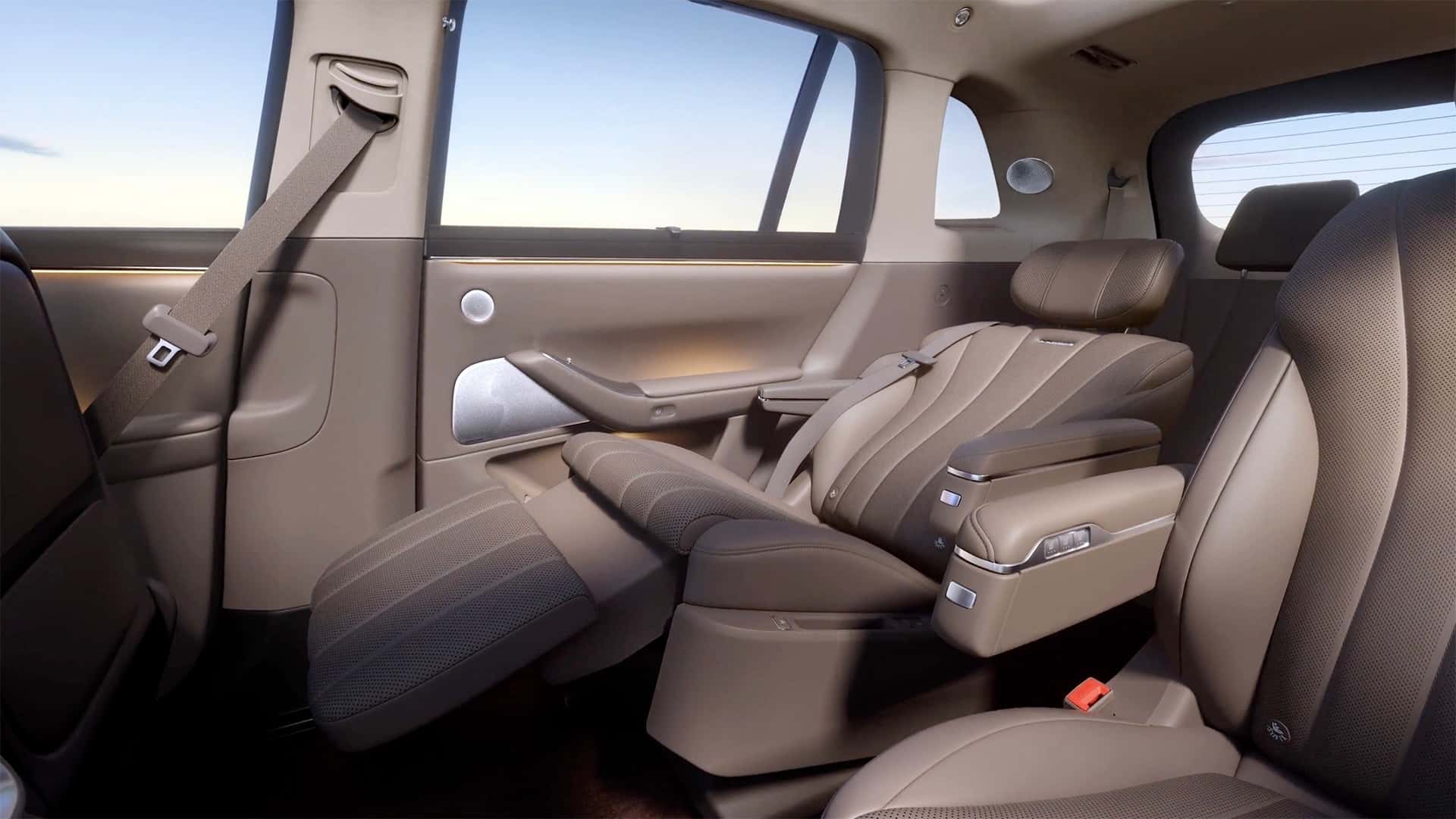
Photo · InsideEVs - Articles
For a few years, the Chinese EV market operated like a dare. Who could push further? Hidden door handles that disappear into bodywork. Screens so large they eat the dashboard whole. Yoke steering wheels borrowed from the aerospace aesthetic. Reclining rear seats that blur the line between car and living room. The features weren't subtle, and that was the point — conspicuous innovation as competitive advantage, each launch trying to out-future the last one.
Now Chinese regulators are scrutinizing exactly those features. A piece at InsideEVs lays it out plainly: the gimmicks the Chinese market helped popularize are being questioned on safety grounds. The same country that incubated this design language is starting to push back on it.
That's a meaningful turn. Not because the features were always bad ideas — some of them are genuinely compelling — but because it confirms something that anyone who's spent time thinking about cars already suspected: spectacle has a natural ceiling, and that ceiling is the moment something goes wrong.
When Theater Meets Physics
There's a version of this story where hidden door handles are just a styling choice, a small luxury of clean lines. Then there's the version where someone can't open a door after a crash, and the styling choice becomes a liability. The gap between those two versions is exactly where regulators live.
Same goes for the giant screens. In a showroom, a massive touchscreen commands attention — it signals modernity, it invites touch, it photographs well. On a highway at speed, it's a surface demanding your eyes move away from the road to find a control that used to be a physical button with muscle memory behind it. The drama of the interface is also the cost of it.
Yokes are perhaps the clearest case. They look extraordinary. They photograph like props from something that hasn't been invented yet. They also remove the hand positions that decades of driving convention have trained into people's reflexes. Whether that tradeoff is worth it depends heavily on whether your driving is mostly highway cruise or involves any situation where you need the wheel fast and instinctively.
The reclining seats are a different category of problem — less about the drive and more about what happens in a sudden stop when a passenger isn't positioned the way the safety systems were engineered to protect.
The Market That Got There First
What makes this moment interesting isn't that regulators are acting — regulation follows innovation, that's how it always works. What's interesting is which market is acting. China wasn't a latecomer to EV gimmickry; it was the laboratory. The brands that pushed these features hardest built their identities around them. Walking that back, even partially, is an admission that the race to out-feature competitors produced some features worth reconsidering.
There's also something clarifying about the timing. As Chinese EVs have become serious export candidates — cars that other markets are watching and, in some cases, beginning to receive — the regulatory conversation shifts from domestic quirk to international standard-setting. You can't export a philosophy of design if the safety questions haven't been answered at home first.
The writer at InsideEVs frames this as China turning against what it helped popularize. That framing is right, but it's also slightly incomplete. This isn't rejection — it's maturation. The features aren't disappearing because they were always wrong. They're being examined because the market finally got big enough, and serious enough, that theater alone isn't a sufficient defense.
Every industry that moves fast eventually has to decide which shortcuts were innovations and which were just convincing enough to get away with for a while.
Safety is where you find out which is which.
Keep reading cars.

800 Horsepower, One Ton of Doubt
Lamborghini built the most powerful SUV it's ever made. It's also slower than what it replaced.

£11,990 Draws a Line Under Every Excuse You Had Left
Dacia just made the cheapest new car in Britain electric — and that's not a footnote, it's a verdict.
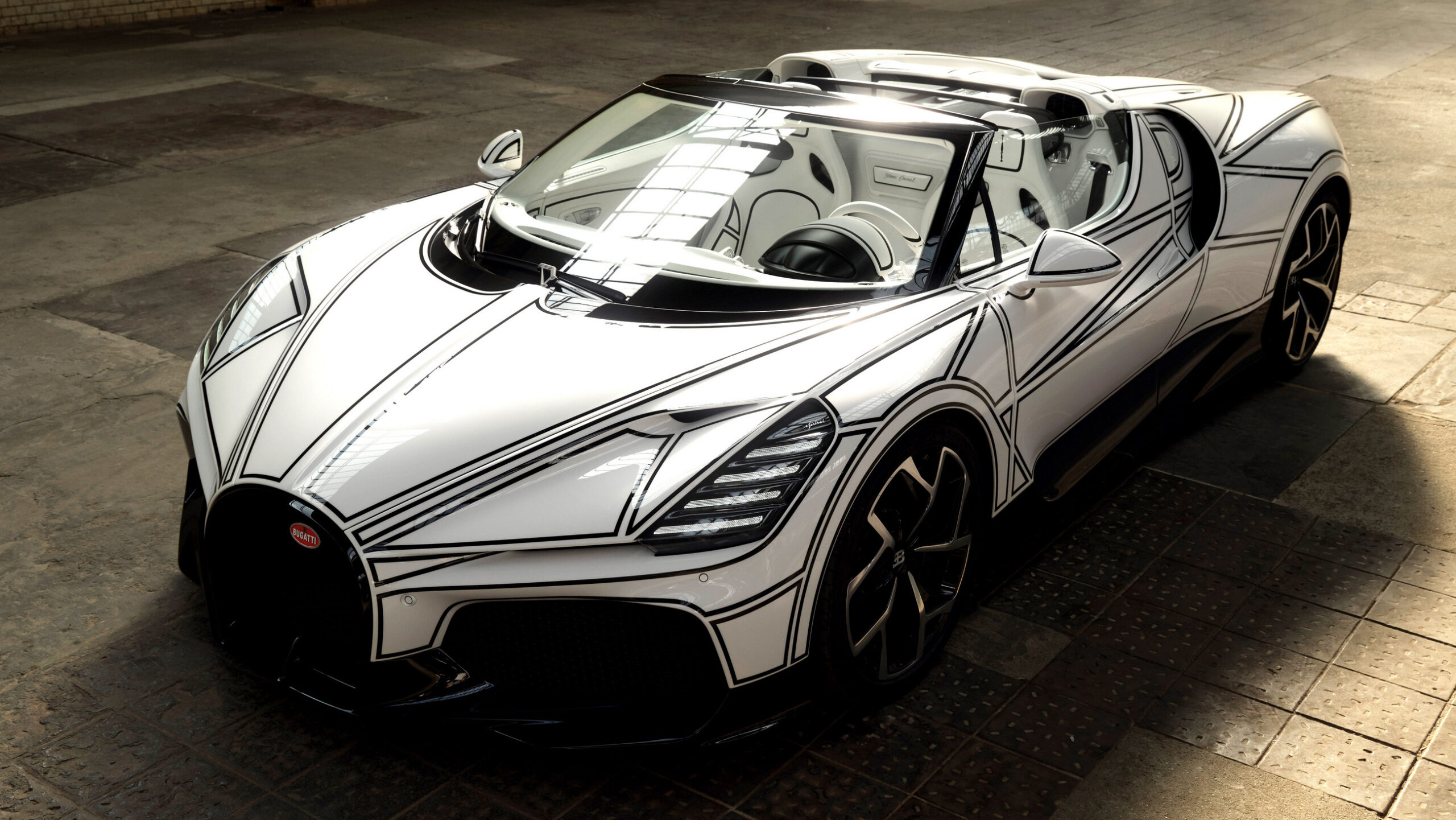
Blanc Éternel Hides Its Speed Behind a Gas Cap
Bugatti built a 261-mph roadster and made sure you'd notice the porcelain first.
From the other desks.

Gold Leaf on a Lacquer Dial, and the Weight of What That Costs
Awake's Frosted Leaf Royal Blue asks a question Vietnamese craft has never quite had to answer at this price.

ESPN Named Him. Then Unnamed Him. Nobody's Explaining the Gap.
A retraction without a reckoning is just a deleted link.

Hide My Email Has Been Showing Your Email
Apple's privacy flagship has a hole in it. They've known for over a year.