Chrysler Stopped Pretending. Now It Has Two Cars and a Fiat.
The brand's revival plan isn't a moonshot — it's a bet that cheap, weird, and honest beats aspirational and empty.
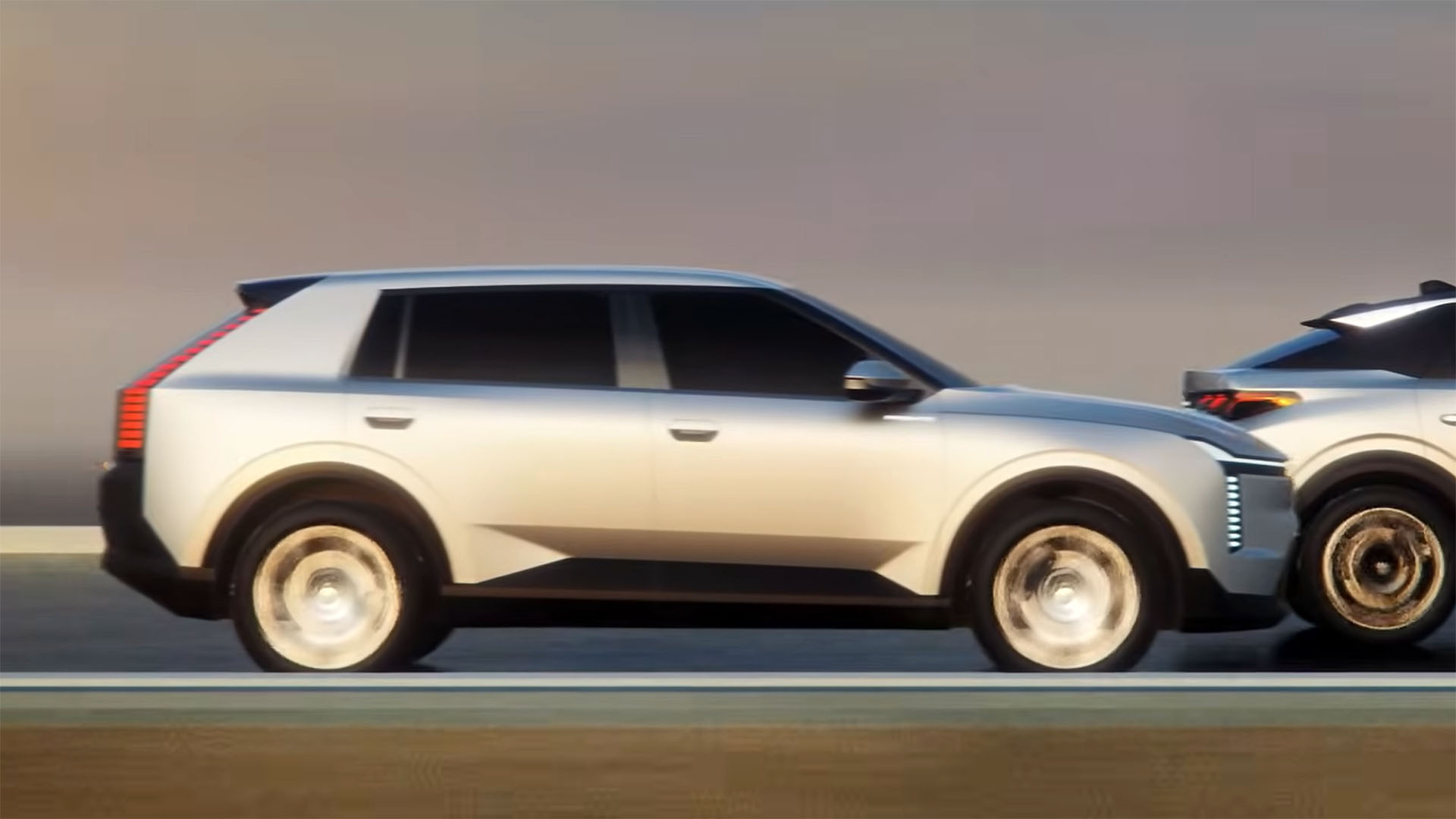
Photo · The Drive
There's a version of this story where Chrysler announces something grand — a halo car, a concept with butterfly doors, a press release full of words like vision and heritage. That version has been running for about a decade and it produced nothing anyone drives.
This version is different. This version has a sub-$40,000 SUV and a pair of small Fiats.
What Actually Got Announced
The Drive reported that the upcoming Chrysler Airflow SUV has been completely redesigned, and brand boss Tim Kuniskis confirmed it will run a gas inline-four — a significant departure from the electric direction the Airflow concept had been pointing toward. The price target sits under $40,000. That's not a vanity number. That's a real person's car budget, and Chrysler is finally acknowledging it.
Over at Jalopnik, the angle was different but the conclusion lands in the same place: small, funky Fiat-based vehicles are being positioned as the new Chrysler Arrow and Arrow Cross. Affordable. Distinctive. Not trying to out-German the Germans.
Two sources, two stories, one unmistakable pattern: Chrysler has stopped competing on aspiration and started competing on access.
The Bet Nobody Wants to Say Out Loud
Here's what both pieces circle without quite landing on: this isn't a comeback strategy built on greatness. It's built on presence. On showing up in a segment where the brand has been absent, at a price where people actually sign paperwork.
The Fiat connection matters more than it's being given credit for. Fiat-based architecture is small, it's relatively light, and it has a design sensibility that reads as intentional rather than anonymous. That's the raw material. What Chrysler does with it — whether these cars feel like something or just like budget transport with a different badge — that's the whole question.
Kuniskis choosing a gas inline-four for the Airflow tells you something about how Stellantis is reading the market right now. Range anxiety hasn't gone away. Charging infrastructure is still uneven. A gas powertrain under $40,000 in a reasonably sized SUV is a pragmatic call dressed up as a product decision. It's not exciting. It might be correct.
The Arrow name being revived for the Fiat-derived models is either a charming piece of brand archaeology or a reminder that Chrysler has been here before — small, affordable, trying to find footing — and the outcome wasn't always good. History isn't destiny, but the name carries weight whether the brand intends it to or not.
What I keep coming back to is this: category creation only works if the category feels real. 'Affordable Chrysler based on a Fiat' isn't a category. It's a description. The car has to earn the rest — the loyalty, the word-of-mouth, the moment someone sees one in a parking lot and wants to know what it is.
Chrysler isn't betting on dominance. It's betting on room — that there's space in the American market for something that doesn't cost $55,000 and doesn't apologize for it.
That's a humble bet. It's also, right now, probably the right one.
Keep reading cars.

800 Horsepower, One Ton of Doubt
Lamborghini built the most powerful SUV it's ever made. It's also slower than what it replaced.

£11,990 Draws a Line Under Every Excuse You Had Left
Dacia just made the cheapest new car in Britain electric — and that's not a footnote, it's a verdict.
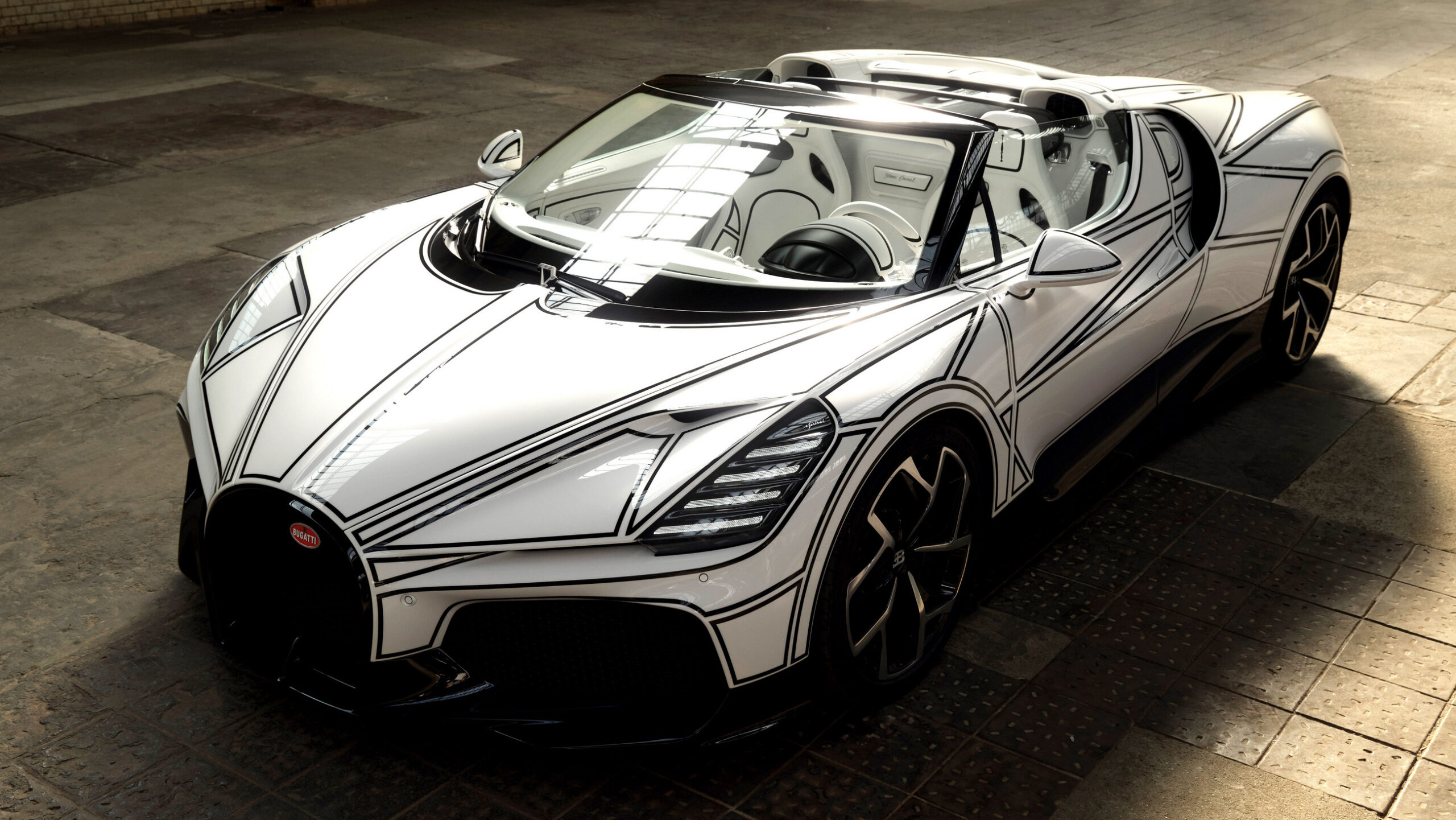
Blanc Éternel Hides Its Speed Behind a Gas Cap
Bugatti built a 261-mph roadster and made sure you'd notice the porcelain first.
From the other desks.

Gold Leaf on a Lacquer Dial, and the Weight of What That Costs
Awake's Frosted Leaf Royal Blue asks a question Vietnamese craft has never quite had to answer at this price.

ESPN Named Him. Then Unnamed Him. Nobody's Explaining the Gap.
A retraction without a reckoning is just a deleted link.

Hide My Email Has Been Showing Your Email
Apple's privacy flagship has a hole in it. They've known for over a year.