Eight Thousand Dollars and Nobody's Buying
The EV industry is spending more than ever to close the deal — and consumers are still standing in the driveway, arms crossed.
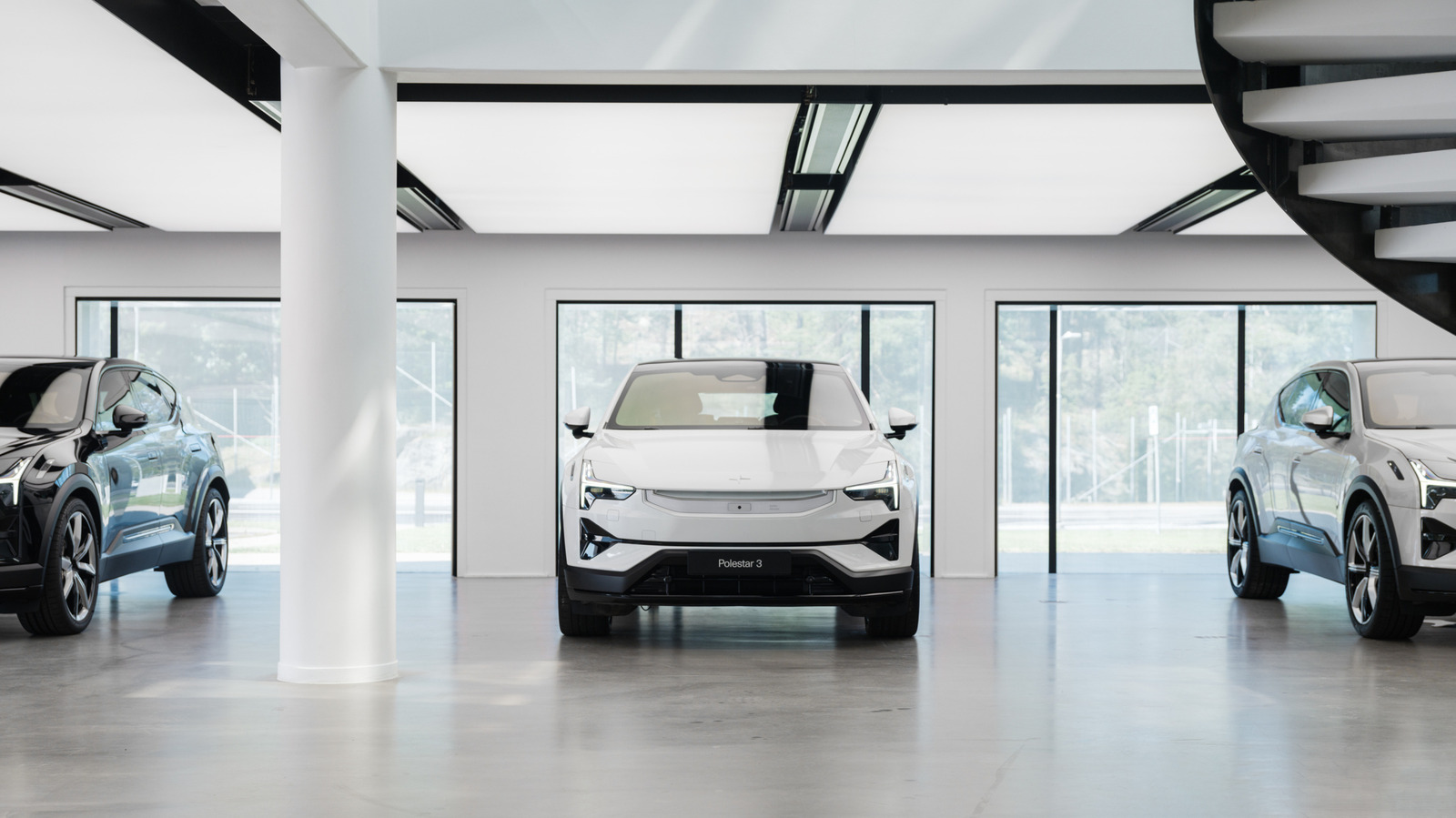
The number that keeps haunting this story is $8,000. That's roughly what automakers are absorbing per EV sold right now — in incentives, in discounts, in whatever it takes to get someone to sign. The federal tax credit that used to smooth this over is gone. Prices on everything else are climbing. And still, the lots aren't clearing the way anyone hoped.
This is the gap. Not between gas cars and electric ones. Between what the industry is willing to spend and what buyers are willing to feel.
The Price of Persuasion
Jalopnik reported that automakers are eating nearly $8,000 in incentives on their EVs just to move them — a number that tells you everything about where the leverage sits right now. It's not with the manufacturers. It's not even really with the dealers. It's with a buyer who has decided, for reasons that are partly rational and partly something harder to name, that they're not ready.
When Jalopnik asked its readers what gas price would finally push them toward an EV, the answers were mostly not answers. People dodged the number. They talked around it. One outlet noted that while few named a specific price point, the comments were revealing in their own way — which is a polite way of saying the resistance isn't really about the price of gas at all. It's about something the industry keeps trying to solve with money when money isn't the actual problem.
Range anxiety is real, but it's also become a kind of shorthand for a broader unease — with charging infrastructure, with resale value, with being early to something that might still get better. The $8,000 incentive is the industry's answer to that unease. It's a reasonable answer. It's just not the right one.
When the Pump Does the Selling
Here's the thing about Europe: the pump is doing what no incentive campaign quite can. As Jalopnik noted, tensions around Iran have pushed gas prices up on the continent, and European buyers are turning toward EVs in response. The threat of pain at the pump is moving metal in a way that marketing hasn't.
That's not a new dynamic — it's the oldest one in automotive history. People change what they drive when driving gets expensive enough to hurt. The American reader who won't name a gas price that would convert them is, in some ways, revealing that gas hasn't hurt them enough yet. Or that they don't believe it will.
Meanwhile, Tesla cleared a significant regulatory milestone in Europe with FSD approval — which matters not because full self-driving is imminent, but because it signals that the technology narrative is still advancing, still giving early adopters a reason to believe they're buying into something, not just buying a car.
The automakers spending $8,000 per unit to compete with that story are fighting on two fronts simultaneously: against the inertia of the undecided buyer, and against the brand gravity of a company that still, somehow, makes an EV feel like a statement rather than a compromise.
You can discount your way to a sale. You can't discount your way to desire.
The industry knows this. The incentives are a bridge, not a destination. The question is what's on the other side — and whether the infrastructure, the grid, and the cultural moment will arrive before the math stops working.
Keep reading cars.

800 Horsepower, One Ton of Doubt
Lamborghini built the most powerful SUV it's ever made. It's also slower than what it replaced.

£11,990 Draws a Line Under Every Excuse You Had Left
Dacia just made the cheapest new car in Britain electric — and that's not a footnote, it's a verdict.

Blanc Éternel Hides Its Speed Behind a Gas Cap
Bugatti built a 261-mph roadster and made sure you'd notice the porcelain first.
From the other desks.

Gold Leaf on a Lacquer Dial, and the Weight of What That Costs
Awake's Frosted Leaf Royal Blue asks a question Vietnamese craft has never quite had to answer at this price.

ESPN Named Him. Then Unnamed Him. Nobody's Explaining the Gap.
A retraction without a reckoning is just a deleted link.

Hide My Email Has Been Showing Your Email
Apple's privacy flagship has a hole in it. They've known for over a year.