F1 Drivers Are Telling You the 2026 Cars Are Unmanageable. Believe Them.
Between viral fitness mythology and drivers openly mocking their own machines, Formula 1 has a credibility problem it built itself.
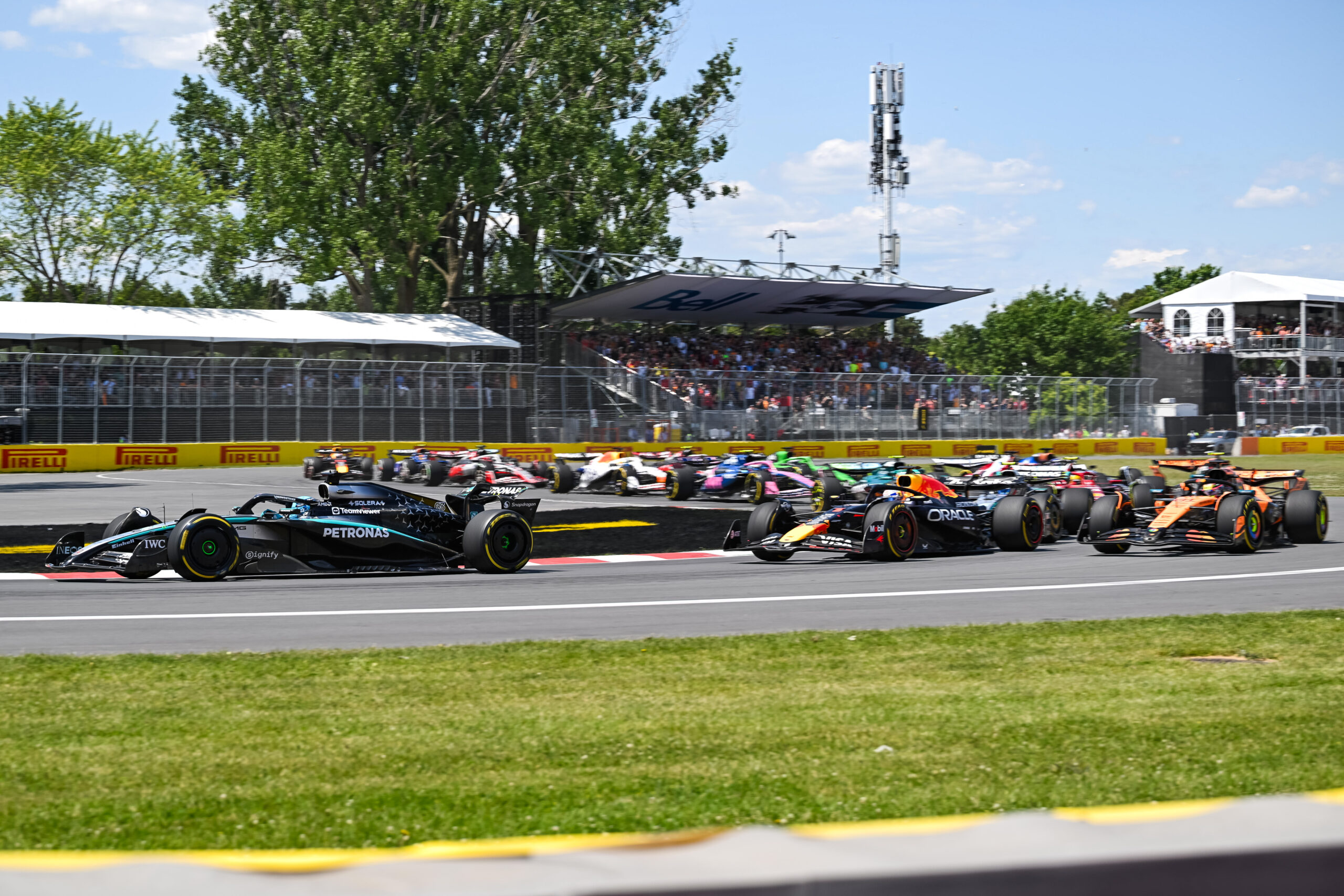
Photo · MotorBiscuit
There's a graphic circulating right now — origin: Mashable India, destination: every F1 fan's feed — that claims drivers endure 160kg of brake force, 50°C cockpit heat, and 35kg of neck load every race weekend. The numbers sound like they belong in a trauma ward, not a sport. And here's the thing: some of them check out. Some of them don't. MotorBiscuit went through the claims and found a fact-checker's mixed verdict underneath the viral packaging.
But the graphic isn't really the story. The story is why it's spreading so fast.
When a sport's athletes are going on record saying their own cars are mentally exhausting — when Max Verstappen jokes that the grid could put on a better show in rental cars — fans don't reach for nuance. They reach for the most extreme version of the truth available. The viral fitness claims are filling a vacuum that F1 created by making its 2026 rulebook genuinely difficult to defend.
The Machine Nobody Asked For
Verstappen's frustration isn't a hot take. It's a diagnosis. The new hybrid regulations for 2026 drew scrutiny well before the season, and the drivers sitting inside these cars are now saying out loud what engineers have been hedging around in press conferences: the complexity has crossed a line. Verstappen called the driving experience mentally exhausting. That's not a man complaining about difficulty — every driver on that grid chose a life of difficulty. That's a man saying the car is working against him in ways that don't produce better racing.
George Russell is fighting it differently. Where Verstappen reaches for dark humor, Russell is engaging the rulebook itself, pushing back on the 2026 framework in a way that suggests he believes the thing can still be fixed. Two of the fastest drivers on the grid, two completely different responses to the same problem, which tells you the problem is real and nobody agrees on what to do about it.
That's the meta-pattern across all of this. F1 isn't facing a PR crisis about driver fitness claims going viral. It's facing a credibility gap between what the sport says its rules are designed to produce and what the people driving under those rules are actually experiencing.
What the Noise Is Actually Saying
The fitness graphic went viral because it makes drivers sound superhuman. And drivers are, in genuine and measurable ways, extraordinary physical specimens operating in extreme conditions. That part's true. But the reason fans need to reach for mythology right now is that the sport itself isn't giving them something better to hold onto. When your headline driver is joking about rental cars and another is locked in a public argument with the rulebook, you don't have a narrative of mastery. You have a narrative of friction.
F1 has always sold the idea that its machines represent the absolute limit of what's possible — that the rules exist to focus genius, not obstruct it. The 2026 regulations, at least in the telling of the drivers living inside them, have flipped that. The limit isn't the physics of the car. It's the rulebook.
Verstappen and Russell don't agree on the fix. But they agree on the problem, and in Formula 1, that kind of consensus across competitors is rare enough to mean something.
A sport that has to go viral for the wrong reasons to stay in the conversation has a much bigger engineering problem than whatever's under the hood.
Keep reading cars.

800 Horsepower, One Ton of Doubt
Lamborghini built the most powerful SUV it's ever made. It's also slower than what it replaced.

£11,990 Draws a Line Under Every Excuse You Had Left
Dacia just made the cheapest new car in Britain electric — and that's not a footnote, it's a verdict.
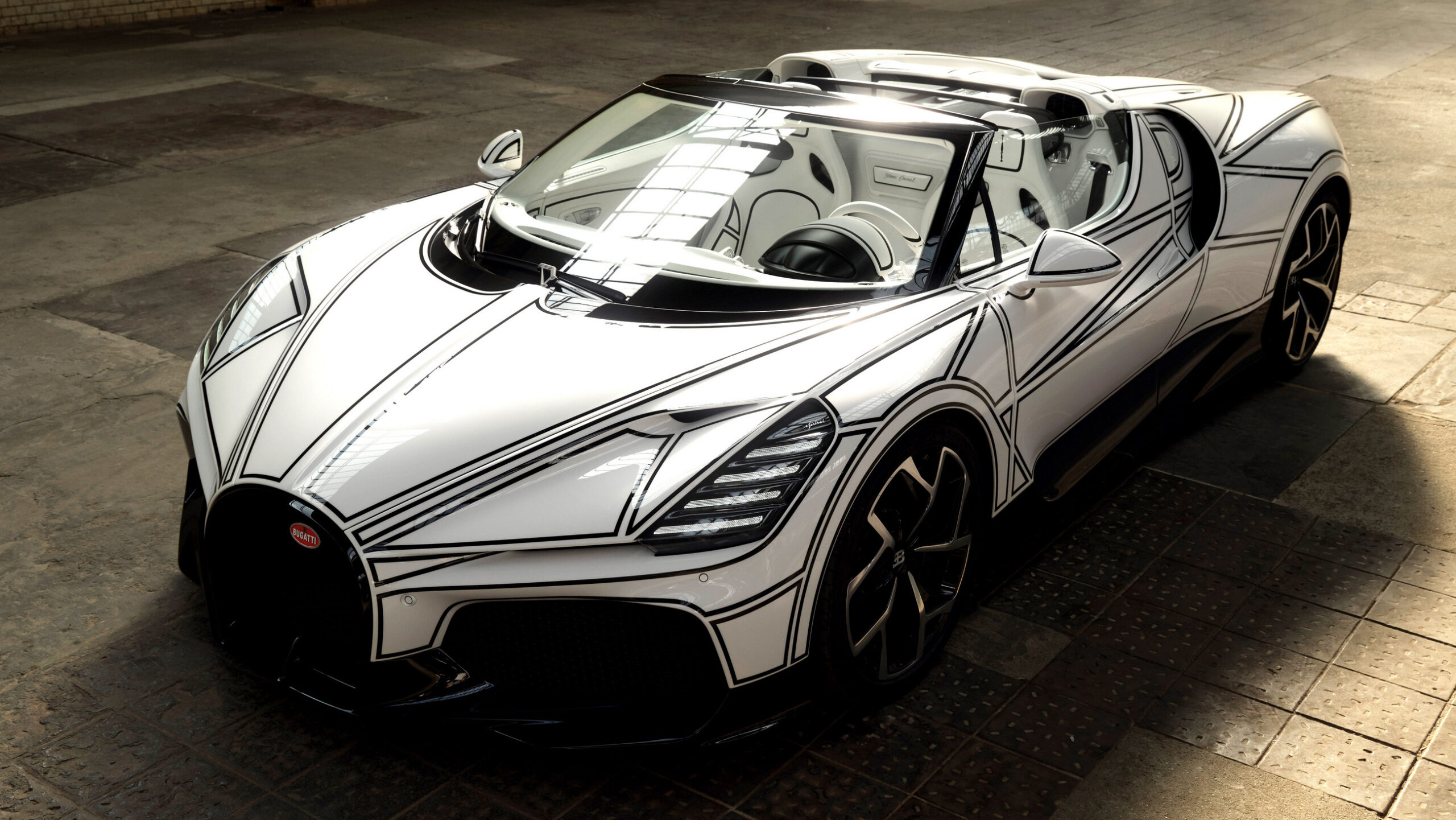
Blanc Éternel Hides Its Speed Behind a Gas Cap
Bugatti built a 261-mph roadster and made sure you'd notice the porcelain first.
From the other desks.

Gold Leaf on a Lacquer Dial, and the Weight of What That Costs
Awake's Frosted Leaf Royal Blue asks a question Vietnamese craft has never quite had to answer at this price.

ESPN Named Him. Then Unnamed Him. Nobody's Explaining the Gap.
A retraction without a reckoning is just a deleted link.

Hide My Email Has Been Showing Your Email
Apple's privacy flagship has a hole in it. They've known for over a year.