Ferrari Handed Jony Ive the Keys. The Internet Handed Them Back.
The Luce landed with 1,035 horsepower and a stock drop. What that actually tells us about heritage, permission, and who gets to define a Ferrari.
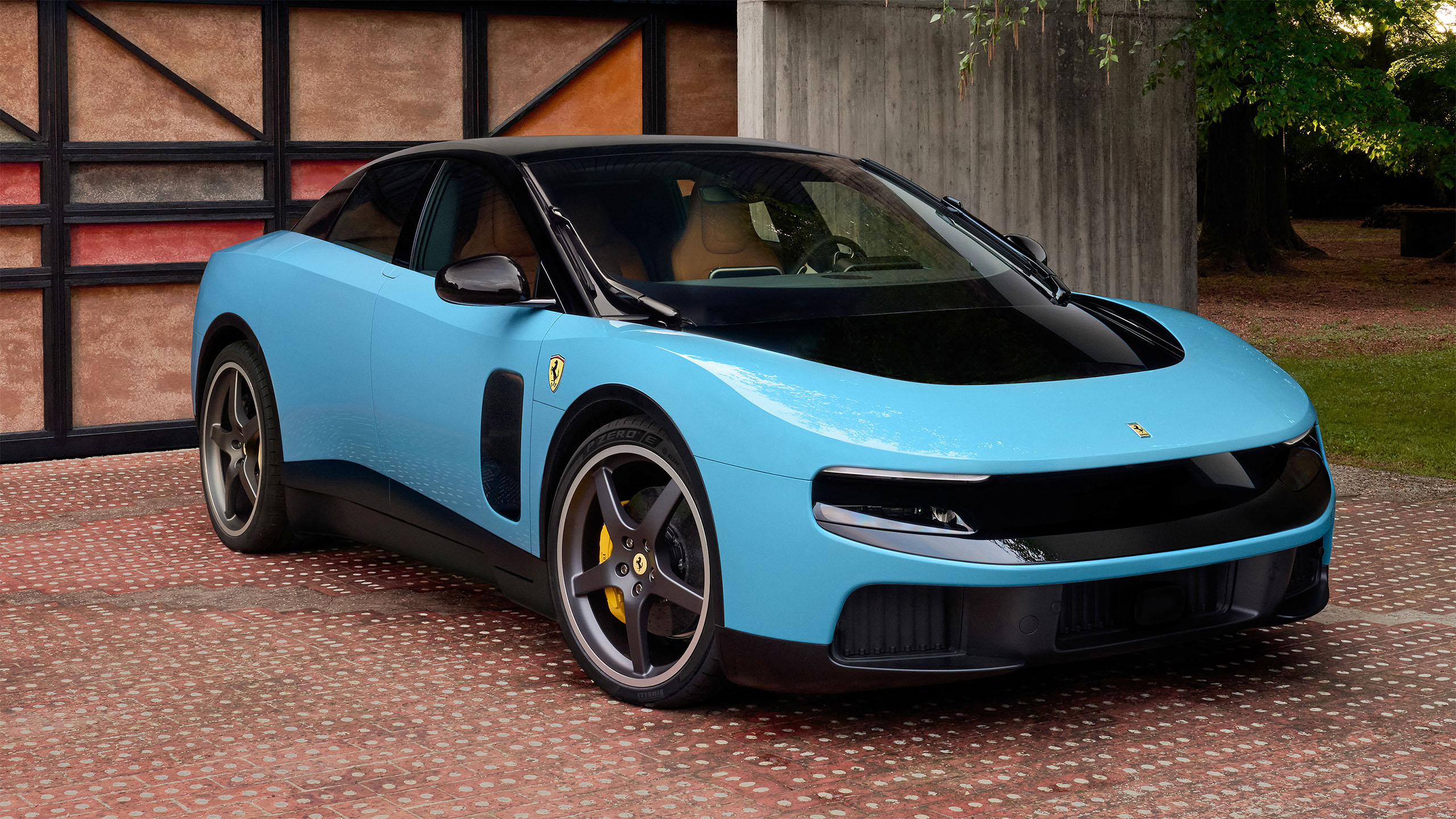
Photo · The Drive
Six percent. That's how far Ferrari's stock fell in Milan trading the day after the Luce debuted — roughly £3 billion in market cap, gone, because people looked at a car and made a face. According to Electrek, the online comparisons ranged from Honda Accord to Apple Store minivan to luxury toaster. Investors read the room and ran.
Here's the thing about that room: it was almost certainly wrong.
What the Numbers Actually Say
The Luce makes 1,035 horsepower. It hits 62 mph in 2.5 seconds. It has all-wheel drive, suicide doors, five seats — a first for Ferrari, per Motor1 — and, according to one writer at Driving, the best interior they've ever seen in a production car, including a 3,000-watt audio system that belongs in a different conversation entirely. Robb Report noted it debuted in Rome. Ars Technica, after presumably seeing it in person, concluded the exterior reads better off a screen than on one.
None of that moved the market. The shape did.
And the shape came from Sir Jony Ive and Marc Newson, their LoveFrom collective doing work that Hagerty described as shining in a very different direction from anything Maranello has produced. The Drive went granular enough to note that the design is so unusual it forced engineers to reinvent the windshield wiper — there was simply nowhere conventional to put one. That's not a detail you get from a cynical commission. Someone cared, deeply, about every surface.
Autoweek called it the brand's most boring shape ever. Also called it a wafflemaker.
Both things are being said about the same object. That's not a contradiction — that's the entire story.
Permission You Can't Buy
The Autopian asked the right question: would we be this angry if it were the Apple Car? Their implied answer is no — and they're probably right. Ive's visual language, that vocabulary of clean volumes and considered restraint, would land differently wearing a different badge. On an Apple, it's inevitable. On a Ferrari, it reads as surrender.
That's the trap Ferrari walked into. They went outside the culture to stay relevant — which is a reasonable instinct when you're building your first EV and need to signal that this isn't just a Maranello product bolted onto a battery pack. Bringing in LoveFrom was a statement: we're taking this seriously as a designed object, not just an engineering exercise. The problem is that Ferrari's audience didn't grant that permission. They wanted provocation they could recognize. They wanted a Ferrari that happened to be electric. They got something that might be genuinely better — and they couldn't see past what it wasn't.
MotorBiscuit reported that even a former Ferrari boss weighed in harshly. TechCrunch read the whole project as aimed at regulatory compliance and China rather than the faithful. Which may be accurate. And may also be fine — Ferrari moving five seats through a charging infrastructure while its traditionalist base fumes is a workable business outcome. The Luce doesn't need everyone's blessing.
But here's what the coverage, across all thirteen sources, keeps circling without quite landing on: the backlash isn't really about the car. It's about trust. Ferrari's audience has been in a long, unspoken agreement with Maranello — you make things that feel dangerous and Italian and slightly impractical, and we will pay whatever you ask and feel good about it. The Luce looks like Ferrari asked someone else to write that contract.
Maybe Ive and Newson wrote a better one. The interior alone suggests they might have.
But permission, in this world, isn't granted by specs. It's earned through a shared language — and right now, Ferrari and its most vocal audience aren't speaking the same one.
Keep reading cars.

800 Horsepower, One Ton of Doubt
Lamborghini built the most powerful SUV it's ever made. It's also slower than what it replaced.

£11,990 Draws a Line Under Every Excuse You Had Left
Dacia just made the cheapest new car in Britain electric — and that's not a footnote, it's a verdict.
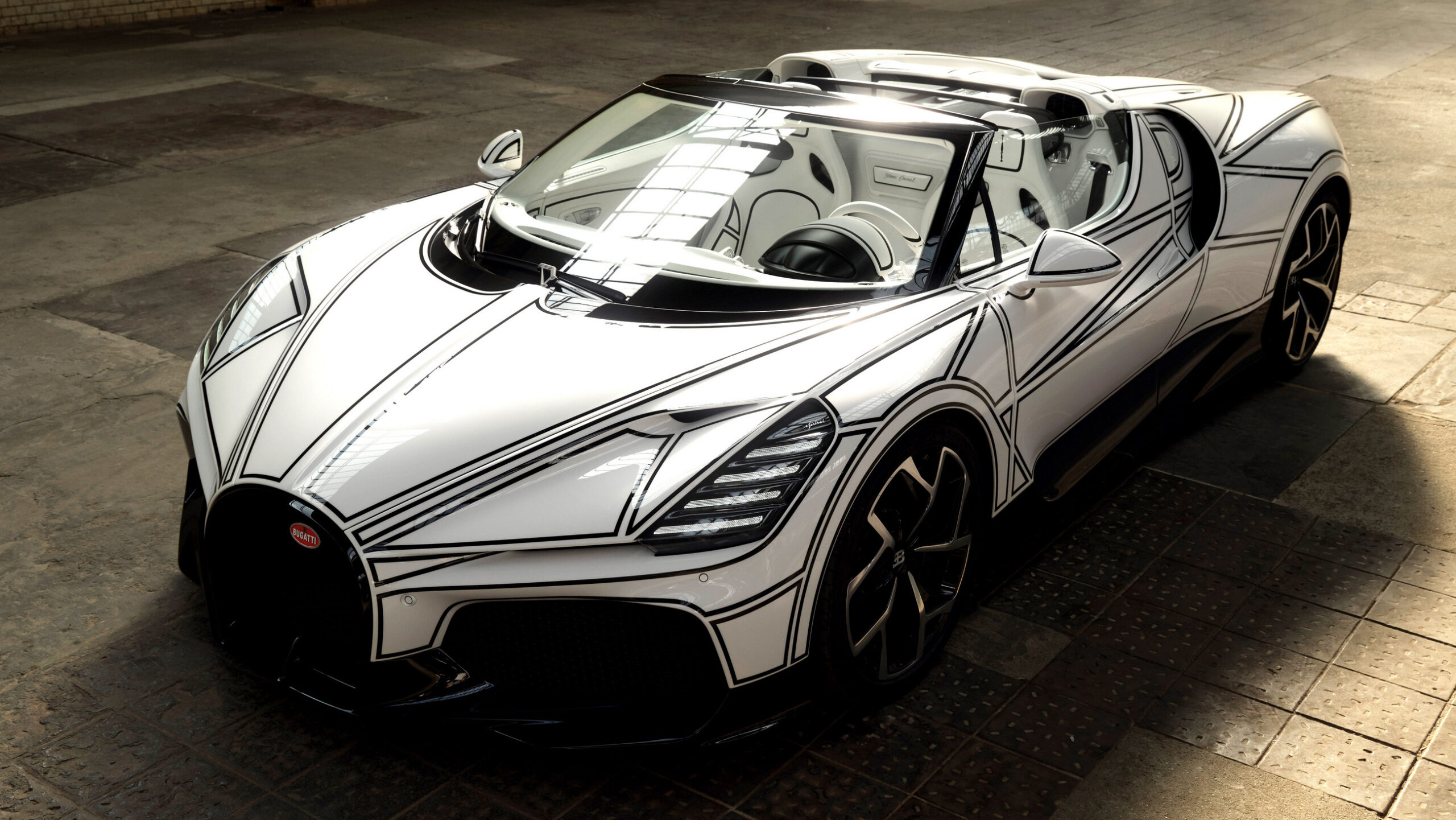
Blanc Éternel Hides Its Speed Behind a Gas Cap
Bugatti built a 261-mph roadster and made sure you'd notice the porcelain first.
From the other desks.

Gold Leaf on a Lacquer Dial, and the Weight of What That Costs
Awake's Frosted Leaf Royal Blue asks a question Vietnamese craft has never quite had to answer at this price.

ESPN Named Him. Then Unnamed Him. Nobody's Explaining the Gap.
A retraction without a reckoning is just a deleted link.

Hide My Email Has Been Showing Your Email
Apple's privacy flagship has a hole in it. They've known for over a year.