Fifty-Fifty Looked Clean on a Whiteboard. Monaco Disagreed.
The FIA just forced F1 teams to cut electric power maps mid-season, and the reason tells you everything about how the 2026 hybrid rules were always going to land.
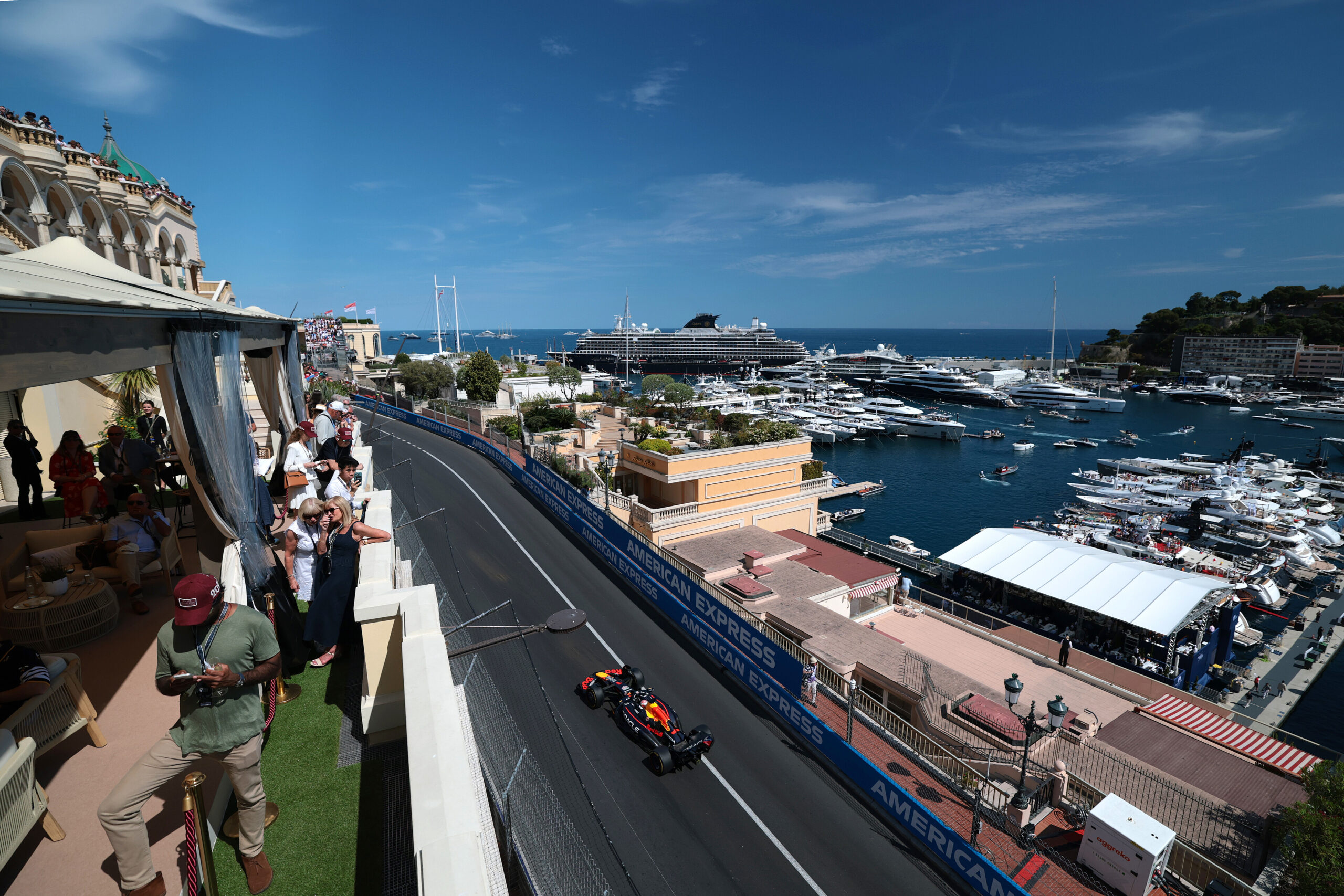
Photo · MotorBiscuit
There's a specific kind of engineering failure that only reveals itself under pressure — not in the lab, not in simulation, but when the real world shows up with its corners and its physics and its refusal to cooperate. The 2026 Formula 1 hybrid rules have found that pressure. It's called Monaco.
A writer at MotorBiscuit has flagged something worth sitting with: the FIA has been forced to intervene and compel teams to slash their electric power maps heading into the Monaco Grand Prix, because the circuit's particular demands are breaking the framework that was supposed to define this entire regulatory era. The problem isn't a team cheating. The problem is that the rules themselves are running into the sport.
What the Track Exposed
The 2026 power unit regulations mandate a fifty-fifty split between internal combustion and electric power. That number sounds balanced, almost elegant. But balance on paper and balance at speed are different animals. According to the reporting, drivers have already been dealing with "lift-and-coast" tactics and something called "superclipping" — both symptoms of the same underlying problem: at fast circuits, there simply isn't enough opportunity to harvest the battery charge needed to sustain that mandated split.
Monaco is the extreme case. The circuit's nature — tight, slow, a rhythm entirely unlike anything else on the calendar — creates harvesting conditions that are apparently so unusual they push the cars into territory the rules didn't account for. So the FIA stepped in and ordered a reduction in electric power maps. First time, mid-season. That's not a minor calibration. That's a structural admission.
The lift-and-coast problem matters beyond the optics of watching grand prix cars visibly back off. It changes how drivers drive — not in the way a fuel-saving stint changes it, where you're managing a consumable, but in a way that makes the car actively adversarial to the driver's instincts. You want to attack. The power unit needs you to coast. That tension isn't racing. It's negotiation.
The Gap Between Regulation and Reality
What's interesting about the MotorBiscuit piece isn't just the news — it's what the news implies. The fifty-fifty split mandate was presumably built around an idealized circuit profile, something that averaged out over a calendar. But Formula 1 doesn't run on averages. It runs on Monza and Monaco and Baku, circuits that each represent completely different physical demands. A rule that works in the middle of the distribution breaks at the edges.
And Monaco is always the edge.
The intervention itself — the FIA telling teams to cut the maps — is revealing in a particular way. It suggests that the problem wasn't caught through testing or pre-season modeling, but through actual competition, at one of the most watched events on the calendar. That's a late discovery for a regulation this foundational.
There's a longer conversation underneath this about what hybrid mandates in motorsport are actually for, and who they serve, and whether the performance targets attached to them were always more political than physical. That conversation was already happening in paddock corners. Monaco just moved it to the main stage.
Some rules hold up when the driving gets hard. These ones asked the drivers to stop driving hard — and then the calendar handed them the one circuit where that's least possible.
The whiteboard never had to brake for the Nouvelle Chicane.
Keep reading cars.

800 Horsepower, One Ton of Doubt
Lamborghini built the most powerful SUV it's ever made. It's also slower than what it replaced.

£11,990 Draws a Line Under Every Excuse You Had Left
Dacia just made the cheapest new car in Britain electric — and that's not a footnote, it's a verdict.
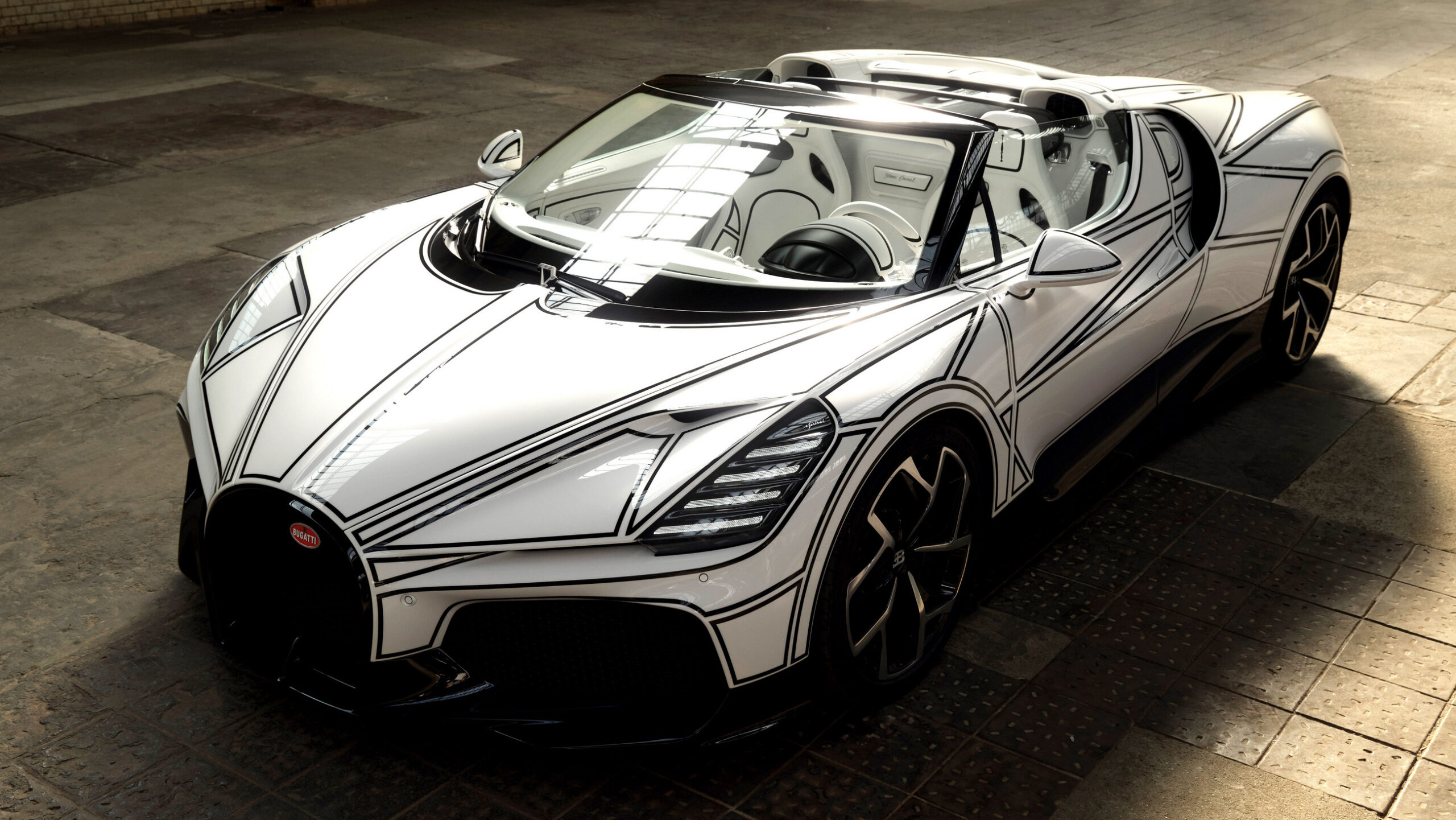
Blanc Éternel Hides Its Speed Behind a Gas Cap
Bugatti built a 261-mph roadster and made sure you'd notice the porcelain first.
From the other desks.

Gold Leaf on a Lacquer Dial, and the Weight of What That Costs
Awake's Frosted Leaf Royal Blue asks a question Vietnamese craft has never quite had to answer at this price.

ESPN Named Him. Then Unnamed Him. Nobody's Explaining the Gap.
A retraction without a reckoning is just a deleted link.

Hide My Email Has Been Showing Your Email
Apple's privacy flagship has a hole in it. They've known for over a year.