Gernot Döllner Laughed. That's Worth More Than a Press Release.
Audi's CEO didn't kill the R8 or bury the V8 — he just made clear that survival now requires a reason.
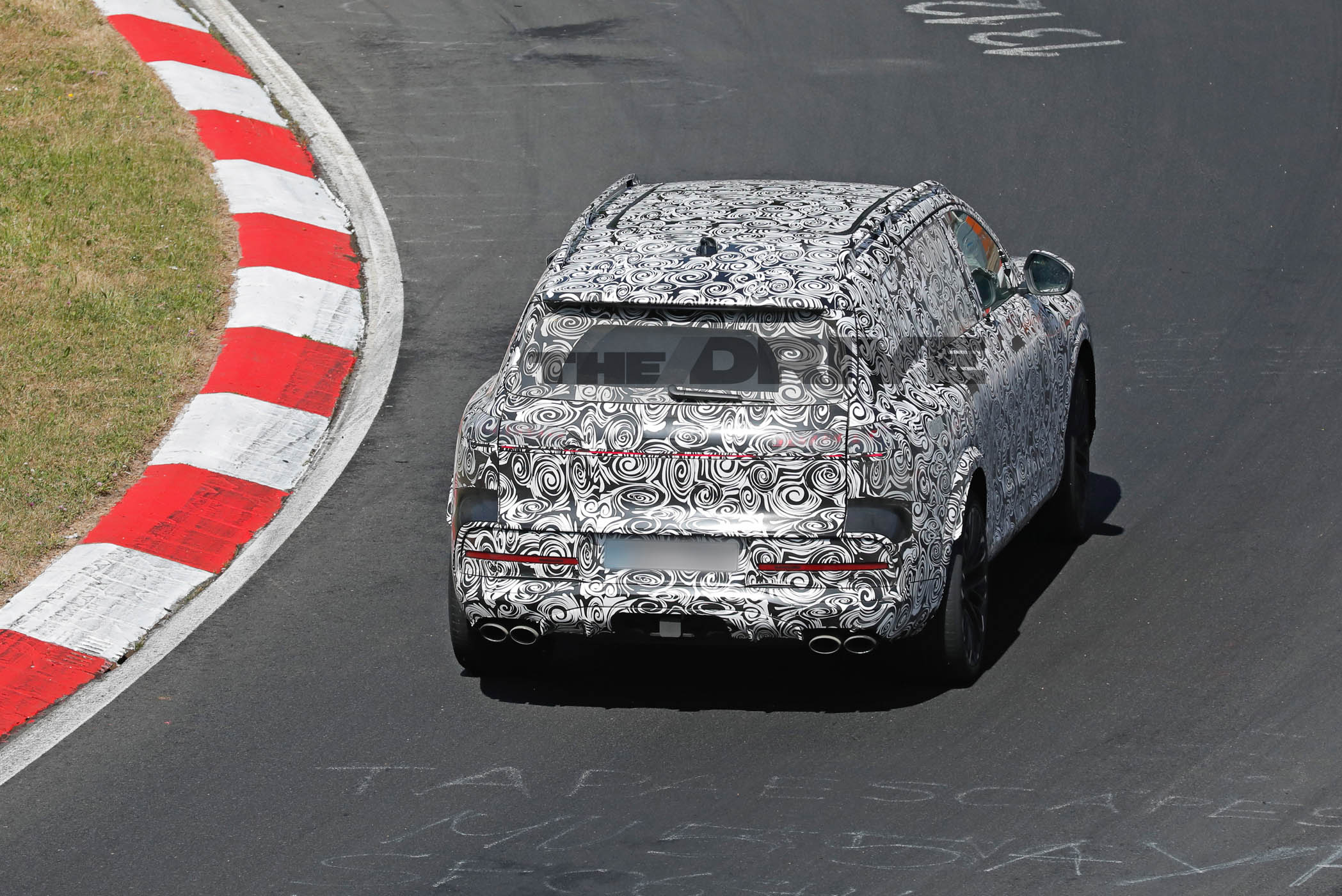
Photo · The Drive
There's a particular kind of laugh that CEOs deploy when they want to leave a door open without touching the handle. Gernot Döllner used one of those when asked about a third-generation R8. "Good idea," he said, and laughed. That's not a confirmation. It's not a denial either. It's something rarer: permission to hope, rationed carefully.
Two conversations with Döllner — both reported by The Drive — reveal an executive who is neither eulogizing combustion nor pretending electrification isn't eating his lineup from the inside. He's doing something more complicated. He's deciding which machines have earned the right to survive it.
The V8 Gets a Reason. The R8 Gets a Laugh.
On the V8, Döllner was direct. Large SUVs, he said, still make sense with a V8 under the hood. There's no reason to pull it. That's not nostalgia — that's a business case dressed in pragmatism. Big vehicles, big buyers, the expectation of a certain kind of power delivery. The V8 fits because the use case fits. It's not sentiment. It's arithmetic.
The R8 question is different, and the difference matters. A supercar doesn't survive on utility. It survives on desire, on identity, on the willingness of an automaker to fund something that doesn't need to exist in any rational sense. When The Drive asked Döllner about a third generation, he didn't reach for talking points. He laughed. And then — this is the detail worth holding onto — he knew the Lamborghini Temerario's redline by heart.
That's not a man who has moved on.
What Permission Sounds Like
Here's what's changed in the industry, and what both of these exchanges make visible: performance cars no longer exist by default. They exist because someone in a position of power decides they should. The old logic — that a brand at a certain level simply had a halo car — has been dismantled by electrification timelines, emissions regulations, and the board-level pressure to show a credible EV story. Nothing is automatic anymore.
So when a CEO laughs warmly at the R8 question instead of pivoting to talk about the e-tron GT, that laugh is load-bearing. It means the conversation hasn't been closed internally. It means someone is still running the numbers, or at least running the fantasy. It means the car hasn't been officially unmourned.
Döllner knowing the Temerario's redline off the top of his head is the kind of thing that doesn't happen unless you're paying attention — unless the space where a V10 screaming to its limit still matters to you. That's not a stat a CEO memorizes for a press conference. That's a stat a car person carries around.
The V8's path is clear: it stays where it makes sense, it retreats from where it doesn't — the RS5 is already moving on — and it survives by being useful rather than beloved. That's a dignified exit strategy dressed as a continuation.
The R8's path is murkier, which is probably why it's more interesting. A supercar can't survive on usefulness. If Audi builds a third-generation R8, it will be because someone decided it was worth building — not because the segment demanded it, not because the margins commanded it, but because the machine deserved to exist.
Döllner's laugh suggests he might be that someone. His knowledge of a competitor's redline suggests he's still listening for the right engine note.
The machines that survive this era won't be the ones that were grandfathered in. They'll be the ones somebody fought for.
Keep reading cars.

800 Horsepower, One Ton of Doubt
Lamborghini built the most powerful SUV it's ever made. It's also slower than what it replaced.

£11,990 Draws a Line Under Every Excuse You Had Left
Dacia just made the cheapest new car in Britain electric — and that's not a footnote, it's a verdict.
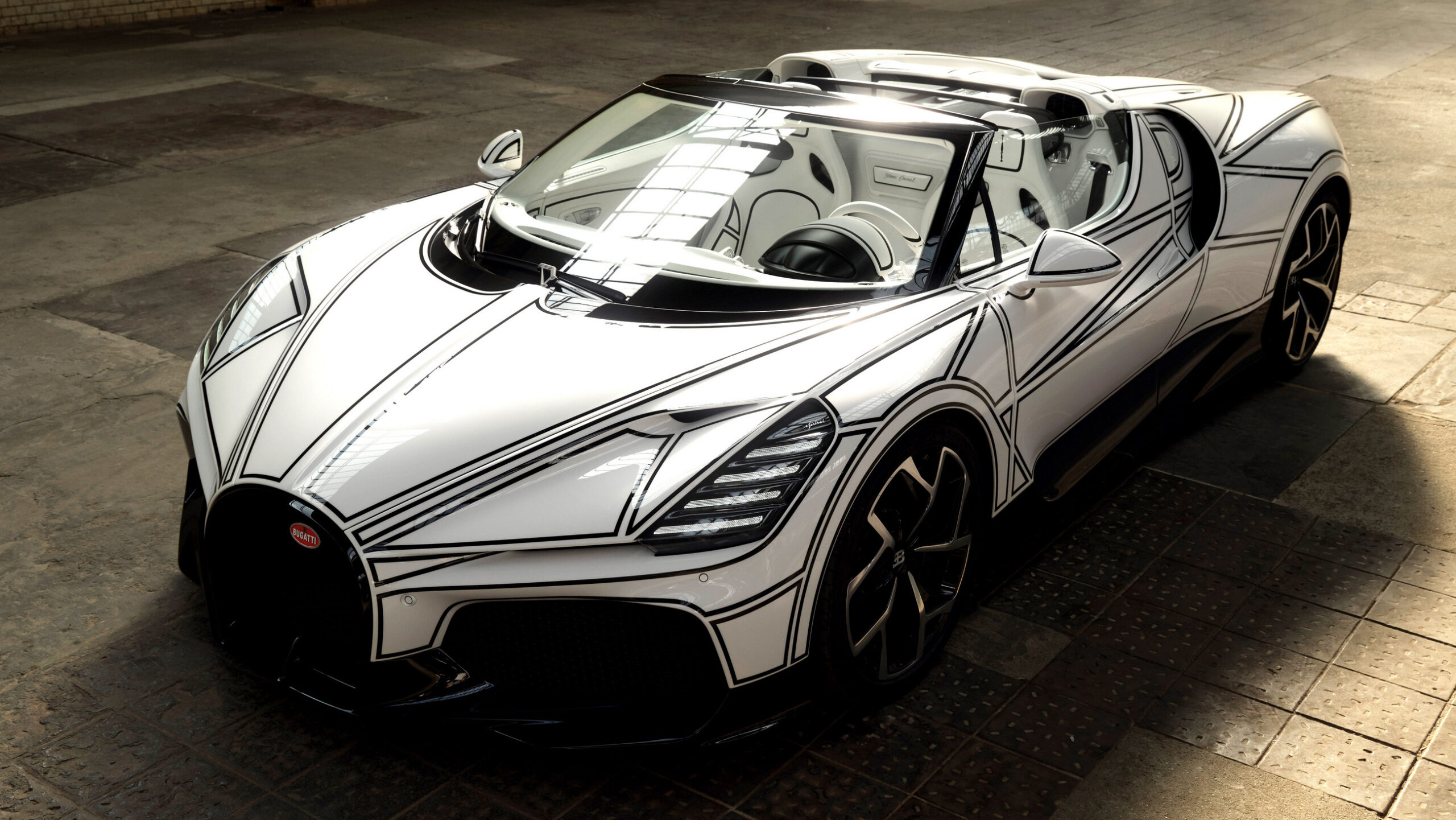
Blanc Éternel Hides Its Speed Behind a Gas Cap
Bugatti built a 261-mph roadster and made sure you'd notice the porcelain first.
From the other desks.

Gold Leaf on a Lacquer Dial, and the Weight of What That Costs
Awake's Frosted Leaf Royal Blue asks a question Vietnamese craft has never quite had to answer at this price.

ESPN Named Him. Then Unnamed Him. Nobody's Explaining the Gap.
A retraction without a reckoning is just a deleted link.

Hide My Email Has Been Showing Your Email
Apple's privacy flagship has a hole in it. They've known for over a year.