Lexus Finished the Design. Then Killed the Car.
The LF-ZC was supposed to prove Lexus could lead in electric. Canceling it proves something else entirely.

Photo · Motor1.com - Articles
There's a particular kind of loss that comes with a car that almost existed. Not a rumor, not a sketch on a napkin — a full concept, a dedicated platform, advanced battery development, a production timeline. The Lexus LF-ZC was close enough to real that you could grieve it.
Now you can.
Lexus has canceled the production version of the LF-ZC electric sedan, a low-slung flagship that was expected to enter production later this year. According to reporting from Electrek, the project was built around next-generation batteries and a dedicated EV platform — not a conversion, not a compromise, but a ground-up attempt at what a Lexus in the electric era could actually feel like. InsideEVs noted the brand was also developing an IS EV alongside it. Both are gone.
TheTruthAboutCars coined a phrase that sticks: DBA. Dead before arrival.
The Gap Between Concept and Commitment
Here's what the coverage collectively reveals, if you read across all four sources at once: Lexus didn't cancel a rumor. It canceled something it had already built a case for — something that had moved from show floor to engineering floor, from concept lighting to battery chemistry. That's not a pivot. That's a retreat from a position you'd already taken.
The LF-ZC wasn't vaporware. It was a direction. And pulling it means the direction changed, which means someone looked at the business case — the market, the margins, the competitive landscape — and decided the math didn't work. You don't kill a nearly-production EV because the design was wrong. You kill it because the world outside the design studio got complicated.
That's the story underneath every headline here. Not that Lexus made a mistake with the LF-ZC, but that the EV transition keeps exposing how thin the line is between commitment and calculation. These companies aren't building the future out of conviction — they're betting on it, and when the odds shift, so does the portfolio.
What the Car Would Have Had to Be
Let yourself imagine it for a second. A Lexus flagship, electric, riding a platform designed specifically for this mission. Advanced batteries — the kind Electrek described as next-generation. A silhouette low enough to signal intent before you even read the badge. This was supposed to be the machine that answered every question about whether Lexus understood the moment.
Instead it becomes a concept car in the truest, saddest sense: something that existed to show what was possible, not to deliver it.
Motor1 framed it simply — Lexus scrapped plans for a future flagship EV. Future. Flagship. Both words are doing heavy lifting in that sentence, and both are now hypothetical.
The brands that are winning in electric didn't get there by building beautiful concepts and then running the numbers. They ran the numbers first, or they ignored them entirely and built anyway. Lexus, apparently, did neither cleanly — it got far enough down the road to generate real excitement, real expectations, and then stopped.
A bet, not a certainty. That's what every luxury maker signing off on an EV program is really doing. The LF-ZC just made the bet visible before the cards hit the table.
Keep reading cars.

800 Horsepower, One Ton of Doubt
Lamborghini built the most powerful SUV it's ever made. It's also slower than what it replaced.

£11,990 Draws a Line Under Every Excuse You Had Left
Dacia just made the cheapest new car in Britain electric — and that's not a footnote, it's a verdict.
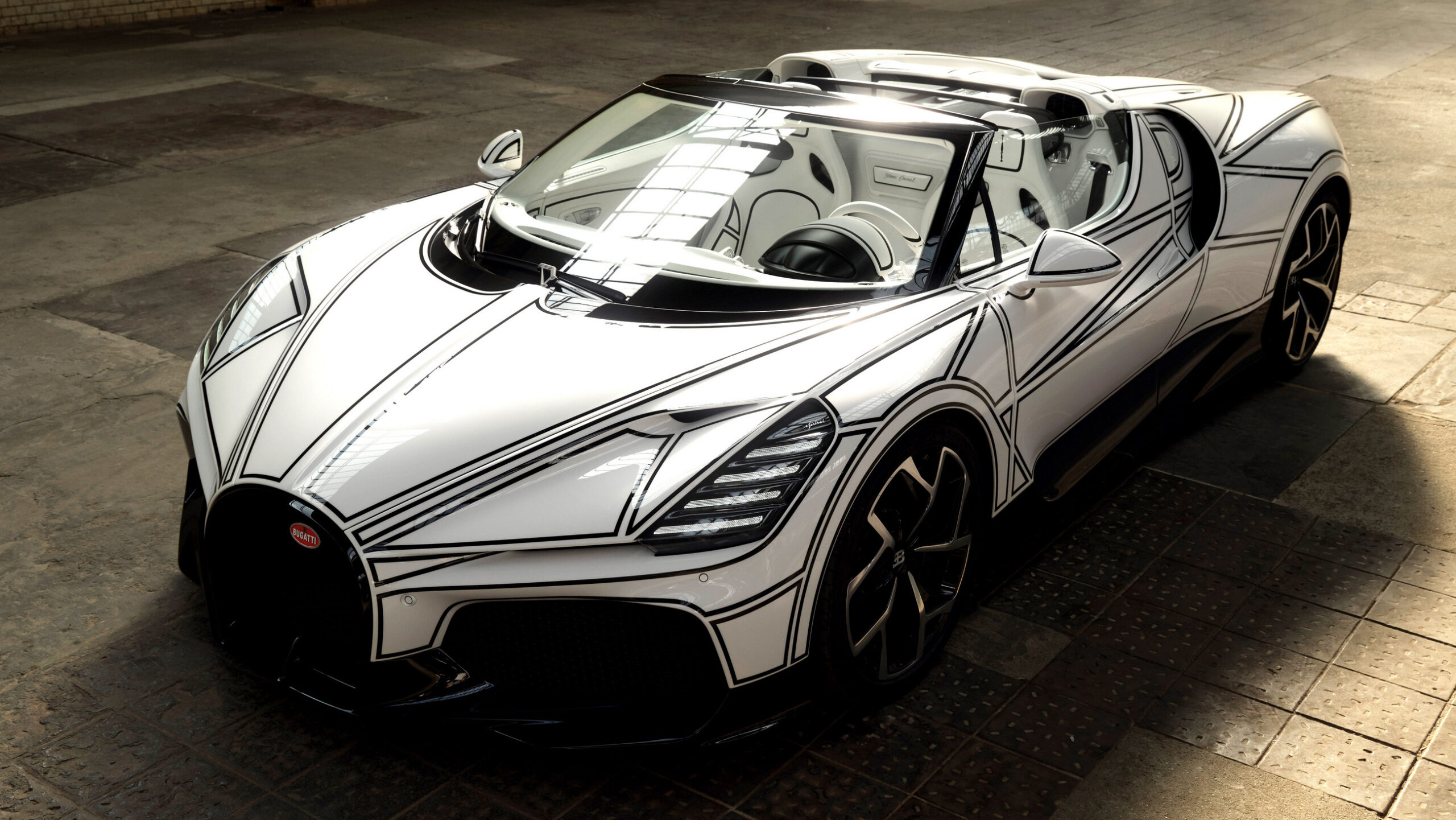
Blanc Éternel Hides Its Speed Behind a Gas Cap
Bugatti built a 261-mph roadster and made sure you'd notice the porcelain first.
From the other desks.

Gold Leaf on a Lacquer Dial, and the Weight of What That Costs
Awake's Frosted Leaf Royal Blue asks a question Vietnamese craft has never quite had to answer at this price.

ESPN Named Him. Then Unnamed Him. Nobody's Explaining the Gap.
A retraction without a reckoning is just a deleted link.

Hide My Email Has Been Showing Your Email
Apple's privacy flagship has a hole in it. They've known for over a year.