Lucid Gave Someone Their Money Back. That Alone Is the Story.
A software-riddled Air got bought back — and in doing so, exposed just how thin the floor is beneath every flagship EV promise.
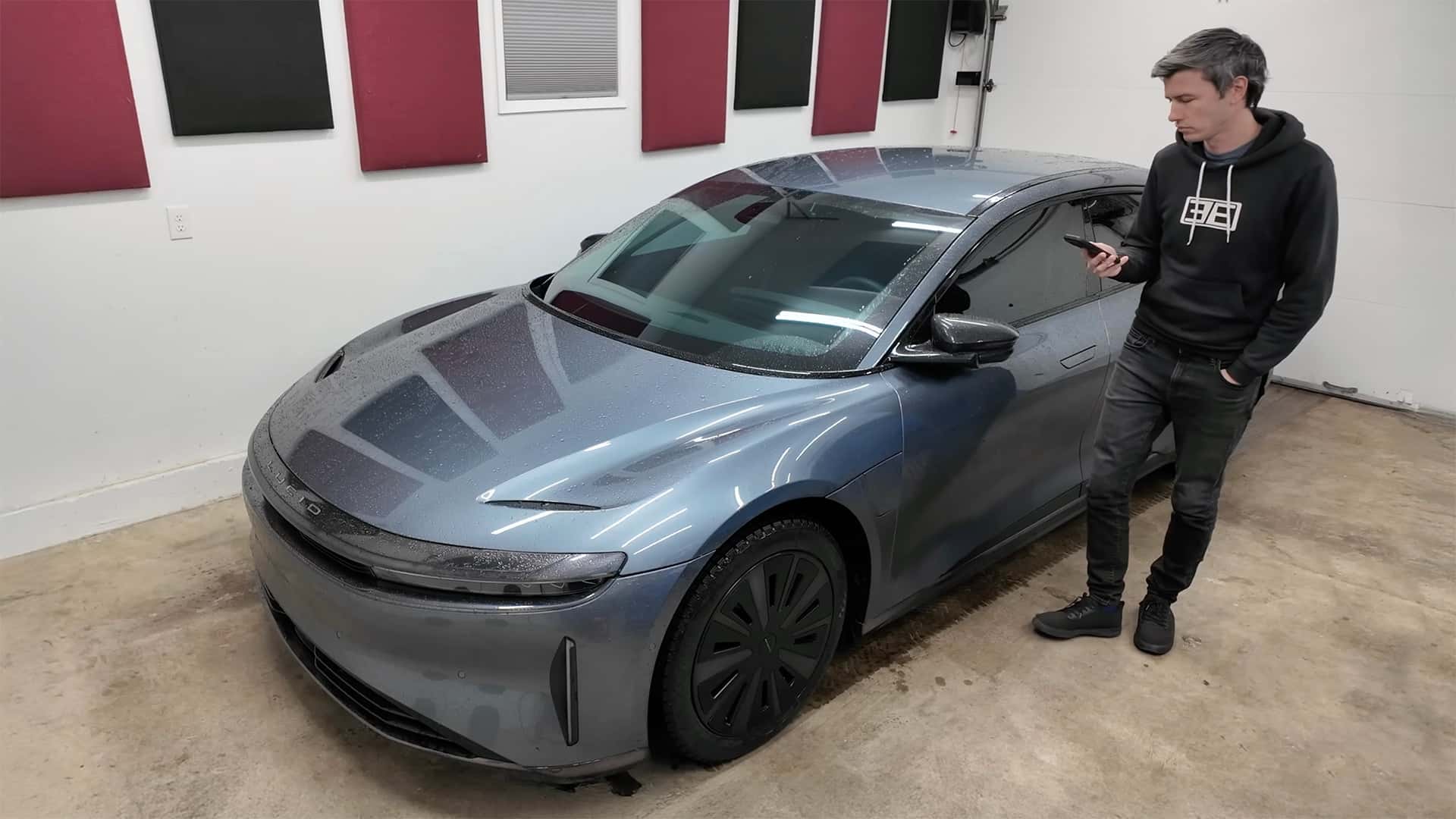
Photo · InsideEVs - Articles
There's a piece circulating at InsideEVs right now about a Lucid Air Touring that behaved less like a car and more like a haunted house on wheels. The writer describes software faults so frequent and bizarre they stopped feeling like glitches and started feeling like personality. Lucid eventually bought the car back. That's the ending. And somehow, that ending is the most interesting part of the whole story.
Not because buybacks are rare — lemon laws exist for a reason — but because this one happened in the EV space, where the culture around ownership failure is still being written in real time.
The Software Problem Nobody Fully Admits
Every automaker making EVs right now is also in the software business whether they're ready for it or not. The hardware can be extraordinary — and by most accounts, the Air's engineering is — but the layer sitting on top of it is where things unravel. Software controls everything: range estimates, drive modes, over-the-air updates, infotainment, driver assistance. When it misfires, it doesn't just annoy you. It undermines the entire premise of the car.
What makes the InsideEVs piece worth sitting with isn't the specific list of faults — though they paint a vivid picture of ownership anxiety — it's the implicit admission underneath it. That a car positioned at the top of the EV market, priced to compete with established German sedans, can still ship with software instability serious enough to trigger a buyback. That's not a one-off. That's a structural condition of this industry right now, dressed up in range figures and gorgeous interior photos.
Lucid isn't alone in this. They're just the one who got caught on record this week.
What the Buyback Actually Signals
Here's what I keep thinking about: the buyback happened. The owner pushed, documented, and eventually got resolution. That matters more than it should, because for a long time, the implicit agreement in early EV ownership was that you accepted some chaos as the price of being early. You were a beta tester with a car payment. The bugs would get fixed. Eventually.
That agreement is expiring. Owners of expensive EVs — cars that cost as much as a starter home in some markets — are less and less willing to absorb the cost of an industry still figuring itself out. And lemon law or not, the fact that Lucid completed this buyback is a signal. Pressure works. Documentation works. Knowing your rights works.
The Air Touring in this story wasn't a cheap experiment. It was someone's primary vehicle, bought in good faith, and it spent a significant portion of its ownership life behaving unpredictably. The writer at InsideEVs frames it through the lens of one car's troubled life, but the subtext is structural: software accountability in EVs is not yet a given. It has to be fought for.
That's a strange place to be with a product this expensive.
Lucid makes a genuinely remarkable car on paper — the range numbers, the chassis, the interior ambition. None of that disappears because one Air had a bad time. But the story of that bad time is a useful corrective to the way these cars get written about during launch week, when the lighting is good and the test routes are clean and nobody's asking what happens when the update bricks your climate control in January.
The luxury EV buyer of 2025 isn't an enthusiast taking a flier on something unproven. They're paying flagship money and expecting flagship outcomes. When those outcomes don't materialize, they're starting to act like it.
Which means automakers are going to have to start acting like it too.
Keep reading cars.

800 Horsepower, One Ton of Doubt
Lamborghini built the most powerful SUV it's ever made. It's also slower than what it replaced.

£11,990 Draws a Line Under Every Excuse You Had Left
Dacia just made the cheapest new car in Britain electric — and that's not a footnote, it's a verdict.
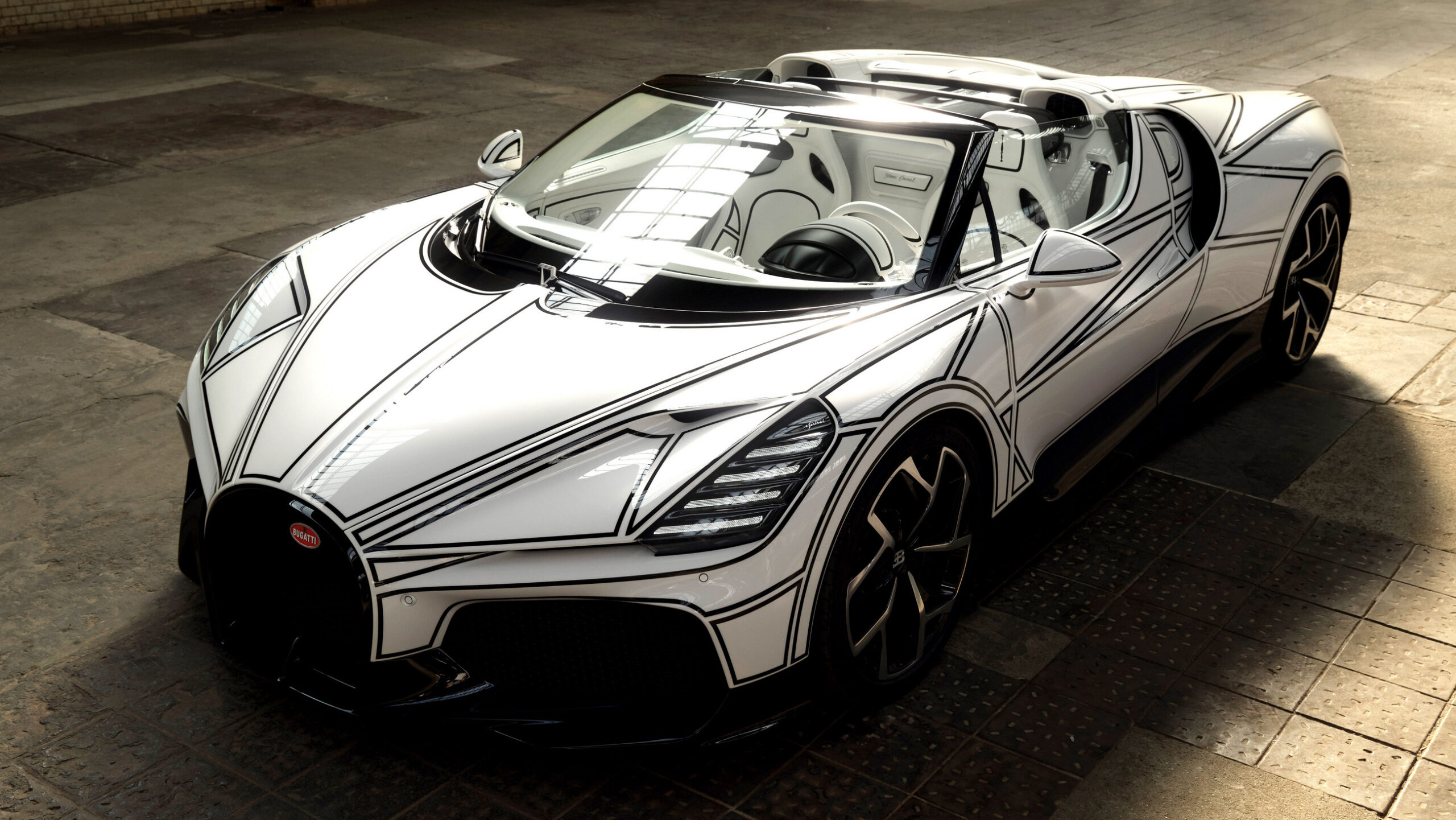
Blanc Éternel Hides Its Speed Behind a Gas Cap
Bugatti built a 261-mph roadster and made sure you'd notice the porcelain first.
From the other desks.

Gold Leaf on a Lacquer Dial, and the Weight of What That Costs
Awake's Frosted Leaf Royal Blue asks a question Vietnamese craft has never quite had to answer at this price.

ESPN Named Him. Then Unnamed Him. Nobody's Explaining the Gap.
A retraction without a reckoning is just a deleted link.

Hide My Email Has Been Showing Your Email
Apple's privacy flagship has a hole in it. They've known for over a year.