Nobody's Giving Ground in 2026, and the Season Hasn't Even Started Meaning It Yet
Five drivers, five agendas, and a grid-wide admission that restraint is a luxury none of them can afford.
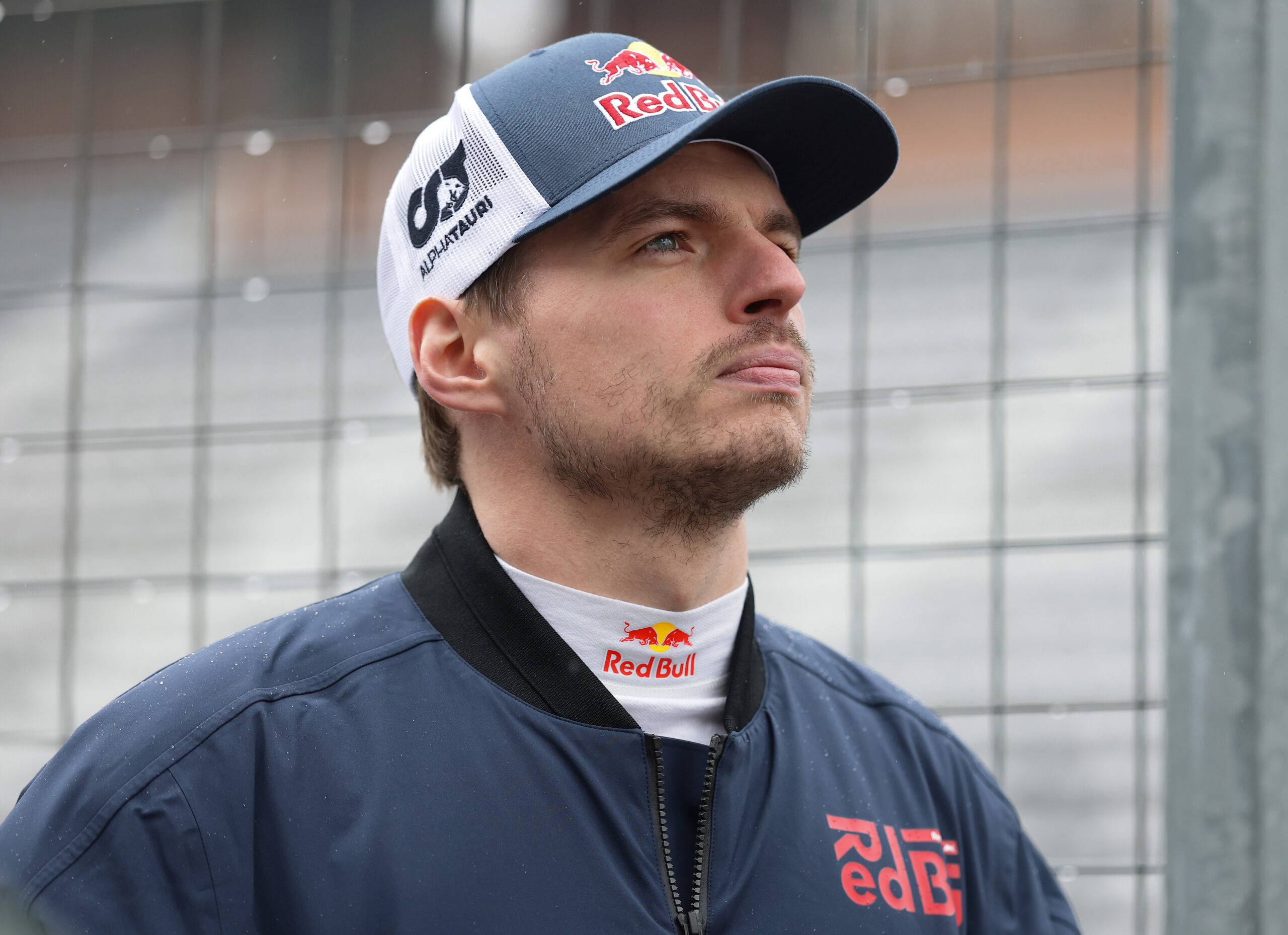
Photo · MotorBiscuit
The Warmup Isn't a Warmup Anymore
Picture a sprint race. Forty minutes, half points, a footnote on a grand prix weekend. The kind of session that's supposed to sort itself out without anyone doing anything they'll regret. George Russell wins it at Circuit Gilles Villeneuve — clean, controlled, first across the line. And then, almost as an afterthought, he explains what he'd do if his own teammate came for him.
"I'm not just going to wave somebody by."
Five words. No asterisk. No diplomatic softening. Russell delivered them about Kimi Antonelli — the kid Mercedes has been grooming, the young gun who started pressing hard around lap five, attacking from the outside and forcing a response. According to reporting from MotorBiscuit, Russell held his ground and made sure everyone in the paddock heard exactly what that meant going forward. Not hostility. Not politics. Just the plainest possible version of the truth: this is a fight, and being teammates doesn't change the geometry of a corner.
That moment — one sprint race, one frank sentence — is the smallest possible version of what's happening across the entire 2026 grid. Compress it out to the full season and you get something harder to ignore: the competition is so dense, the margins so narrow, that even the people on the same side of the garage can't afford to blink.
The Chassis Is Fast. The Straight Isn't.
Lewis Hamilton arrived at Ferrari and, by his own accounting, found something real. The SF-26 is fast through corners. The aerodynamics are among the best on the grid. Hamilton has publicly called it the car to beat — with one caveat he didn't bury: straightline speed is holding it back. The chassis earns its reputation and then bleeds it out on every long run between braking zones.
That tension — extraordinary in one dimension, exposed in another — is not a small problem. In a year when every tenth matters, a power deficit on the straights is the kind of thing that converts pole positions into second-place finishes. Hamilton knows this. He's saying it openly, which tells you something about where the confidence actually sits: in the engineers at Maranello who he believes can close the gap, not in pretending the gap doesn't exist.
There's a kind of clarity to it that feels different from the usual paddock posturing. He's not managing expectations downward. He's not overpromising. He's identifying the problem out loud, in public, which is either very confident or very honest, and at this point in his career those two things might be the same.
Meanwhile, McLaren's Andrea Stella watched Mercedes show up in Montreal with the largest upgrade package of the weekend — the Silver Arrows sitting on an 86-point Constructors' lead and still pushing harder — and described himself as "encouraged" by how McLaren held its position. Not victorious. Not threatened. Encouraged. That's a man reading a pressure test and liking what he sees in the data, even when the scoreboard doesn't reflect it yet.
What Verstappen Is Actually Saying
And then there's Max Verstappen, who has never been subtle about what he wants and has now extended that directness to the question of his own future. The message, reported by MotorBiscuit drawing on comments to The Race, is essentially contractual: change the 2027 regulations or he's done after 2026. Not a negotiating position delivered through an agent. A public statement, attached to his name, with a timeline.
It's easy to read this as brinkmanship. It probably is, at least partly. But underneath the leverage play is something worth sitting with — a driver at the absolute peak of his craft looking at the rule cycle ahead and deciding that the shape of the competition matters as much as whether he's in it. He's not threatening to quit because he's losing. He's threatening to quit because of what winning might look like in a future he hasn't agreed to yet.
That's a very specific kind of ambition. Not just to win, but to win on terms worth caring about.
Before the Season Knows It's Started
I keep coming back to what all of this actually adds up to. Five drivers, five public statements, five different flavors of not backing down — and the season still has most of its races ahead. Hamilton is naming Ferrari's weakness because he trusts the team to fix it. Russell is warning his own teammate that proximity doesn't mean deference. Verstappen is drawing a line around his own future and daring the sport to step over it. Stella is sitting on a deficit and calling it data.
None of these are the moves of people playing conservatively. None of them are holding anything back for a later moment when the stakes feel higher. The stakes already feel higher. The 2026 grid is one of those rare configurations where the competitive field is genuinely compressed — where upgrades in Montreal matter, where a sprint incident gets steward review, where a teammate pressing on lap five forces a philosophical declaration about teamwork and competition.
Hamilton escaped penalty from the Canadian GP Sprint after stewards ruled he gained no lasting advantage at Turn 13. A footnote in the official record. Not a footnote in the season's emerging narrative, which is that every incident is being scrutinized, every corner contested, every relationship tested.
The title fight started before anyone called it that. The drivers already know. They're just being honest about it now — each in their own register, each in their own way, each with nothing left to hedge.
Keep reading cars.

800 Horsepower, One Ton of Doubt
Lamborghini built the most powerful SUV it's ever made. It's also slower than what it replaced.

£11,990 Draws a Line Under Every Excuse You Had Left
Dacia just made the cheapest new car in Britain electric — and that's not a footnote, it's a verdict.

Blanc Éternel Hides Its Speed Behind a Gas Cap
Bugatti built a 261-mph roadster and made sure you'd notice the porcelain first.
From the other desks.

Gold Leaf on a Lacquer Dial, and the Weight of What That Costs
Awake's Frosted Leaf Royal Blue asks a question Vietnamese craft has never quite had to answer at this price.

ESPN Named Him. Then Unnamed Him. Nobody's Explaining the Gap.
A retraction without a reckoning is just a deleted link.

Hide My Email Has Been Showing Your Email
Apple's privacy flagship has a hole in it. They've known for over a year.