Porsche and Jaguar Both Walked Away From the Crowd
Two very different brands just made the same bet — that selling less is worth more.
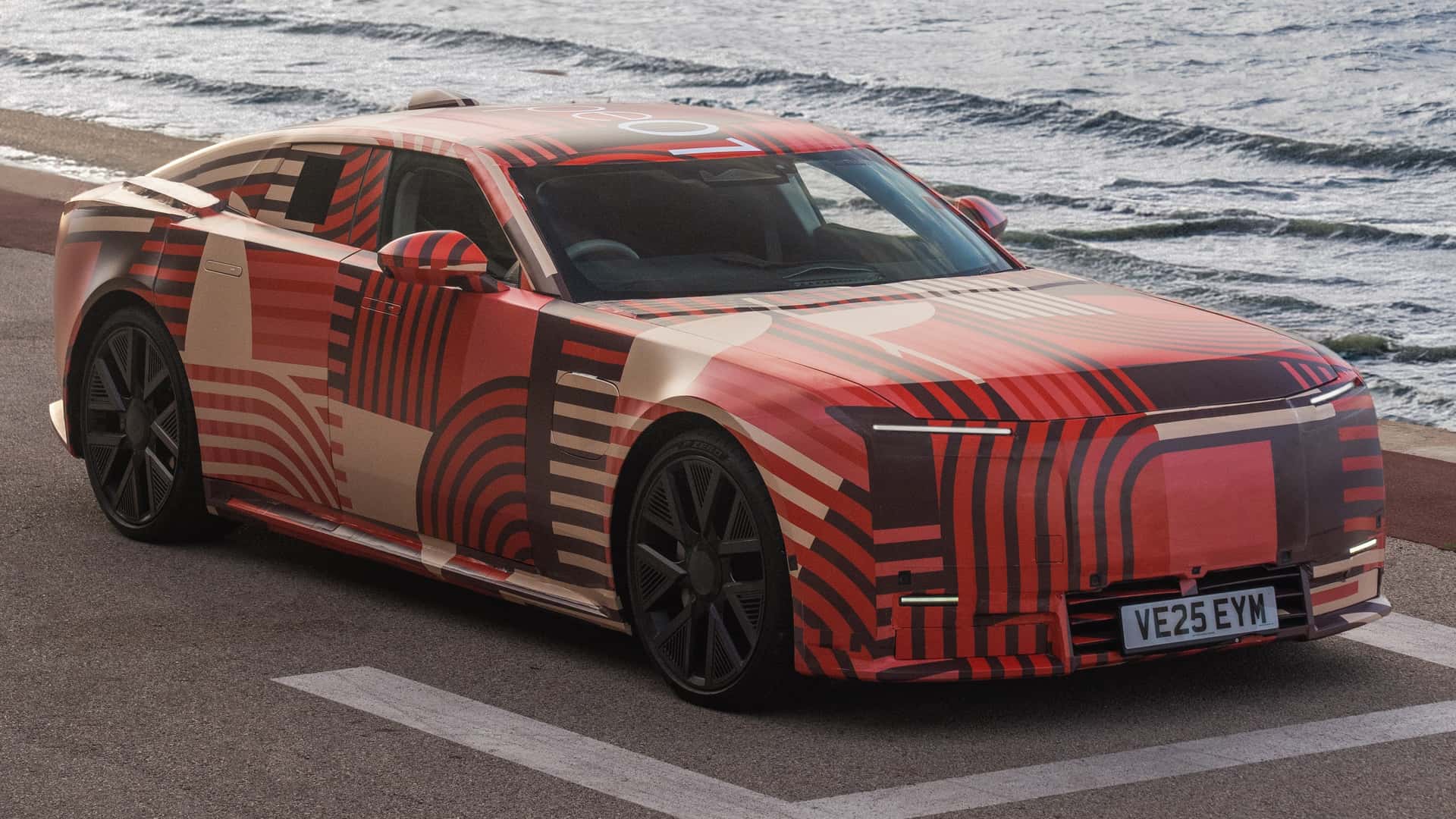
Photo · Motor1.com - Articles
The Shrinking Room
Picture a party where the host, somewhere around midnight, quietly stops refilling the glasses. Not because the bottle is empty. Because they've decided the room should be smaller.
That's roughly what's happening in two corners of the automotive world right now. Porsche, according to reporting from The Truth About Cars, is deliberately walking back production capacity — the CEO apparently willing to say out loud that fewer sales at better margins is the preferred direction. And Jaguar, per Motor1, isn't chasing volume at all anymore. The language being used over there is striking: a "niche part of a niche part." Not the mainstream. Not even the near-mainstream. A sliver of a sliver, and apparently proud of it.
These are not the same brand, not the same crisis, not the same history. But they've arrived at the same conclusion in the same window of time. That's not coincidence. That's a signal.
What Scale Was Always Hiding
For most of automotive history, volume was the proof of concept. You built more, you spread costs, you survived. Mass production wasn't just an economic strategy — it was the philosophical backbone of the whole industry. Henry Ford didn't want to sell a car to some people. He wanted to sell a car to everyone. And for decades, that logic held. Even the brands that positioned themselves above the crowd still measured success partly in how many units crossed the line.
What Porsche and Jaguar are now saying, each in their own register, is that the math has changed. Or maybe — and this feels more honest — that the math was always more complicated than the industry wanted to admit, and the current moment finally made that impossible to ignore. When Porsche's CEO starts talking about trimming capacity rather than chasing every available sale, that's not humility. That's a recalibration. The volume game costs something. It costs in warranty exposure, in fleet dilution, in brand erosion so gradual you don't notice it until a stranger asks why your badge used to mean something different.
Jaguar's framing is more dramatic — "niche part of a niche part" is not the language of a company that thinks it can thread back to the center. It's the language of a company that has looked at the center and decided the center isn't worth having.
Two Bets, One Direction
The interesting tension here is that Porsche is walking back from a position of relative strength and Jaguar is doing something more like a forced reinvention. One is choosing scarcity; the other may have scarcity chosen for it. And yet the destination looks similar from the outside: fewer cars, higher prices, thinner market exposure.
I keep coming back to the asymmetry in what this costs each of them. For Porsche, reducing volume while protecting margin is a refined version of what they've always done well. The risk is manageable — they're not abandoning a customer base so much as filtering it. For Jaguar, the "niche part of a niche part" bet is more existential. If the niche doesn't respond, there's no volume floor to fall back on. You don't get to be small and invisible. You just get to be small.
But here's what both moves share: they're a quiet admission that the old contract between automakers and the buying public — we'll make more of it, you'll keep buying it — has started to fray. The brands that flourished by selling to everyone are now looking at that everyone and wondering if it's still worth the cost of the relationship.
What the Industry Doesn't Want to Hear
The retreat from scale, if it spreads, is not a story about two brands getting clever. It's a story about what happens when the middle of the market stops being profitable enough to justify the exposure. Dealership networks, supply chain commitments, warranty infrastructure, parts availability — all of that is built on assumptions of volume. When the brands at the higher end start pulling back, the pressure doesn't disappear. It redistributes.
And then there's the question that neither press release quite answers: who fills the space they're leaving? If Porsche makes fewer cars and Jaguar becomes a rarefied thing, the customers who were almost in that market don't evaporate. They go somewhere. Maybe they go to brands that have decided the volume game is still worth playing. Maybe they go to brands we haven't fully accounted for yet.
Or maybe they just stop. Stop reaching. Stop upgrading. Decide that the brands they admired have quietly closed the door behind them and aren't looking back.
That's the part worth sitting with — not whether Porsche's margins improve, not whether Jaguar's reinvention lands. The part worth sitting with is what it means when the aspirational ceiling of an industry starts deliberately raising itself out of reach, and whether the people left on the outside eventually stop looking up.
Keep reading cars.

800 Horsepower, One Ton of Doubt
Lamborghini built the most powerful SUV it's ever made. It's also slower than what it replaced.

£11,990 Draws a Line Under Every Excuse You Had Left
Dacia just made the cheapest new car in Britain electric — and that's not a footnote, it's a verdict.

Blanc Éternel Hides Its Speed Behind a Gas Cap
Bugatti built a 261-mph roadster and made sure you'd notice the porcelain first.
From the other desks.

Gold Leaf on a Lacquer Dial, and the Weight of What That Costs
Awake's Frosted Leaf Royal Blue asks a question Vietnamese craft has never quite had to answer at this price.

ESPN Named Him. Then Unnamed Him. Nobody's Explaining the Gap.
A retraction without a reckoning is just a deleted link.

Hide My Email Has Been Showing Your Email
Apple's privacy flagship has a hole in it. They've known for over a year.