Ram Sold a Toyota on a Ram Shirt and Nobody Caught It
AI-generated merch just handed a competitor free advertising on a patriotic tee.
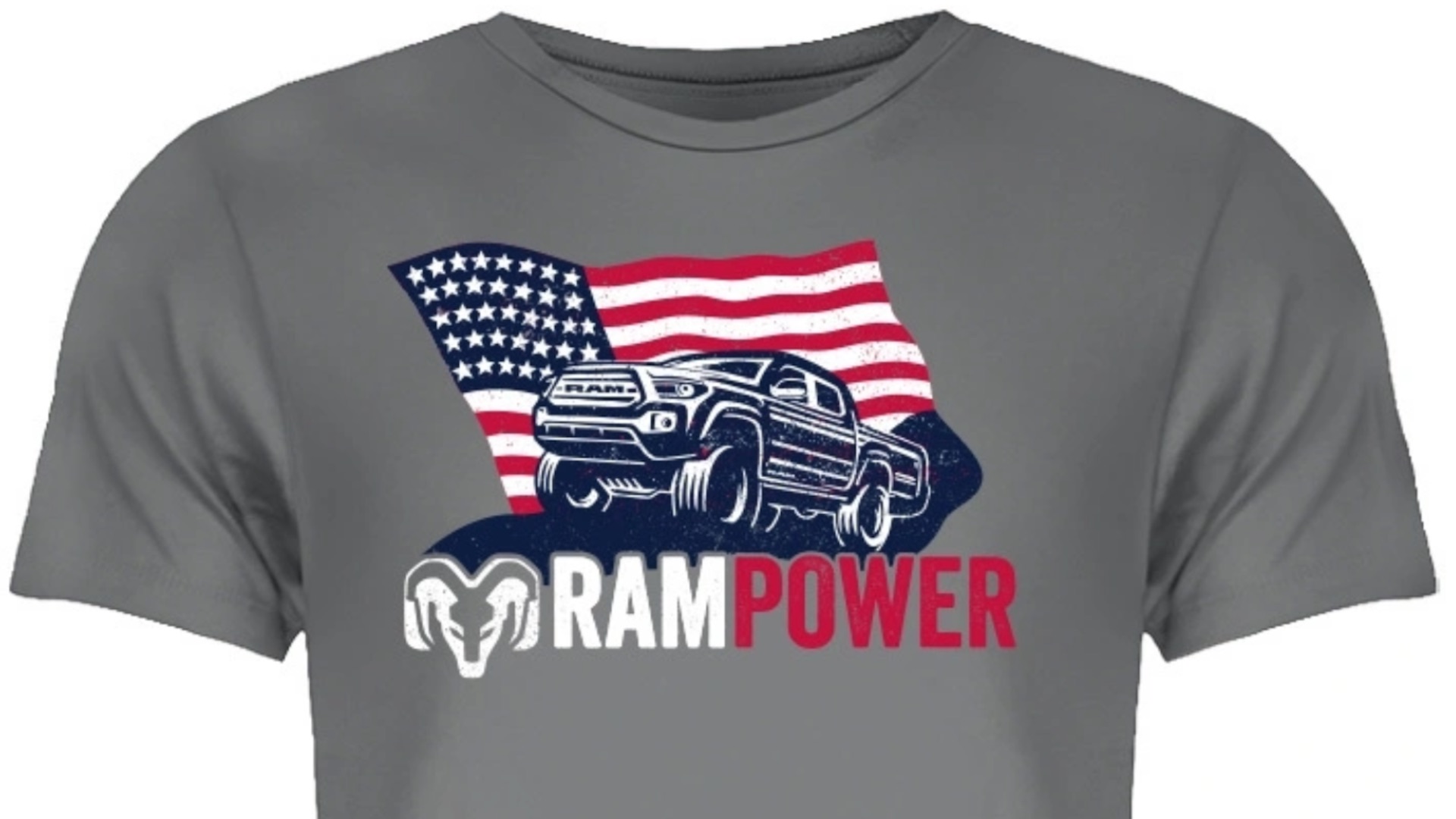
Photo · The Drive
When the Algorithm Doesn't Know Your Own Truck
Somewhere between the prompt and the print run, Ram's AI forgot which truck it was supposed to be celebrating. The brand released a patriotic t-shirt — the kind of merchandise that lives on highway exit ramps and county fair tables — and the truck printed on it wasn't a Ram. It was a Tacoma. Toyota's Tacoma. On a Ram shirt. With a mangled American flag in the background for good measure.
Both The Drive and Motor1 caught it, and the reaction from both outlets landed somewhere between disbelief and amusement. Motor1 framed it plainly: unless there's some rebadging deal nobody announced, this can't be right. The Drive noted the botched flag alongside the wrong truck, which means the AI failed twice in one image — once on brand identity, once on national iconography.
That's a specific kind of bad. Not catastrophic. Not a recall. But embarrassing in a way that sticks, because it reveals something about the entire production chain: nobody looked at this before it went live.
Speed as a Liability
The AI didn't cause the problem. The assumption that AI output doesn't need a second set of human eyes did.
This is where the story gets bigger than one bad shirt. The whole pitch of AI-generated creative is velocity — faster assets, lower cost, infinite variations. You can flood a merch store with patriotic designs for every holiday, every regional market, every product line. The economics are hard to argue with until the Tacoma shows up on your Ram tee.
When you remove the friction from production, you also remove the moment where someone stops and asks: does this look right? That pause — the one that feels like inefficiency — is actually doing something. It's the last line of quality control before a thing exists in the world with your brand name on it.
Ram isn't alone in this exposure. Any brand moving fast on AI-generated content is one hallucinated detail away from the same situation. A wrong logo. A wrong skyline. A competitor's product wearing your colors. The algorithm doesn't have brand loyalty. It doesn't know the difference between a Ram 1500 and a Tacoma at the level that matters — which is the level of this is our identity, not theirs.
What makes the Ram case sting specifically is the context. A patriotic shirt is a values statement as much as a product. It's meant to signal something — American pride, truck culture, brand loyalty baked into fabric. And the AI responded by generating a Japanese-brand truck and a distorted flag. The symbolism wrote itself, and nobody in the approval chain caught it before the internet did.
There's a version of this story where it's just funny. Ram prints a correction, the shirts disappear, everyone moves on. But there's a more uncomfortable version where it's a preview. If the pipeline is fast enough that this slips through, what else slips through? What else is already out there?
Speed is a feature until it isn't. Then it's a Tacoma on your shirt.
Keep reading cars.

800 Horsepower, One Ton of Doubt
Lamborghini built the most powerful SUV it's ever made. It's also slower than what it replaced.

£11,990 Draws a Line Under Every Excuse You Had Left
Dacia just made the cheapest new car in Britain electric — and that's not a footnote, it's a verdict.
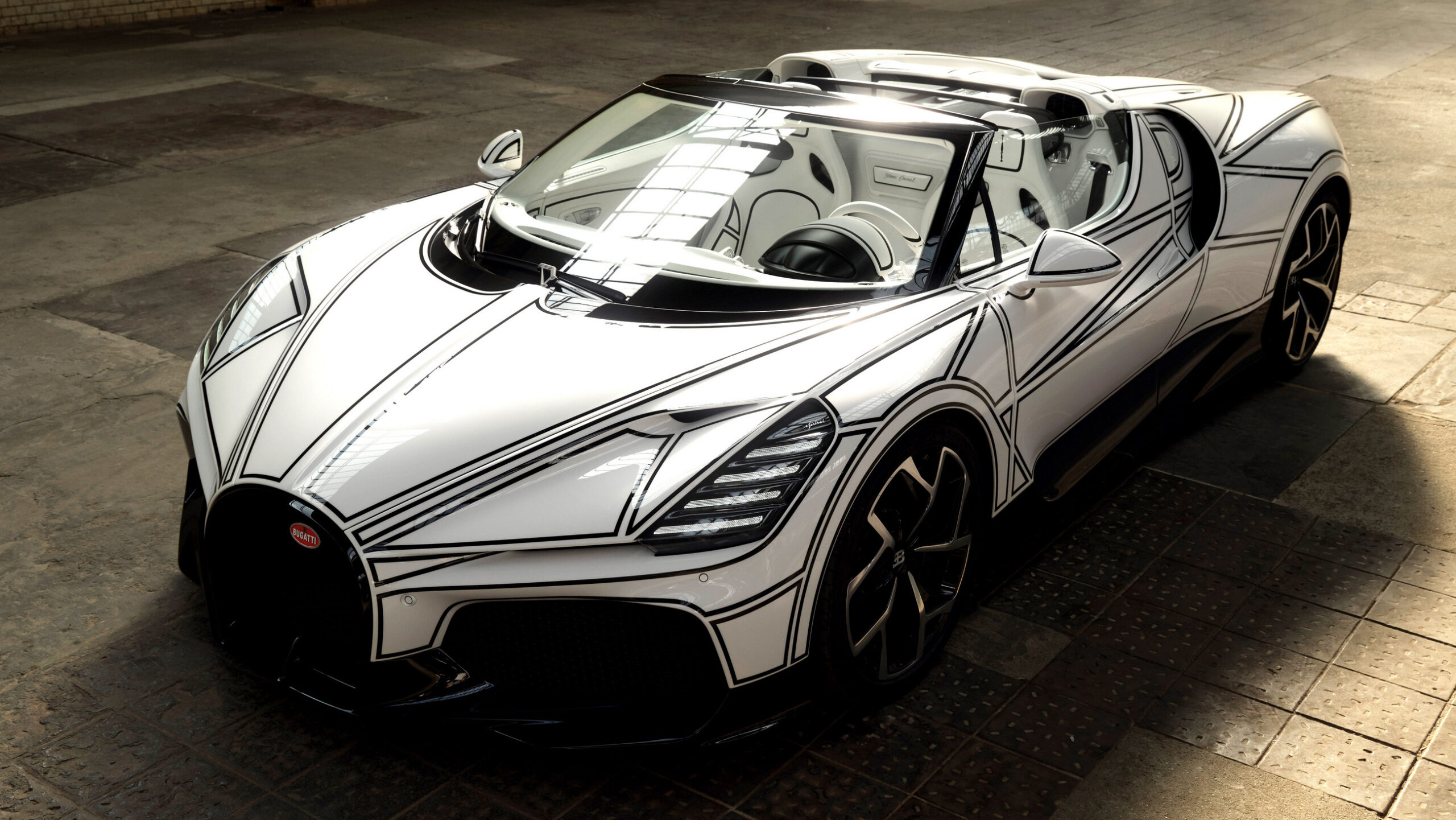
Blanc Éternel Hides Its Speed Behind a Gas Cap
Bugatti built a 261-mph roadster and made sure you'd notice the porcelain first.
From the other desks.

Gold Leaf on a Lacquer Dial, and the Weight of What That Costs
Awake's Frosted Leaf Royal Blue asks a question Vietnamese craft has never quite had to answer at this price.

ESPN Named Him. Then Unnamed Him. Nobody's Explaining the Gap.
A retraction without a reckoning is just a deleted link.

Hide My Email Has Been Showing Your Email
Apple's privacy flagship has a hole in it. They've known for over a year.