Sequoia Owners Paid $1,623 More to Fill Up. EV Owners Paid $11.
The numbers are finally in. They're damning for trucks — and somehow for the whole fuel-economy argument too.
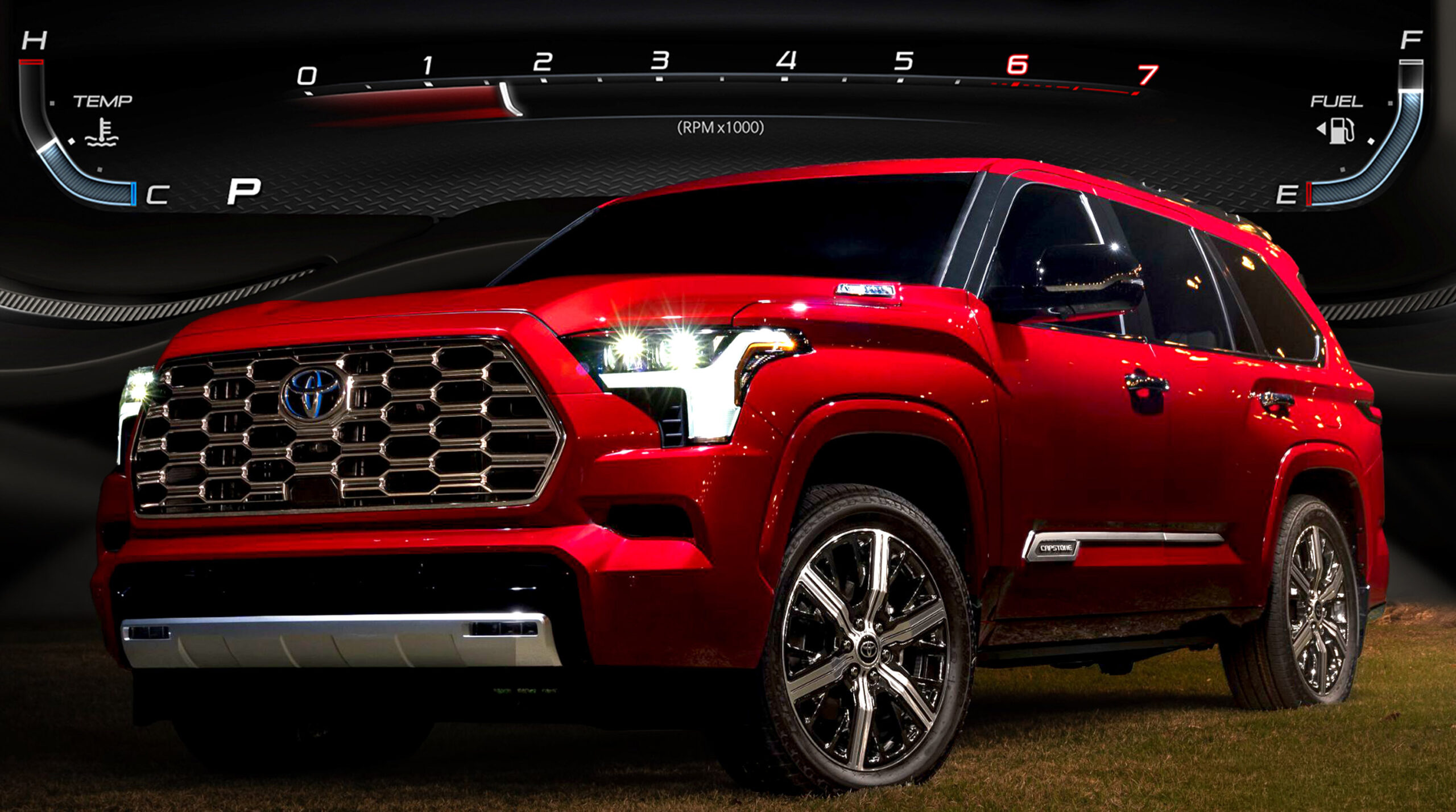
Photo · Carscoops
The Number That Shouldn't Surprise Anyone
Carscoops has laid it out cleanly: EV owners absorbed $11 more in energy costs this year. Sequoia owners paid $1,623 more to fill the same tank they drove last year. Those two figures sit in the same sentence, and the discomfort that follows isn't really about trucks. It's about what we've been pretending to argue about for a decade.
The gap is almost embarrassing in its clarity. Full-size SUVs and minivans — the segment that took some of the largest ownership-cost jumps this year — have been sold to American buyers on the implicit promise that they're practical. Capable. Worth it. And they might be. But "worth it" has never been a math problem for the people writing those checks. If it were, the Sequoia wouldn't exist. Not at these numbers.
Fuel Economy Was Always a Side Argument
Here's what that $1,623 figure actually exposes: the fuel economy debate has functioned less as a consumer-protection argument and more as a rhetorical device. EV advocates point to gas prices. Truck buyers shrug. Gas prices spike — dramatically, in ways that would reshape behavior in any other spending category — and full-size SUV sales hold. They always hold.
That's not irrationality. That's revealed preference. People who buy a Sequoia aren't buying transportation. They're buying a statement about their life — its size, its demands, its refusal to be inconvenienced by anyone else's agenda. The fuel bill is a subscription cost for an identity, and identities don't get canceled because of a $1,623 annual adjustment.
The EV side of this equation is almost too tidy to be useful. Eleven dollars is barely a rounding error. It proves that electric ownership insulates you from fuel-price volatility — a genuinely useful fact — but it doesn't prove that EVs are winning the argument. It proves the argument was never quite what we thought it was.
What's interesting about a writer at Carscoops staking this out right now is the timing. Gas prices have moved enough to generate real, meaningful dollar differences across vehicle segments. The data finally exists in a form that's legible to a general audience. And still — still — the conclusion you're left with isn't "therefore people will switch." It's "therefore the people who were going to switch already did, and everyone else knew the price of their choice and signed anyway."
The ownership-cost argument has a number now. It's $1,612. That's the distance between two kinds of buyer. And that distance, it turns out, is a canyon — not because of the money, but because of everything the money represents about who you think you are and what you think a vehicle owes you.
Fuel economy was always the polite version of a much older fight.
Keep reading cars.

800 Horsepower, One Ton of Doubt
Lamborghini built the most powerful SUV it's ever made. It's also slower than what it replaced.

£11,990 Draws a Line Under Every Excuse You Had Left
Dacia just made the cheapest new car in Britain electric — and that's not a footnote, it's a verdict.

Blanc Éternel Hides Its Speed Behind a Gas Cap
Bugatti built a 261-mph roadster and made sure you'd notice the porcelain first.
From the other desks.

Gold Leaf on a Lacquer Dial, and the Weight of What That Costs
Awake's Frosted Leaf Royal Blue asks a question Vietnamese craft has never quite had to answer at this price.

ESPN Named Him. Then Unnamed Him. Nobody's Explaining the Gap.
A retraction without a reckoning is just a deleted link.

Hide My Email Has Been Showing Your Email
Apple's privacy flagship has a hole in it. They've known for over a year.