Six of Ten. Read That Again.
Japanese automakers now dominate the most American-made vehicles list, and the only honest response is to stop pretending the old categories mean anything.
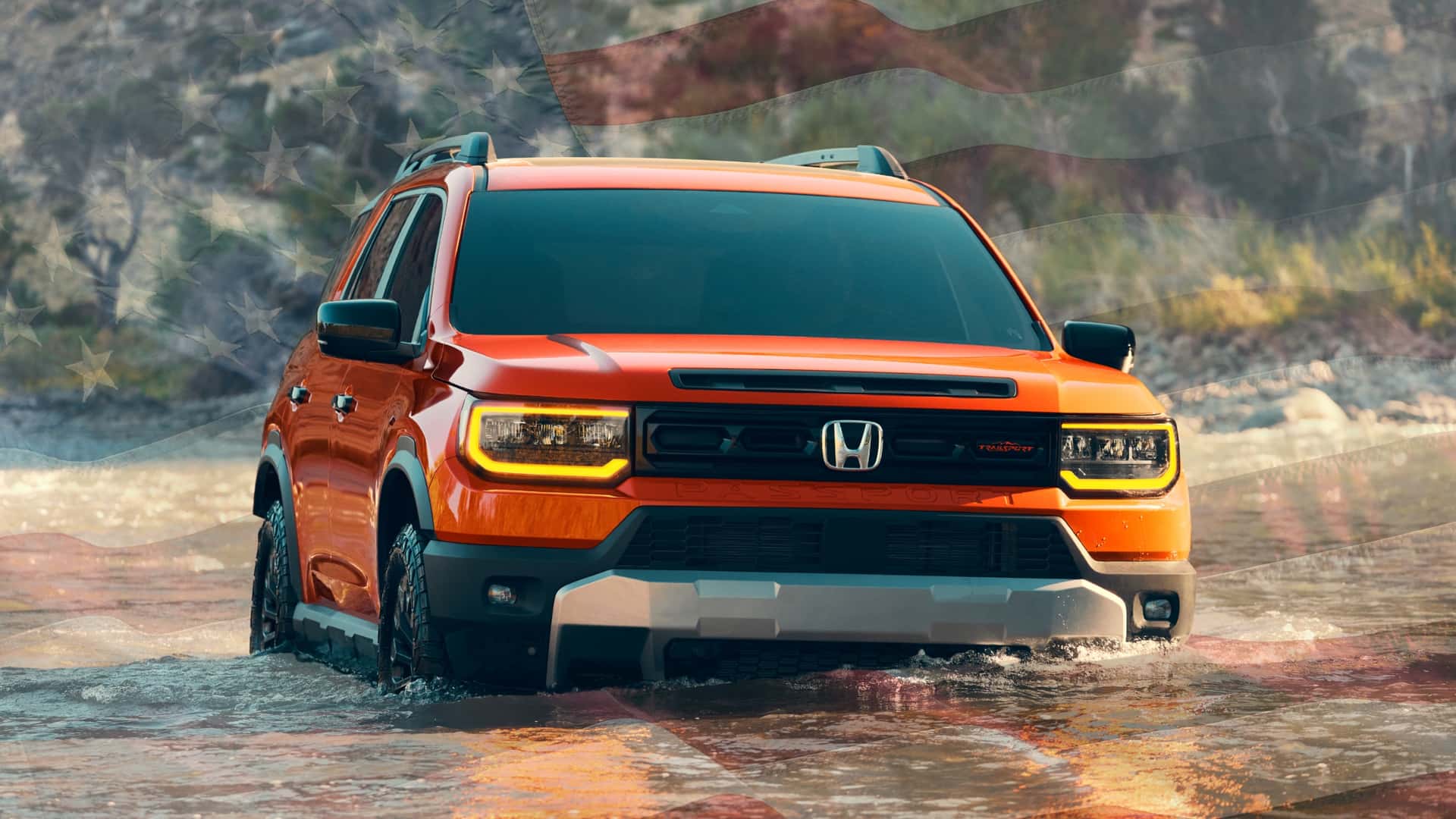
Photo · Motor1.com - Articles
There's a list. It ranks vehicles by how much of them — parts, labor, assembly — actually happens on American soil. Motor1 wrote about it this week, and buried inside the data is something that should rearrange a few assumptions: Japanese automakers now hold six of the top ten spots. Twelve of the top twenty. Meanwhile, Tesla dropped two positions.
Sit with that for a second.
The Flag on the Hood Was Always a Shortcut
For decades, 'American-made' has been wielded like a character judgment. Buy this, not that. Support these workers, not those. The brand name carried the moral weight, and the brand name was assumed to be the whole story. It wasn't. It never really was — but the gap between assumption and reality has quietly grown wide enough to drive a full-size pickup through.
What the Motor1 piece makes visible is that the actual answer to 'where is this thing made' has been drifting away from brand nationality for a long time. The question was always about geography — factories, supply chains, assembly lines, the hands that tighten the bolts. The answer, apparently, now points east of Detroit in terms of ownership, and squarely inside the United States in terms of where the work happens.
Six of ten. That's not a footnote. That's the story.
What Tesla's Slide Actually Signals
There's a particular irony in Tesla losing ground here. The brand that became synonymous with a certain kind of American futurism — disruptive, homegrown, loud about it — drops two spots on the list that measures the most literal form of American-made. Not the mythology. The manufacturing.
It doesn't make Tesla un-American. It makes the category more complicated than the mythology allowed. Which is uncomfortable for everyone who built an identity around the simpler version.
Japanese automakers building in American plants, employing American workers, sourcing American parts at rates that outpace the domestic competition — that's not a twist ending. That's just what happens when you follow the supply chain instead of the logo. The brands that planted factories here, expanded them, and sourced aggressively from domestic suppliers did the work. The list reflects the work.
The interesting question isn't why Japanese automakers are at the top. It's why we're still surprised. Brand loyalty runs deep, and so does the story we tell ourselves about what 'American' means when we're standing on a car lot. But a vehicle built in Ohio is built in Ohio regardless of what language the boardroom conducts its meetings in.
The list doesn't lie. The branding sometimes does.
What you drive is built somewhere by someone — and that somewhere, increasingly, is right here, just under a nameplate that doesn't fit the old story.
Keep reading cars.

800 Horsepower, One Ton of Doubt
Lamborghini built the most powerful SUV it's ever made. It's also slower than what it replaced.

£11,990 Draws a Line Under Every Excuse You Had Left
Dacia just made the cheapest new car in Britain electric — and that's not a footnote, it's a verdict.
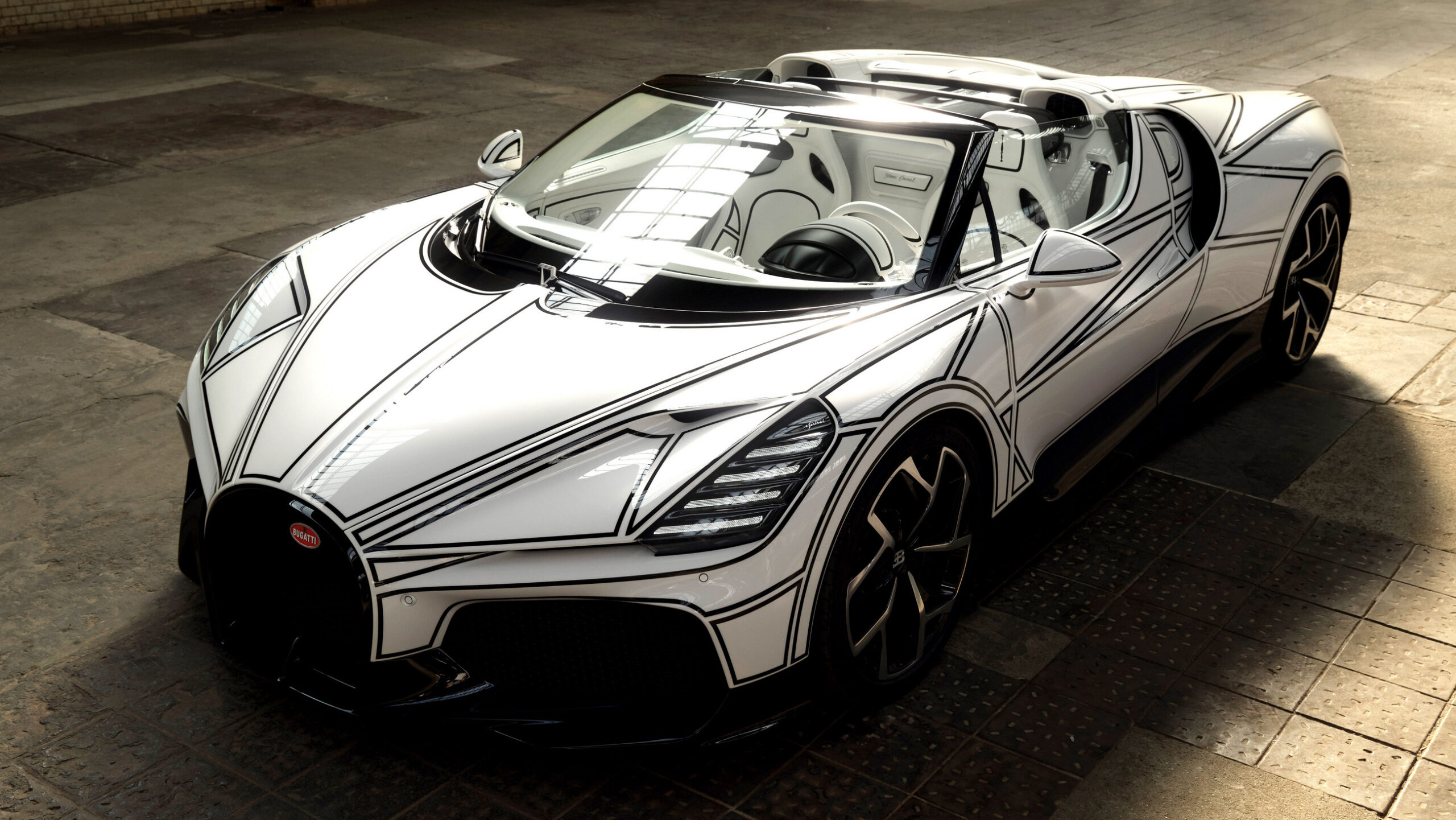
Blanc Éternel Hides Its Speed Behind a Gas Cap
Bugatti built a 261-mph roadster and made sure you'd notice the porcelain first.
From the other desks.

Gold Leaf on a Lacquer Dial, and the Weight of What That Costs
Awake's Frosted Leaf Royal Blue asks a question Vietnamese craft has never quite had to answer at this price.

ESPN Named Him. Then Unnamed Him. Nobody's Explaining the Gap.
A retraction without a reckoning is just a deleted link.

Hide My Email Has Been Showing Your Email
Apple's privacy flagship has a hole in it. They've known for over a year.