The Quiet Hand McLaren Needed
Hiring a man who made a Mustang beautiful might be the smartest thing a supercar company has done in years.
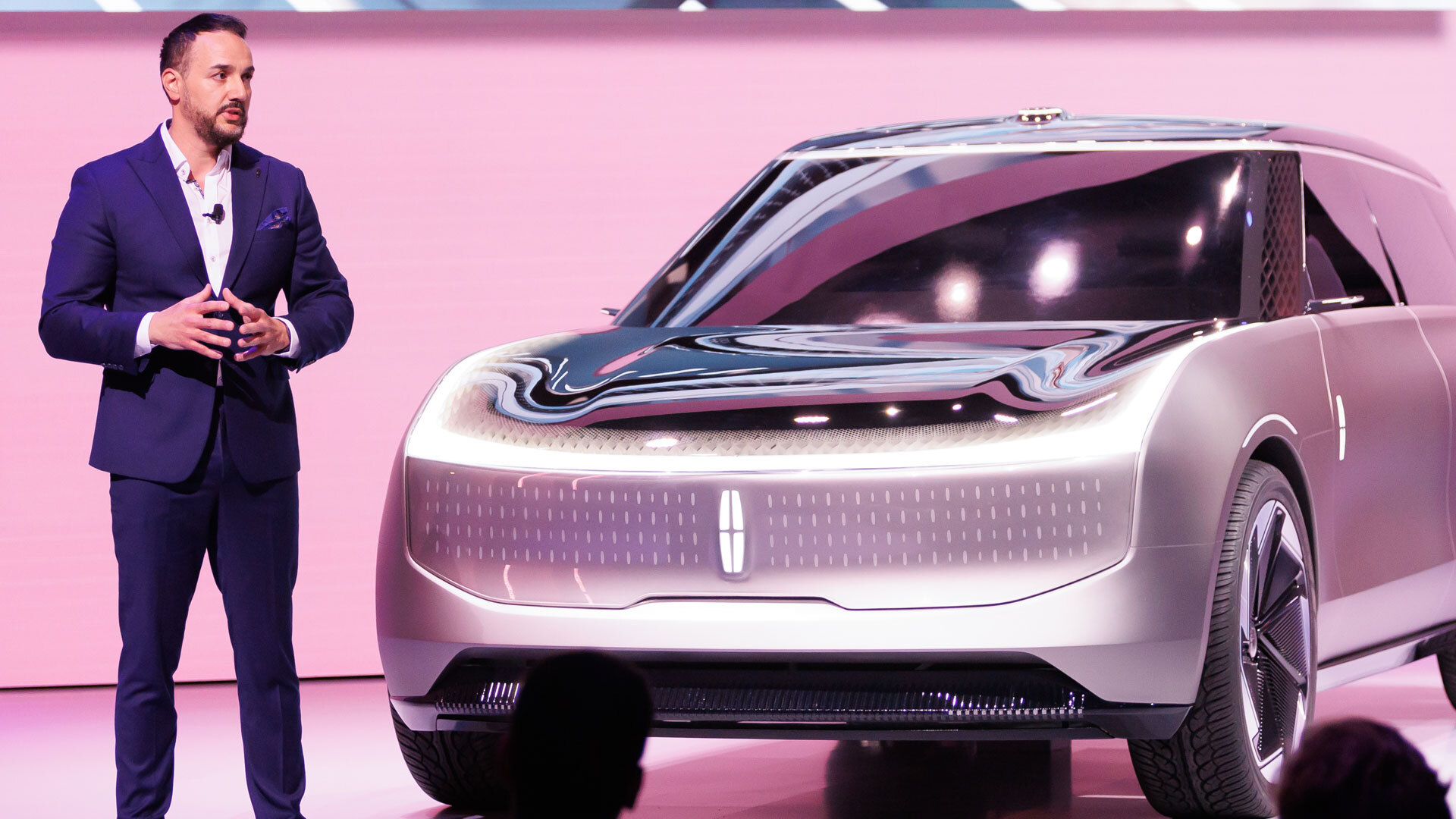
Photo · Carscoops
There's a version of this hire that sounds wrong on paper. McLaren — Woking, carbon tubs, cars that exist at the edge of physics — goes out and finds the man who shaped a Ford Mustang. A pony car. A thing you can buy at a dealership in Ohio.
Sit with that for a second, because it's actually the whole story.
What They're Really Saying
Kemal Curic spent two decades at Ford. He came up as an interior designer, worked on the Mk3 Focus, led the styling of the S550 Mustang, and most recently ran design for Lincoln — Ford's measured, restrained luxury arm. Both Carscoops and Autocar clock the breadth of that resume, and what strikes me reading them together isn't the horsepower pedigree. It's the range. Performance and restraint, in the same career, at the same company, over twenty years.
McLaren's previous design chief, Tobias Sühlmann, left for Porsche earlier this year after three years in the role, according to Autocar. Three years. That's barely enough time to see a full design cycle through. Whatever Sühlmann started, Curic inherits — and whatever direction McLaren was heading, this appointment is a signal that something needed to shift.
Hiring someone from Lincoln isn't a mistake. It's a thesis.
The Mustang Argument
The S550 Mustang is a useful object to think about here. It's a car that had to carry enormous cultural weight — decades of expectation, a fanbase that treats any deviation as betrayal — and it had to do it while actually looking good. Not aggressive-for-the-sake-of-it good. Actually, considered, proportionally honest good. That's a harder brief than it sounds. Aggression is easy. Restraint under pressure is not.
That's the muscle Curic is bringing to Woking.
McLarens have never lacked for drama. The engineering has always been there — the aero, the weight, the numbers that make you recalibrate what a car can do. What's been inconsistent is whether the body communicates all of that or just shouts over it. The best McLarens feel inevitable. Like the shape had no choice but to be that shape. The less successful ones feel like they're trying to remind you they're fast.
Curic's work suggests he knows the difference.
A New Era, Carefully Worded
Autocar notes that Curic is now stationed in Woking and will be responsible for shaping McLaren's design vision and creative direction going forward. That's the kind of corporate language that usually means very little. Here, I think it means something. McLaren is in a period of genuine transition — new models coming, a company finding its footing after a turbulent few years — and the person they chose to define what those cars look like spent his most recent years making a legacy American brand feel modern without losing itself.
That's not a coincidence. That's a brief.
The supercar world tends to hire from within its own mythology — designers who grew up sketching Lamborghinis, who came up through Italian studios, who speak the visual language of excess fluently. Curic is something different. He's a Bosnian-German designer who spent twenty years inside one of the world's largest automakers, learning how to make cars that millions of people would actually choose, not just admire.
McLaren doesn't need to be admired from a distance. It needs to be wanted.
The quiet hand was always the right call.
Keep reading cars.

800 Horsepower, One Ton of Doubt
Lamborghini built the most powerful SUV it's ever made. It's also slower than what it replaced.

£11,990 Draws a Line Under Every Excuse You Had Left
Dacia just made the cheapest new car in Britain electric — and that's not a footnote, it's a verdict.

Blanc Éternel Hides Its Speed Behind a Gas Cap
Bugatti built a 261-mph roadster and made sure you'd notice the porcelain first.
From the other desks.

Gold Leaf on a Lacquer Dial, and the Weight of What That Costs
Awake's Frosted Leaf Royal Blue asks a question Vietnamese craft has never quite had to answer at this price.

ESPN Named Him. Then Unnamed Him. Nobody's Explaining the Gap.
A retraction without a reckoning is just a deleted link.

Hide My Email Has Been Showing Your Email
Apple's privacy flagship has a hole in it. They've known for over a year.