Twelve Million Cars, No One to Love Them
A $570 billion inheritance is coming. The people receiving it mostly just want the cash.
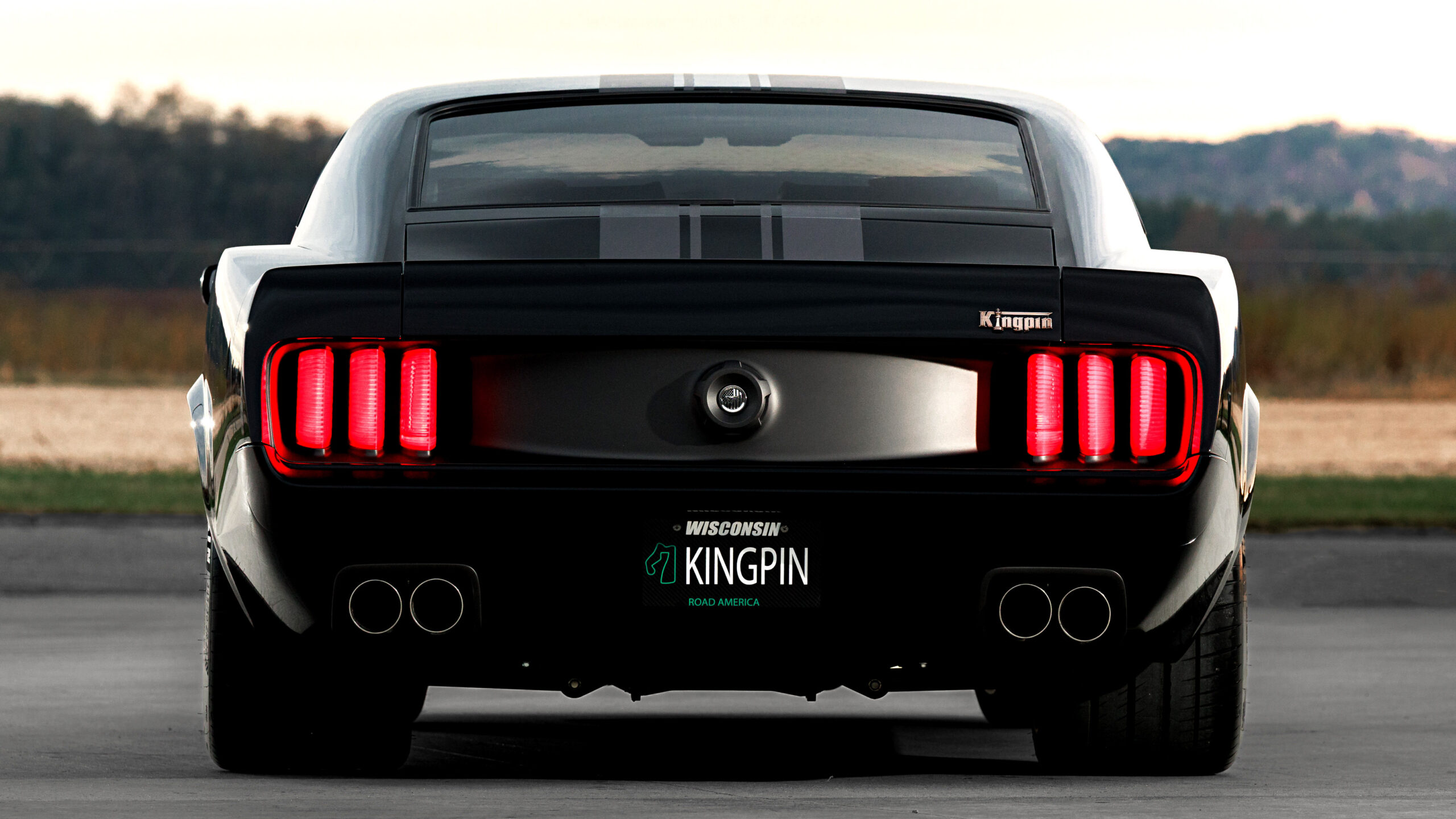
Photo · Carscoops
The Garage at the End of a Life
Picture the garage. You've been in one like it — maybe a grandfather's, maybe an uncle's. The smell hits first: old oil, rubber, something metallic and sweet underneath it all. A tarp covers something long and low in the corner. The fluorescent light flickers on and what you're looking at is forty years of devotion in steel and chrome, something a man spent weekends with, something that probably got more careful attention than most relationships did.
Now picture that same garage in fifteen years, when the estate lawyer shows up with a clipboard.
Carscoops has put a number to what a lot of people in the collector car world have been quietly dreading: over 12 million classic cars, valued at $570 billion, are expected to pass to heirs over the next decade and a half as the boomer generation ages out. It's one of the largest transfers of automotive wealth ever to move in a single generational wave. And the people on the receiving end, by most accounts, aren't particularly interested in what they're getting.
This is not a story about cars. Not really. It's a story about what we pass down when we pass things down, and whether love can be inherited at all.
What Boomers Built, and Why
The generation that built this collection came of age when cars were genuinely the most exciting technology available to a teenager with twenty dollars and a Saturday. The machines they fell for weren't just transportation — they were freedom in a literal, physical sense. A car meant you could leave. It meant you had somewhere to be. The emotional wiring happened early and ran deep.
Decades later, that wiring expressed itself as restoration projects, weekend shows, careful storage, annual insurance policies, specialized mechanics known only by first name. The cars became repositories for memory, identity, aspiration. They appreciated — financially and sentimentally — in parallel.
But the world those cars were built for doesn't exist anymore. And neither does the teenager who would have recognized them on sight.
I don't say this as criticism. I say it as someone who has stood in enough garages to understand what those machines meant — and who has also watched the eyes of people in their twenties and thirties glaze over at the mention of a carburetor. The cultural transmission simply didn't happen. It rarely does, when the passion is specific enough.
The Heir Problem
What Carscoops is surfacing — and what makes the piece worth sitting with — is the mechanical reality of what happens when a $570 billion asset class lands in the hands of people who see it as a burden rather than a birthright.
The heirs aren't villains here. They didn't ask for a 1960s muscle car that needs a specialist to keep running, that can't be driven in the rain without anxiety, that requires a certain kind of knowledge just to insure properly. They have student debt and subscription services and, in many cases, no garage at all. When you've grown up watching rides arrive on your phone in three minutes, the romance of mechanical ownership reads less like freedom and more like obligation.
So what happens to the cars? Some will sell quickly, flooding the market and softening prices for everything in their class. Some will sit, slowly degrading in storage units paid for by heirs who can't quite bring themselves to let go but can't quite care for them either. A few will find new owners who actually want them — collectors in their fifties and sixties, international buyers, the occasional younger enthusiast who came to the culture through a video game or a film and followed the thread all the way to a real machine.
But 12 million cars is a lot of thread to follow.
When Nostalgia Runs Out of Road
There's a version of this story that's pure economics — supply shock, market softening, collector values declining as the buyer pool ages. That version is probably accurate and is probably already being modeled by people at auction houses and insurance companies.
The version I keep coming back to is quieter and sadder and more human.
Every one of those 12 million cars has a story attached to it. A first drive, a road trip, a restoration that took three winters. Somebody's hands rebuilt that engine. Somebody's Saturday mornings live in that paint job. The financial value is real, but it's almost beside the point — what's actually being lost is the context that made the object meaningful. You can sell a car. You cannot sell the reason someone loved it.
And that's the thing about nostalgia: it doesn't transfer. It can't be deeded. You can put a car in a will but you cannot put the feeling of driving it in 1971 into the document alongside it.
Generations do this with everything — houses, jewelry, art, land. The objects survive. The meaning usually doesn't. What's unusual about cars is the scale of the reckoning, and the speed at which it's arriving.
Somewhere right now, a man in his late seventies is in that garage, running a chamois over a hood he's touched a thousand times, not yet thinking about what comes next. The car gleams. The light flickers. The smell is exactly what it always was.
His kids live in apartments. They take Ubers.
The clock, as it turns out, was always running.
Keep reading cars.

800 Horsepower, One Ton of Doubt
Lamborghini built the most powerful SUV it's ever made. It's also slower than what it replaced.

£11,990 Draws a Line Under Every Excuse You Had Left
Dacia just made the cheapest new car in Britain electric — and that's not a footnote, it's a verdict.
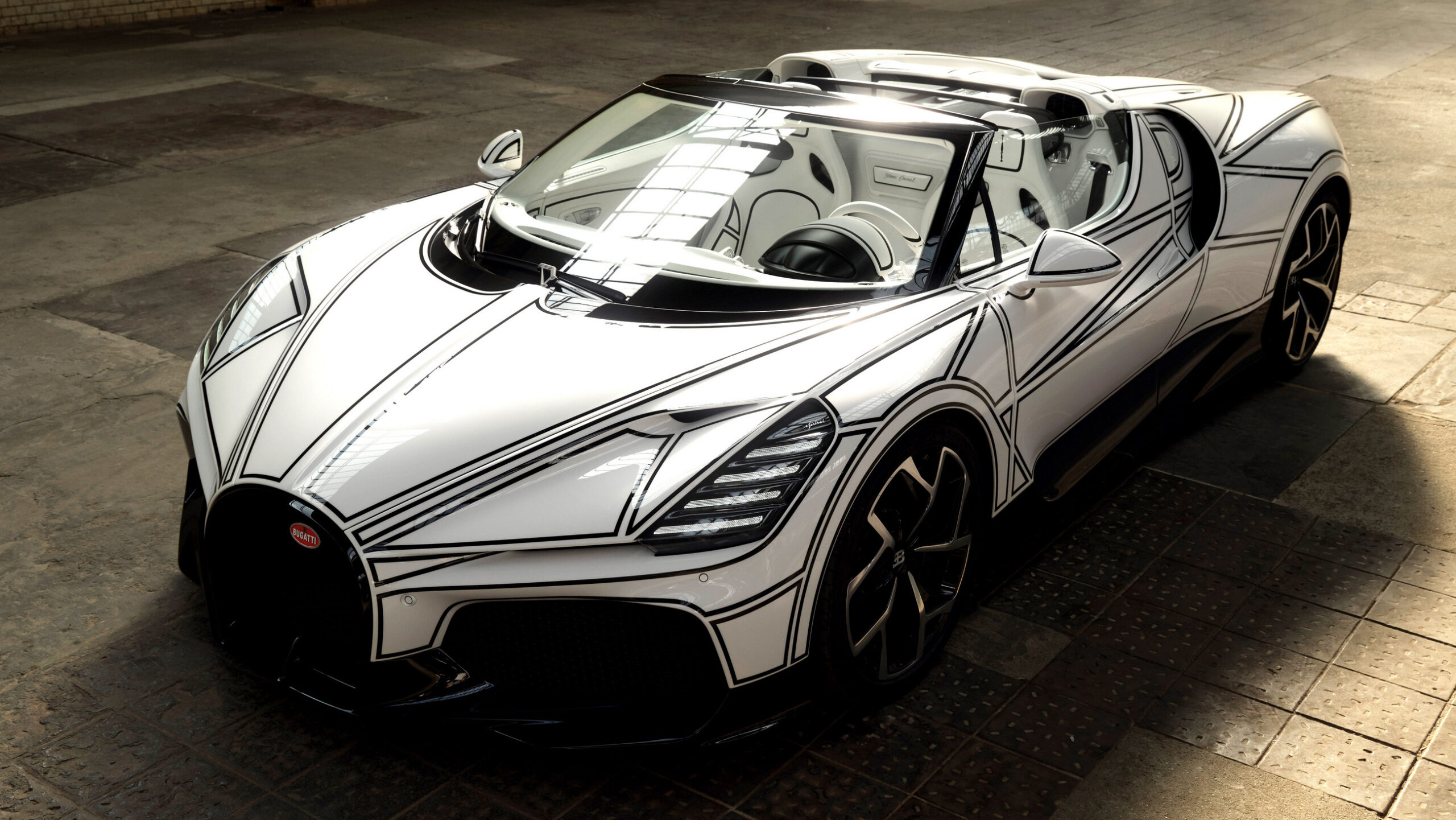
Blanc Éternel Hides Its Speed Behind a Gas Cap
Bugatti built a 261-mph roadster and made sure you'd notice the porcelain first.
From the other desks.

Gold Leaf on a Lacquer Dial, and the Weight of What That Costs
Awake's Frosted Leaf Royal Blue asks a question Vietnamese craft has never quite had to answer at this price.

ESPN Named Him. Then Unnamed Him. Nobody's Explaining the Gap.
A retraction without a reckoning is just a deleted link.

Hide My Email Has Been Showing Your Email
Apple's privacy flagship has a hole in it. They've known for over a year.