Two Japanese Giants Just Graded Their Own American Factories
Toyota and Nissan aren't hiding it anymore — cars built in the US aren't clearing Japanese quality thresholds, and that admission lands harder than any recall.
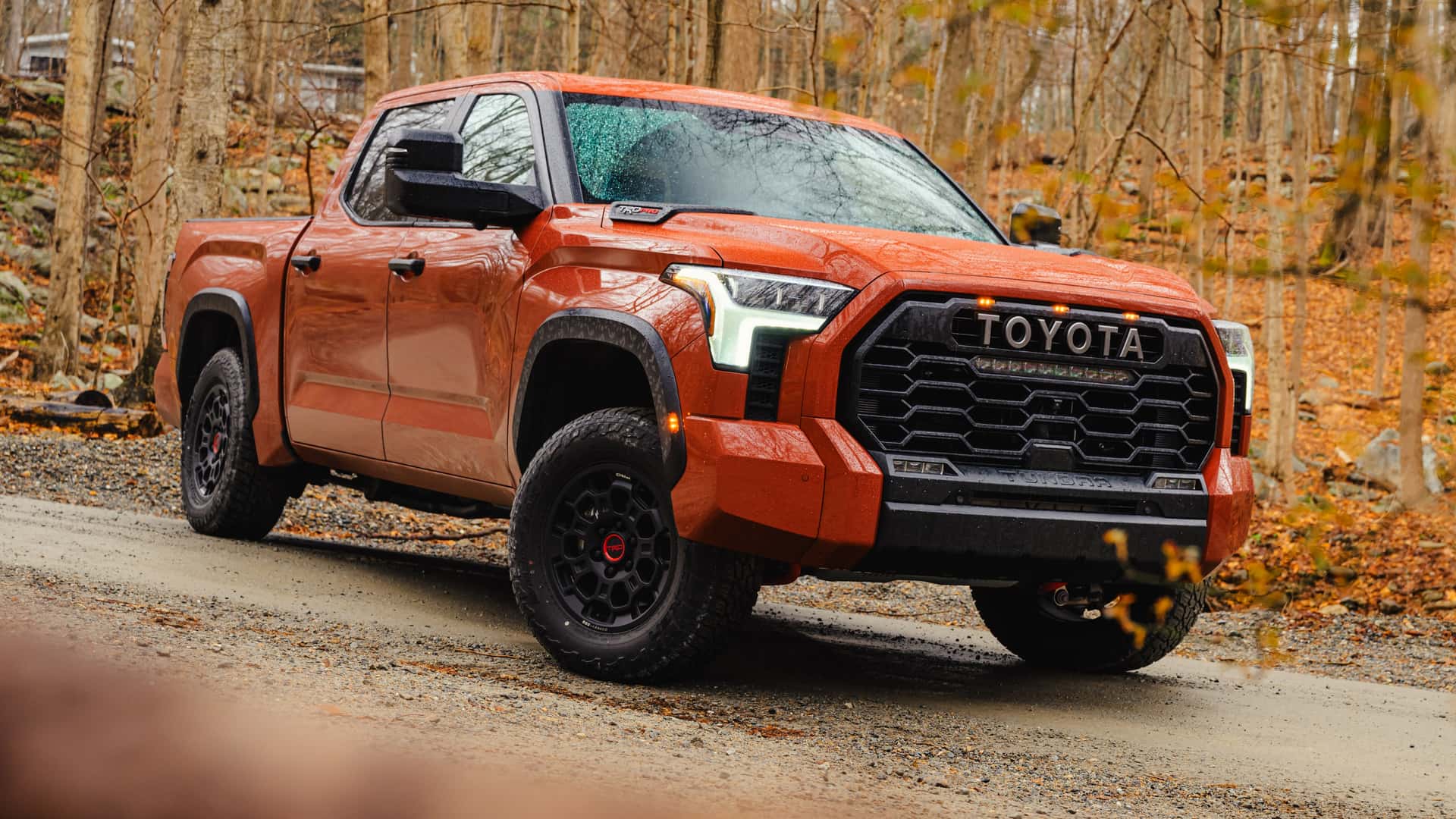
Photo · Motor1.com - Articles
There's a particular kind of honesty that arrives not as confession but as policy. Toyota and Nissan have effectively told Japanese buyers: the cars we build in America don't meet the standards you're used to. Not a rumor. Not a third-party audit. The automakers said it themselves.
A writer at Motor1.com has staked out the story, and the details are specific enough to sting. Thin paint. Panel gaps. Leftover residue. These aren't catastrophic failures — they're the kind of finish-line details that separate a car that feels built from one that feels assembled. Japanese buyers, the piece notes, aren't accustomed to finding these things on new cars. The implication is that American buyers might be.
What the Admission Actually Costs
The story being told here isn't really about Japan. It's about what 'made in America' now signals to the people who build the cars in both places. When a manufacturer creates a two-tier quality system along geographic lines — not because of different specs, different materials, or different vehicle types, but because of different execution — they've essentially published their own league table. And American factories landed below the fold.
This matters beyond national pride. It matters because the credibility of a brand is supposed to travel with the badge, not stay home. A Camry is a Camry whether it rolls out of Kentucky or Aichi — that's the promise underneath every global nameplate. The moment an automaker starts asterisking that promise for its home market, the badge loses some of its universality. Not all of it. But some.
What's interesting is the directness. There's no spin here about regional preferences or market-specific configurations. The framing, as the Motor1 piece presents it, is plainly about consistency — or the absence of it. Japanese consumers expect a standard. American production isn't reliably hitting it. That's the sentence. It's out in the open now.
The Larger Discomfort
American manufacturing has spent years fighting the perception that it punches below its weight on quality. That fight isn't over, and this doesn't end it — but it does complicate the argument. Because when the evidence comes from the manufacturers themselves, it's harder to dismiss as bias or outdated stereotype. Toyota and Nissan aren't critics. They're the ones signing off on production.
There's a version of this story where it ends in improvement — where public acknowledgment becomes the first step toward closing the gap, where American plants tighten tolerances and the two-tier system quietly collapses. That's the optimistic read, and it's not unreasonable.
But there's another version. One where 'good enough for the American market' calcifies into a quiet operating assumption. Where the gap doesn't close because nobody with enough leverage demands that it does. Where buyers who've never seen the Japanese-market equivalent don't know what they're missing.
The paint is thin. The gaps are there. Someone measured them — and then said so out loud.
That's the part worth watching.
Keep reading cars.

800 Horsepower, One Ton of Doubt
Lamborghini built the most powerful SUV it's ever made. It's also slower than what it replaced.

£11,990 Draws a Line Under Every Excuse You Had Left
Dacia just made the cheapest new car in Britain electric — and that's not a footnote, it's a verdict.

Blanc Éternel Hides Its Speed Behind a Gas Cap
Bugatti built a 261-mph roadster and made sure you'd notice the porcelain first.
From the other desks.

Gold Leaf on a Lacquer Dial, and the Weight of What That Costs
Awake's Frosted Leaf Royal Blue asks a question Vietnamese craft has never quite had to answer at this price.

ESPN Named Him. Then Unnamed Him. Nobody's Explaining the Gap.
A retraction without a reckoning is just a deleted link.

Hide My Email Has Been Showing Your Email
Apple's privacy flagship has a hole in it. They've known for over a year.