Volvo Called It Cheap. The Industry Built a Business Model Around It.
When a carmaker tells rivals to stop nickel-and-diming customers, that's not a PR move — it's a confession about where the whole industry went wrong.
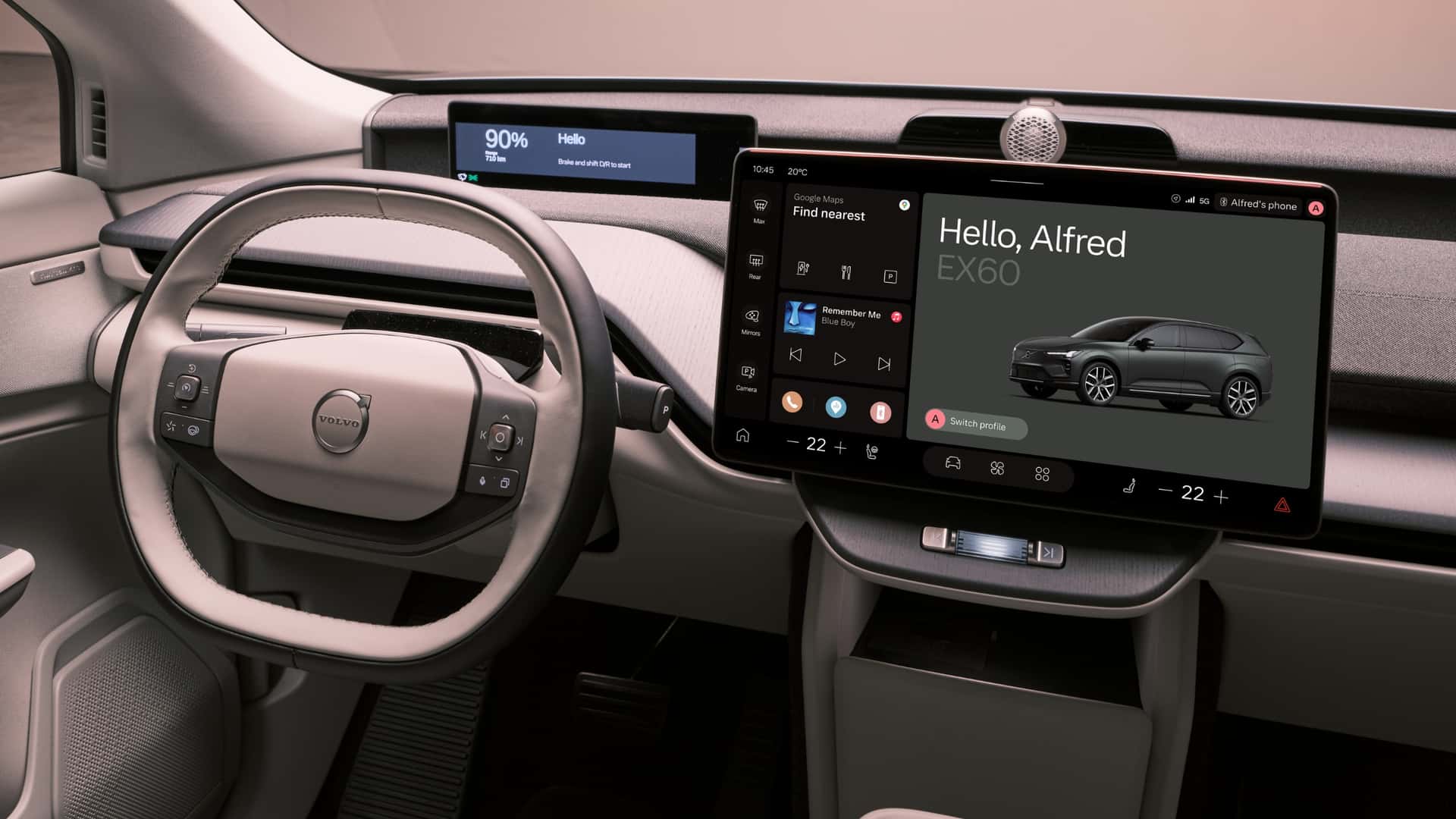
Photo · Motor1.com - Articles
There's a version of this story where Volvo looks noble. A senior executive goes on record ahead of the EX60's launch, tells the room that you shouldn't nickel-and-dime customers, and the headlines write themselves. Eric Severinson, Volvo's number two, didn't mince it — the quote from Motor1 lands close to "don't be cheap." Clean. Quotable. Easy to cheer.
But sit with it for a second.
The Admission Underneath the Criticism
What Severinson is really saying — what the whole industry is finally being forced to say out loud — is that locking heated seats or remote start behind a monthly fee was never about technology. It was about trust. Specifically, the absence of it. The belief that if you built the value in upfront, customers would take it for granted. That the only way to keep extracting money after the sale was to make the car feel incomplete at delivery.
That's not a billing strategy. That's a product philosophy. And it's a broken one.
MotorBiscuit framed it bluntly: the industry found new ways to charge you for things you already bought. Hardware already installed in the vehicle, sitting dormant behind a paywall. You can feel the logic from the finance department — recurring revenue, higher lifetime value per unit, the software business model grafted onto a machine with four wheels. It probably looked elegant in a spreadsheet. On the driveway, it feels like being handed a house and told the hot water costs extra.
The cars got smarter. The relationship got worse.
What Volvo Is Actually Betting On
Calling out the competition is easy. The harder thing is building a car that doesn't need the trick. Volvo's statement ahead of the EX60 launch isn't just a values pitch — it's a product promise. It's saying: the thing you pay for will work, fully, when you drive it away. No unlocks. No tiers. No monthly reminder that the company still has its hand in your pocket.
That's a bet on the product earning the sale. Old idea. Increasingly radical execution.
And there's something worth noticing in the timing. Volvo isn't making this argument from a position of dominance — they're making it on the way into a competitive EV segment, with a new model that needs to prove itself. That's not the moment most brands choose to pick a philosophical fight. Which either means they genuinely believe it, or they've done enough customer research to know that trust has become a differentiator — that enough people have been burned by the subscription model that "we won't do that" is now a selling point.
Both can be true.
The industry spent years treating the car as a platform — a recurring revenue vehicle dressed up as a vehicle. What they missed is that the person in the driver's seat doesn't feel like a platform. They feel like someone who spent a significant amount of money and wants the thing to work. All of it. All the time.
When a company has to publicly promise not to be cheap, that's not leadership. That's the bar.
Keep reading cars.

800 Horsepower, One Ton of Doubt
Lamborghini built the most powerful SUV it's ever made. It's also slower than what it replaced.

£11,990 Draws a Line Under Every Excuse You Had Left
Dacia just made the cheapest new car in Britain electric — and that's not a footnote, it's a verdict.
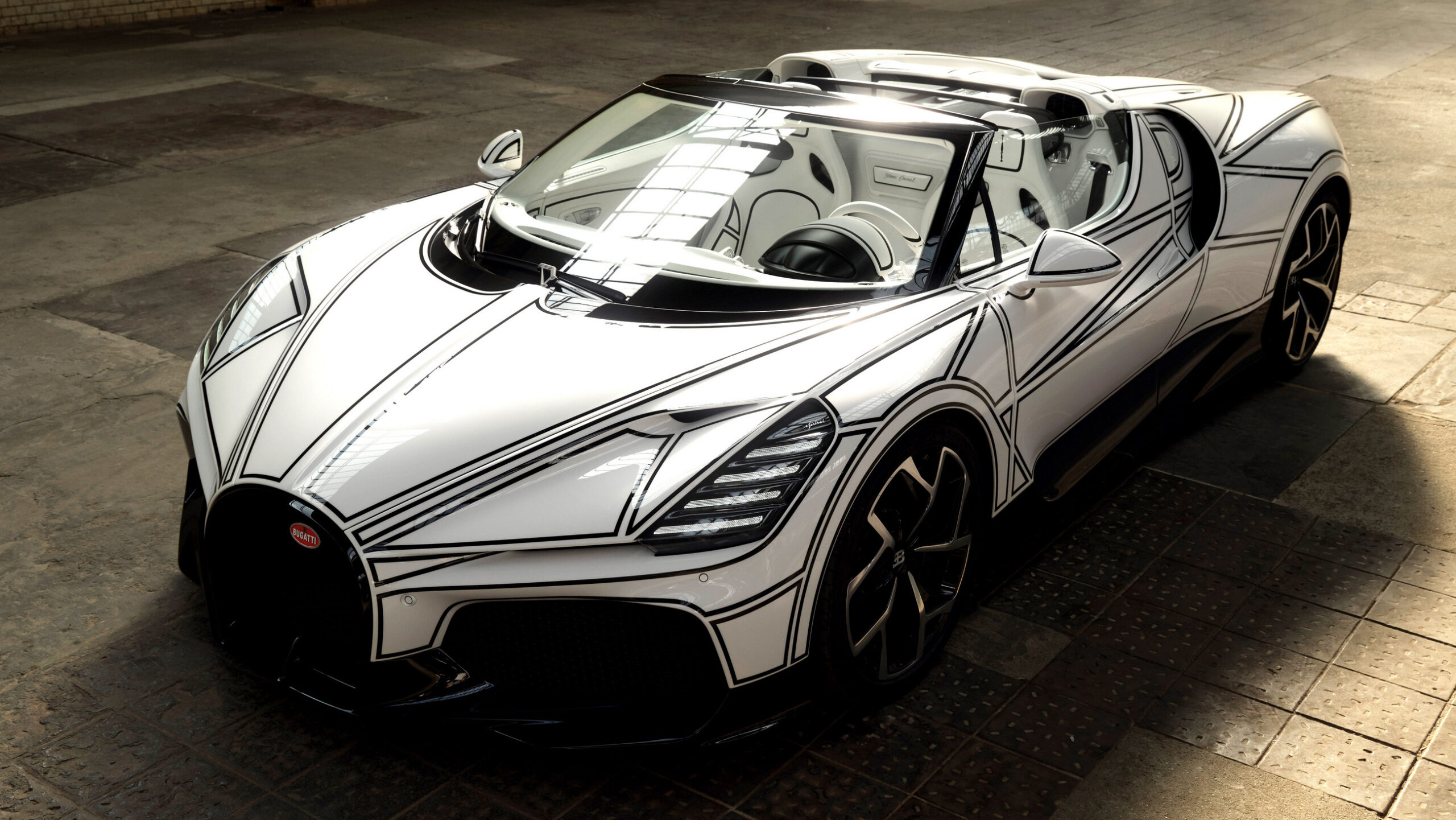
Blanc Éternel Hides Its Speed Behind a Gas Cap
Bugatti built a 261-mph roadster and made sure you'd notice the porcelain first.
From the other desks.

Gold Leaf on a Lacquer Dial, and the Weight of What That Costs
Awake's Frosted Leaf Royal Blue asks a question Vietnamese craft has never quite had to answer at this price.

ESPN Named Him. Then Unnamed Him. Nobody's Explaining the Gap.
A retraction without a reckoning is just a deleted link.

Hide My Email Has Been Showing Your Email
Apple's privacy flagship has a hole in it. They've known for over a year.