We Chose This. Pedestrians Paid For It.
The data on what larger vehicles do to human bodies has been sitting in plain sight — and so has our answer to it.
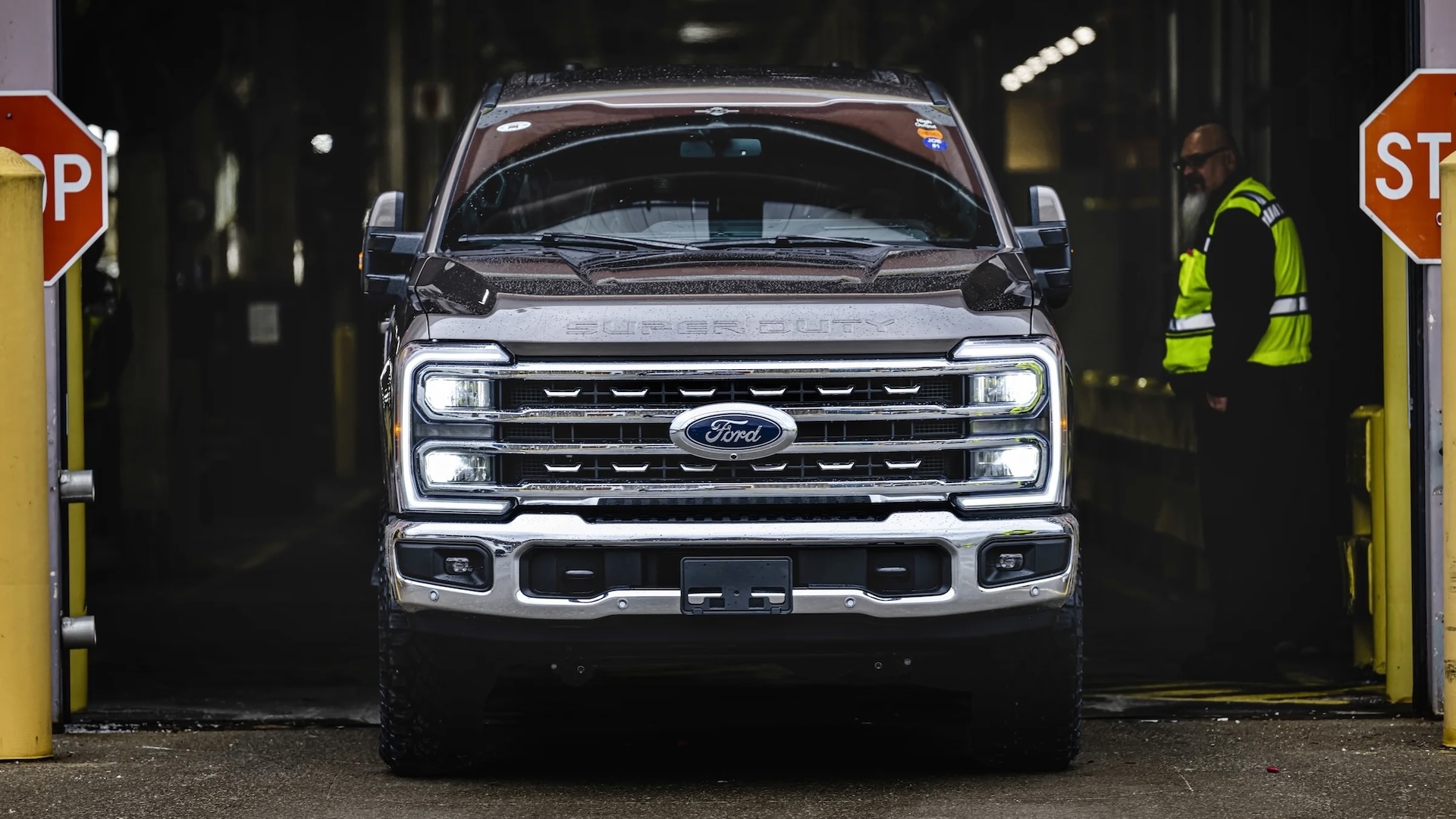
Photo · The Drive
The Math Nobody Wanted to Do
Imagine standing at a crosswalk. Not a highway, not a blind corner — a crosswalk, in daylight, doing exactly what you were told to do. Now imagine the thing that ends that moment isn't a failure of infrastructure or a freak accident, but a purchasing decision someone made three years earlier in a dealership showroom in the suburbs.
That's not a hypothetical anymore. It's a finding.
Pedestrian deaths in the United States have climbed 75 percent since 2009, according to reporting from The Drive citing recent data. Seventy-five percent. That's not a rounding error or a statistical blip you can wave away with population growth or distracted walking or any of the other comfortable explanations we reach for when the real one makes us too uncomfortable. The real one, spelled out plainly in the coverage: the vehicles got bigger, and people on foot started dying at rates we hadn't seen in a generation.
A study flagged by TheTruthAboutCars went further — suggesting that the increase in average vehicle size has contributed to thousands of unnecessary pedestrian fatalities over the last several years. Unnecessary. That word should sit with you for a moment. Not inevitable. Not tragic-but-unavoidable. Unnecessary.
What Bigger Actually Means at 25 MPH
There's a physics argument here that doesn't require a degree to follow. A taller hood doesn't just hit a pedestrian differently — it hits them higher. At the torso. At the head. The impact transfers to organs and skulls instead of legs, which changes the survival calculus in ways that are brutal and immediate. This isn't speculation; it's geometry with consequences. The Drive's coverage makes clear that the connection between vehicle size and pedestrian lethality isn't contested in the research — it's the conclusion the research keeps arriving at.
And yet the trucks got taller. The hoods kept rising. The front fascias became walls.
I've stood next to enough of these things in parking lots to feel it — the way a full-size pickup now sits at a height where a child would simply disappear from the driver's sightline before an impact, not during it. That's not a design flaw that slipped through. It's a design direction that got rewarded, quarter after quarter, in sales figures, while something else was happening on the streets below.
The market didn't accidentally arrive at this. It was led here, eagerly, by buyers who wanted the feeling of mass and height and dominance, and by manufacturers who were happy to sell it. The trucks got longer beds that nobody uses for hauling. They got higher ground clearance for off-road terrain that fewer than five percent of owners will ever encounter. They got bigger because bigger sold, and because for a long time, the people paying the price for that transaction weren't the ones writing the check.
When the Credibility Gap Closes
What's shifting now — slowly, unevenly, but shifting — is that the data has gotten loud enough to break through the insulation of convenience. TheTruthAboutCars noted the media beginning to connect these dots in a way that feels less like routine safety coverage and more like an indictment. That's a meaningful change in register. We've had decades of incremental vehicle growth normalized by incremental reporting. What's different is the number: 75 percent. It has a weight that "pedestrian deaths are trending upward" doesn't.
The credibility problem for large vehicles isn't that they're dangerous in some abstract sense. It's that the danger is now specific, documented, and arithmetically tied to choices — choices made by regulators who approved the designs, manufacturers who pursued the margins, and buyers who wanted the size. All three groups have been operating with a kind of distributed innocence, each pointing somewhere else when the question got uncomfortable.
That innocence has a harder time surviving a statistic like 75 percent over fifteen years.
What We Keep Choosing
Here's what I keep returning to: none of this is secret. The research isn't buried. The physics isn't disputed. The trend line isn't ambiguous. And yet the best-selling vehicles in America have remained, year after year, the largest ones on the road.
That's not ignorance. That's preference. And preference, unlike ignorance, is a moral position.
I'm not interested in shaming anyone's truck. I'm interested in what it means when a society looks at a 75 percent increase in people dying while crossing the street, traces it to a product category it continues to buy at record rates, and then resumes the conversation about towing capacity. That's not a policy failure alone — though it is that. It's a story about what we've decided to value when valuing things has a body count attached.
The pedestrians who didn't make it across those crosswalks didn't lose a debate about vehicle regulation. They lost something more immediate, to a machine someone chose, in a culture that made the choosing easy and the consequences invisible — until the data made them impossible to ignore.
The data has done its job. The rest is up to us.
Keep reading cars.

800 Horsepower, One Ton of Doubt
Lamborghini built the most powerful SUV it's ever made. It's also slower than what it replaced.

£11,990 Draws a Line Under Every Excuse You Had Left
Dacia just made the cheapest new car in Britain electric — and that's not a footnote, it's a verdict.
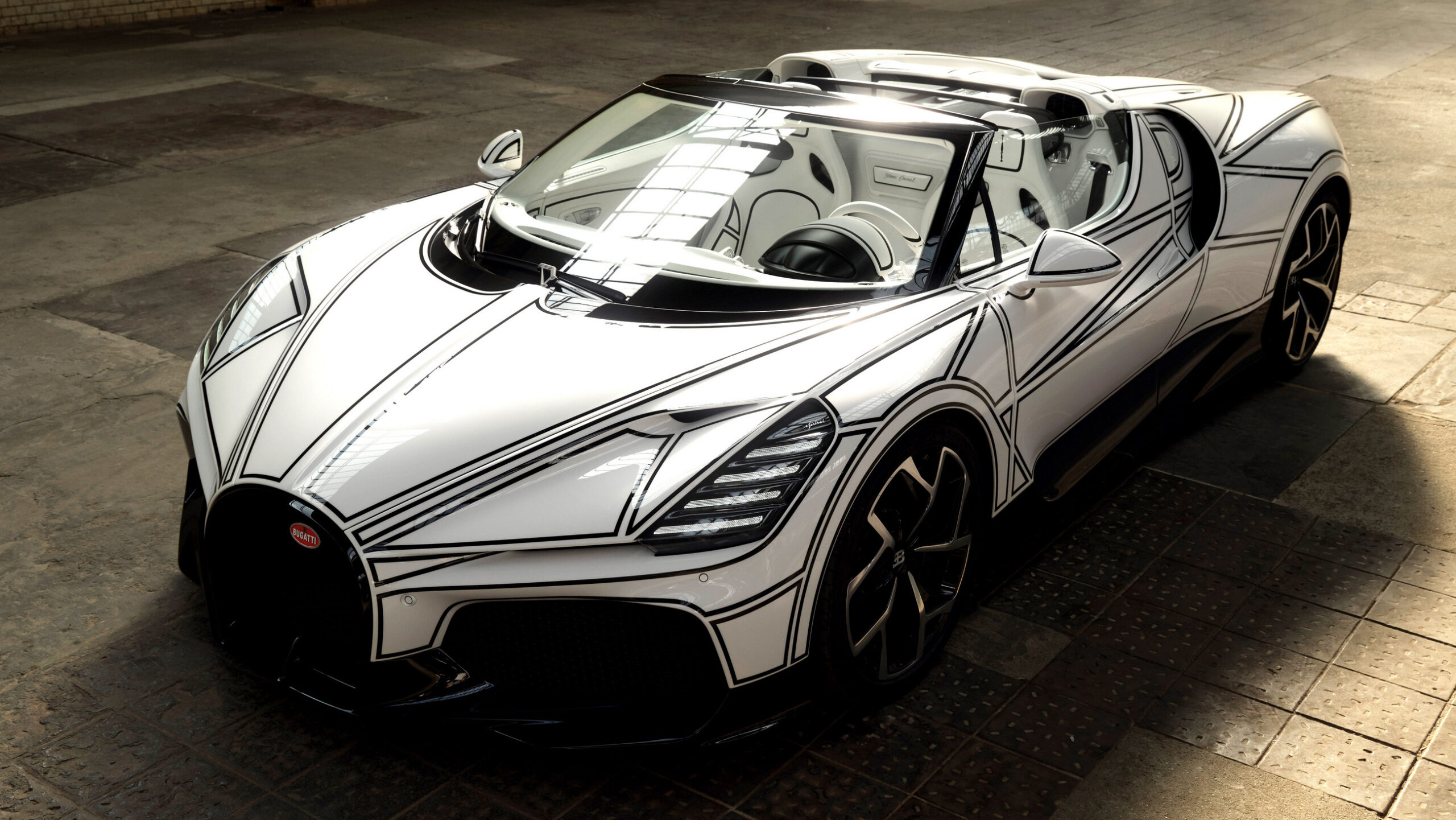
Blanc Éternel Hides Its Speed Behind a Gas Cap
Bugatti built a 261-mph roadster and made sure you'd notice the porcelain first.
From the other desks.

Gold Leaf on a Lacquer Dial, and the Weight of What That Costs
Awake's Frosted Leaf Royal Blue asks a question Vietnamese craft has never quite had to answer at this price.

ESPN Named Him. Then Unnamed Him. Nobody's Explaining the Gap.
A retraction without a reckoning is just a deleted link.

Hide My Email Has Been Showing Your Email
Apple's privacy flagship has a hole in it. They've known for over a year.