Hollywood Gave Anderson Everything Except an Answer
Dior's Cruise 2027 show at LACMA was full of electricity. Whether it added up to anything is a harder question.

Photo · WWD
There's a version of a fashion show that functions as argument — a designer laying out, with precision and conviction, what they believe clothes should do and who they believe the person wearing them is. And then there's the other kind: dazzling, restless, searching. Jonathan Anderson's Dior Cruise 2027, staged at LACMA in Los Angeles, sounds very much like the second kind.
The coverage is consistent on the atmosphere. Old Hollywood. Cinematic references. Vintage glamour. LACMA as backdrop — which is doing real work here, because a museum housing a permanent collection signals something about legacy, about objects that endure. Anderson, a year into his revamp of the French couture house, chose Los Angeles deliberately, and the gesture reads clearly enough: Dior and film, Dior and American mythology, Dior and the kind of glamour that has a cinematographer attached to it.
The problem — and it's the same problem that's followed this tenure since its beginning — is that gesture and vision aren't the same thing.
Electrifying Is Not Enough
Angelo Flaccavento, writing for The Business of Fashion, called the outing "electrifying and unresolved" — a pairing that deserves to sit together for a moment rather than be smoothed over. Electrifying is easy to celebrate. Unresolved is the harder word. It means the current ran through the room and then dispersed without going anywhere. It means the individual moments were real but the throughline wasn't.
That's the meta-observation across all three pieces covering this show: a consensus that something exciting happened, shadowed by an inability to say exactly what it meant. WWD noted the cinematic references and the hints at Dior's future in film — hints, not declarations. Even the forward-looking elements were kept at arm's length, gestured toward rather than committed to.
A year into Anderson's tenure, that pattern has become the tenure. He arrived at Dior as one of fashion's most genuinely interesting designers — someone who had built a reputation for intellectual provocation and formal surprise. The expectation, reasonable enough, was that he'd bring that restlessness to bear on one of the most storied houses in the industry and produce something that felt both surprising and inevitable. What's emerged instead is a collection of strong moments that haven't yet calcified into a point of view.
What Hollywood Can't Fix
The choice of Hollywood as setting is worth examining, because locations carry arguments. Showing in Los Angeles, at a museum, with cinematic glamour as the aesthetic register — that's a designer reaching for cultural weight, for a frame larger than the runway. It's also, potentially, a way of borrowing an identity when your own is still forming.
Old Hollywood has a coherence that Anderson's Dior, so far, doesn't quite have. The fantasy is legible. The references are legible. But a show that works by invoking a fantasy isn't the same as a show that creates one of its own. The former is curation; the latter is authorship.
None of this is a verdict. A year is not a tenure. Designers who eventually produced definitive bodies of work often spent their early seasons at a house looking exactly like this — reaching in multiple directions, electrifying rooms, leaving critics with notes that read promising and unresolved in the same breath.
But there's a version of this story where Anderson never quite lands, where the Dior years become a catalog of extraordinary individual pieces that never cohered into a Dior. Hollywood has seen that story too. The ones we remember are the ones that eventually found their ending.
The question Anderson is still answering is whether he knows what his is.
Keep reading fashion.

Gold Leaf on a Lacquer Dial, and the Weight of What That Costs
Awake's Frosted Leaf Royal Blue asks a question Vietnamese craft has never quite had to answer at this price.
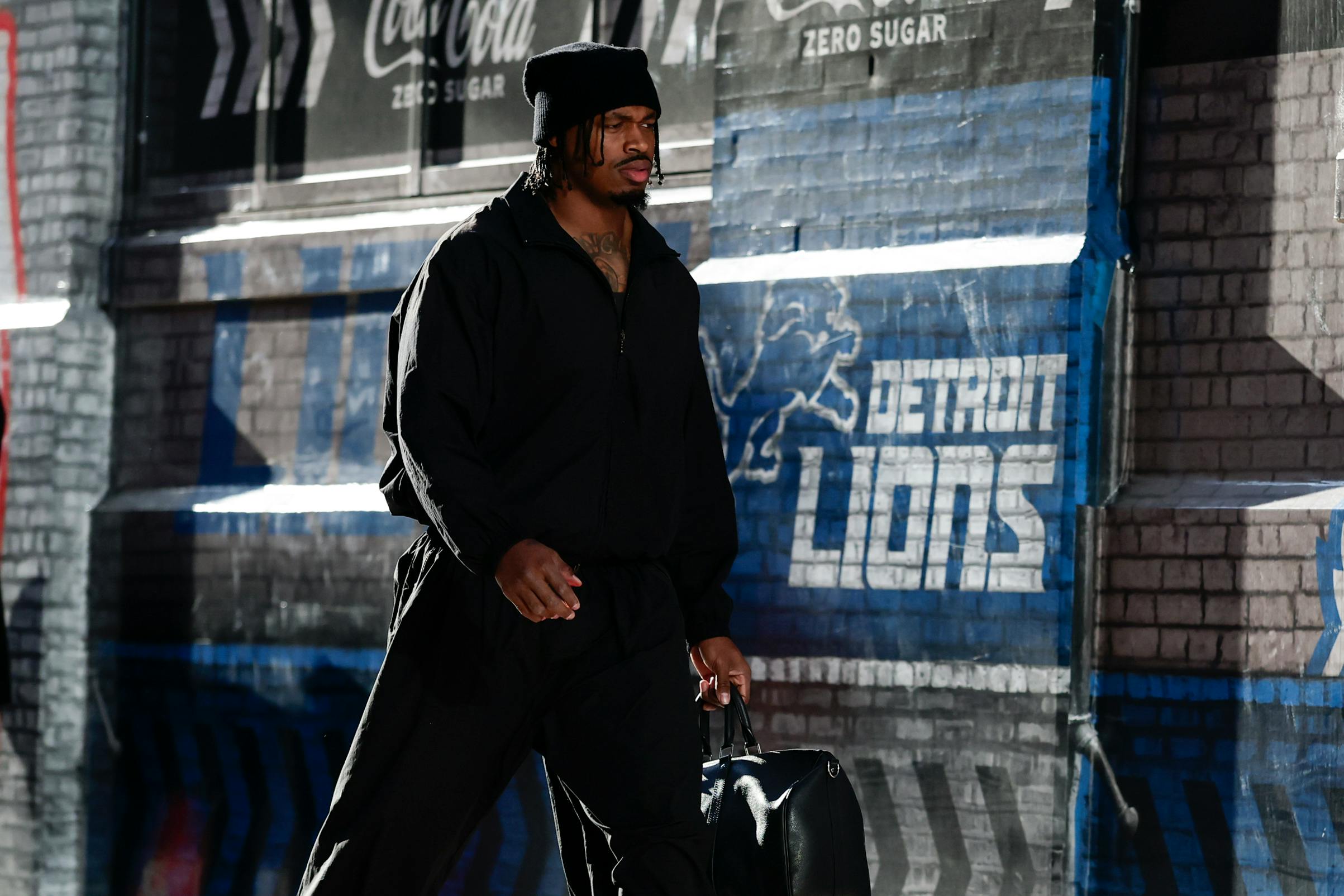
Kyle Smith Has a Job Title That Didn't Exist Before. That's the Whole Tell.
When the NFL hires a fashion editor, it's not about clothes — it's about who gets to decide what matters.
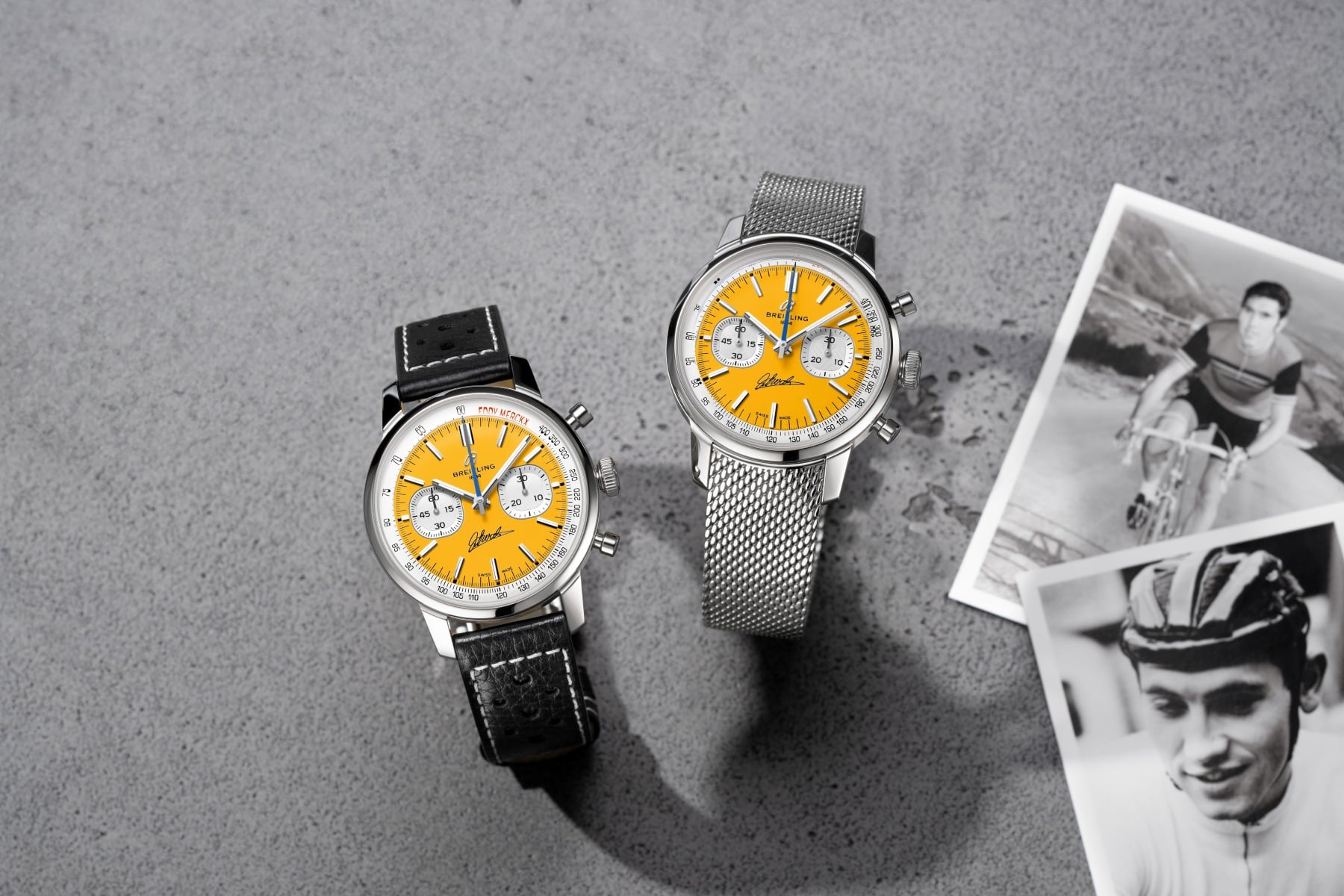
525 Victories, One Dial, and Cycling's Long Wait for a Wrist
Breitling's Eddy Merckx edition doesn't just reference a legend — it asks whether motorsport's younger sibling has finally earned its place in serious watch culture.
From the other desks.

800 Horsepower, One Ton of Doubt
Lamborghini built the most powerful SUV it's ever made. It's also slower than what it replaced.

ESPN Named Him. Then Unnamed Him. Nobody's Explaining the Gap.
A retraction without a reckoning is just a deleted link.

Hide My Email Has Been Showing Your Email
Apple's privacy flagship has a hole in it. They've known for over a year.