Everyone Knows Where the Chips Come From. Nobody Has a Plan B.
The Xi-Trump summit will produce a communiqué. The Taiwan problem will outlast it.

Photo · Rest of World -
There's a specific kind of denial that only functions at scale. The kind where every actor in the system privately understands the risk, nobody says it out loud in a room that matters, and the whole thing keeps running because stopping to fix it would require admitting how badly it was designed.
That's where we are with Taiwan.
The Summit and the Subtext
As the Xi-Trump meeting in Beijing approaches, coverage is cycling through the expected agenda items — AI rivalry, chip export controls, supply chain security, the EV trade. Reasonable things to discuss. Appropriately tense. One writer at Rest of World catalogued the list with the energy of someone who has watched this movie before and is mostly curious about the runtime.
But another piece, also from Rest of World, is harder to shake. Writer Eyck Freymann makes the argument plainly: Big Tech's dependence on TSMC — Taiwan's dominant chipmaker — has turned the China-Taiwan dispute into what he calls the world's most dangerous geopolitical flashpoint. Not one of the most dangerous. The most dangerous. The entire global tech stack, from your phone to the data center running the AI your company just bought a license for, routes through a single island that sits inside a territorial claim that Beijing has never formally abandoned.
The summit will discuss chip export controls. What it almost certainly won't discuss is the foundational absurdity underneath them: that the United States and its allies have built a civilization-scale dependency on a place they cannot militarily guarantee.
The Leverage Isn't Theoretical
What makes Freymann's framing uncomfortable isn't that it's alarmist. It's that it's just accurate. China holds leverage not because it produces the chips — it doesn't, not at this level — but because it sits between Taiwan and any version of stability. The threat doesn't require an invasion. It requires uncertainty. And uncertainty, in a supply chain built on just-in-time delivery and zero redundancy, is already a weapon.
The export controls the U.S. has been layering on — restricting what chips and chip-making equipment can flow to China — are real policy moves. But they're also a little like changing the locks after you've already handed out the keys. The dependency was built over decades of decisions that prioritized efficiency over resilience, and no summit communiqué is going to unbuild it by December.
What's striking, reading across both pieces, is how little of the coverage dwells on the absence of an alternative. The conversation is almost entirely about managing the current structure — who gets access to what, under which conditions, monitored how — rather than the more uncomfortable question of whether the structure itself is sane.
The Cycle Is the Problem
I've watched enough of these diplomatic moments to know what they produce. Carefully worded agreements. Temporary stabilization. A press conference where both sides claim they were heard. Then, six months later, another flashpoint, another summit, another round of the same conversation with slightly different leverage ratios.
The AI rivalry framing is useful optics for both governments right now — it sounds like competition, which is politically legible. But underneath it is the chip question, and underneath the chip question is Taiwan, and Taiwan is not a trade negotiation. It's a geography problem that neither side has the domestic political appetite to solve honestly.
The tech industry, for its part, has been quietly lobbying for stability without being willing to pay for diversification. That's a rational short-term position. It is not a strategy.
So we'll get a summit. We'll get a readout. Someone will describe the talks as candid and constructive.
And TSMC will keep running its fabs, on an island everyone depends on and nobody can protect, which is the actual headline nobody wants to write.
Keep reading tech.

Hide My Email Has Been Showing Your Email
Apple's privacy flagship has a hole in it. They've known for over a year.

Sony Killed the Disc. Sony Is Also Killing the Store.
Two announcements, one company, and a quiet admission that "ownership" was always their word to define.
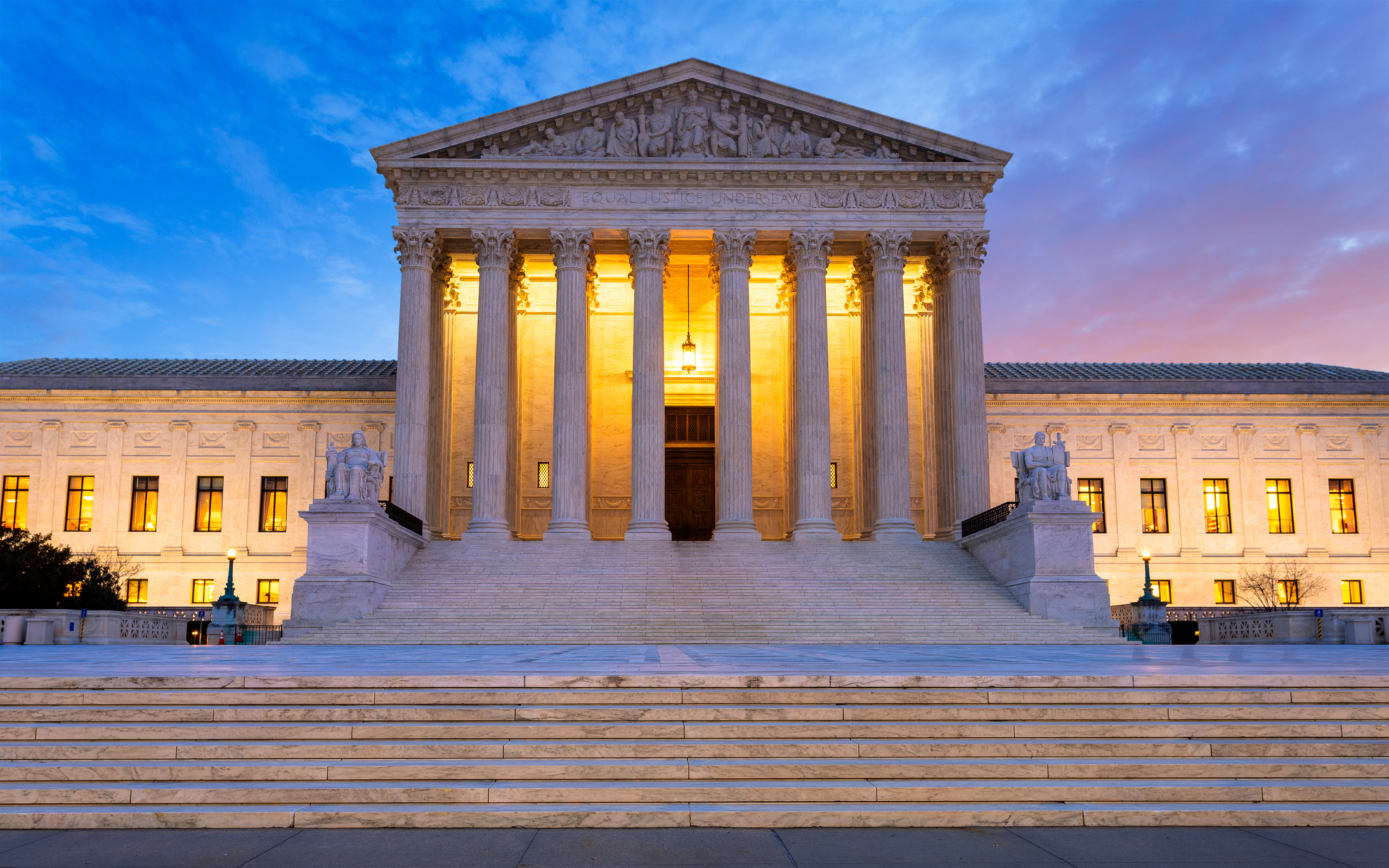
Apple Went to the Highest Court It Could Find. That Tells You Everything.
When a contempt ruling sends you to the Supreme Court, you're not defending a policy anymore — you're defending a worldview.
From the other desks.

800 Horsepower, One Ton of Doubt
Lamborghini built the most powerful SUV it's ever made. It's also slower than what it replaced.

Gold Leaf on a Lacquer Dial, and the Weight of What That Costs
Awake's Frosted Leaf Royal Blue asks a question Vietnamese craft has never quite had to answer at this price.

ESPN Named Him. Then Unnamed Him. Nobody's Explaining the Gap.
A retraction without a reckoning is just a deleted link.