Nobody Wants the Server Farm Next Door, So They Built One the Size of Manhattan
New polling says Americans prefer nuclear plants to data centers. Utah just approved one that drinks more power than the whole state.
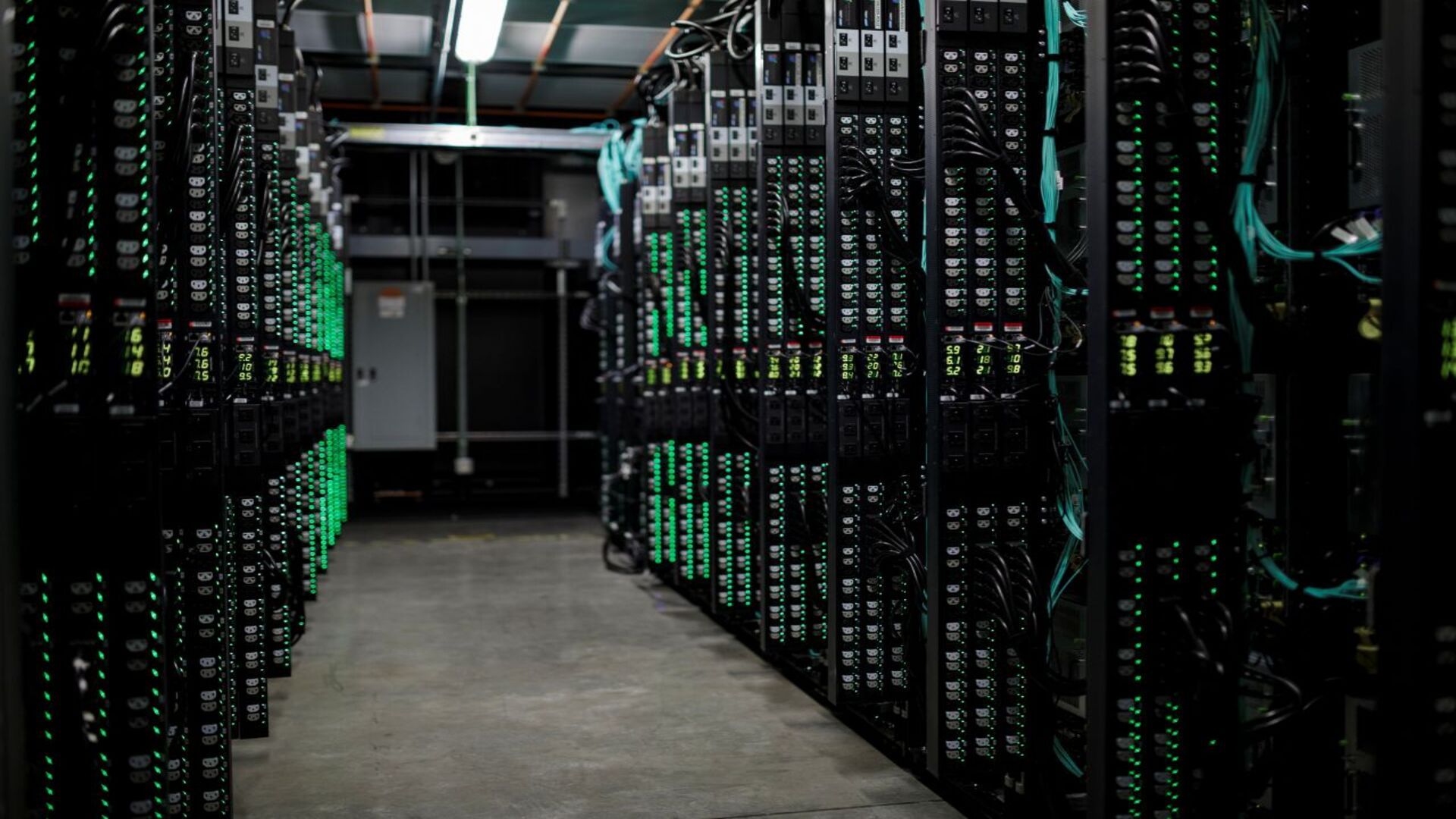
Photo · Latest from TechRadar
There's a particular kind of infrastructure denial happening right now, and it goes like this: the companies building the future are doing it somewhere you'd never choose to look.
Gallup has the receipts. According to new polling covered by TechRadar, barely anyone in America wants a data center in their neighborhood — and when forced to choose between a new facility and a nuclear power plant nearby, most people picked the reactor. Let that sit for a second. The industry that spent years telling you it was clean, quiet, and invisible has somehow lost a popularity contest to nuclear energy, which spent decades being the villain in every environmental argument.
That's not a PR problem. That's a reckoning.
Utah Didn't Get the Memo
While the polling was circulating, Utah approved a data center project reportedly twice the size of Manhattan, with a projected power draw of around 9 gigawatts — more electricity than the entire state currently consumes, according to TechRadar's reporting. Read that again slowly. Not a portion of the state's grid. Not a significant share. More than all of it.
The math here isn't just uncomfortable, it's a kind of open confession. For years, the pitch on AI infrastructure was that it would hum quietly in the background, that the costs were abstract, that the benefits were diffuse and inevitable. What Utah just approved makes the costs extremely concrete and locates them in a very specific desert.
The two stories don't cancel each other out. They confirm each other.
What the Polling Actually Says
Opposition to data centers isn't new, but the Gallup data signals something harder to dismiss than local noise — it's a broad, national sentiment. And the nuclear comparison is the telling part. Nuclear carries decades of cultural baggage: meltdowns, waste, fear. If a large portion of Americans would rather absorb that baggage than accept a data center, what they're really saying is that data centers have stopped feeling like neutral infrastructure and started feeling like an imposition.
They're loud. They run hot. They strain local power grids and water supplies. They employ far fewer people than the land they consume might otherwise support. And increasingly, the product they're producing — AI at scale — doesn't feel like something the neighborhood asked for.
The promise of progress used to do a lot of heavy lifting in these conversations. People accepted highways, cell towers, and power lines because the benefit felt mutual. The Gallup numbers suggest that deal is fraying. When the infrastructure serves a product most people interact with but few feel they own, the social contract gets thin fast.
The Geometry of Extraction
Here's what I keep coming back to: the Utah project and the Gallup data exist in the same news cycle, and nobody in the industry seems to find that ironic. The opposition is real and measurable. The expansion is real and enormous. Both are accelerating simultaneously.
That's not a contradiction — it's a pattern. The facilities are moving toward scale precisely because the window of political tolerance is closing. Build fast, build big, build somewhere the opposition is diffuse enough to outmaneuver. Utah approved it. Someone else will be next.
The question isn't whether Americans want this infrastructure. They've answered that. The question is whether wanting or not wanting it has ever really been the mechanism that decides.
Spoiler: the server farm is already under construction.
Keep reading tech.

Hide My Email Has Been Showing Your Email
Apple's privacy flagship has a hole in it. They've known for over a year.

Sony Killed the Disc. Sony Is Also Killing the Store.
Two announcements, one company, and a quiet admission that "ownership" was always their word to define.
Apple Went to the Highest Court It Could Find. That Tells You Everything.
When a contempt ruling sends you to the Supreme Court, you're not defending a policy anymore — you're defending a worldview.
From the other desks.

800 Horsepower, One Ton of Doubt
Lamborghini built the most powerful SUV it's ever made. It's also slower than what it replaced.

Gold Leaf on a Lacquer Dial, and the Weight of What That Costs
Awake's Frosted Leaf Royal Blue asks a question Vietnamese craft has never quite had to answer at this price.

ESPN Named Him. Then Unnamed Him. Nobody's Explaining the Gap.
A retraction without a reckoning is just a deleted link.