The Quiet Revolution
Grand Seiko came to Geneva not to compete — but to remind the room what the whole thing was supposed to be about.
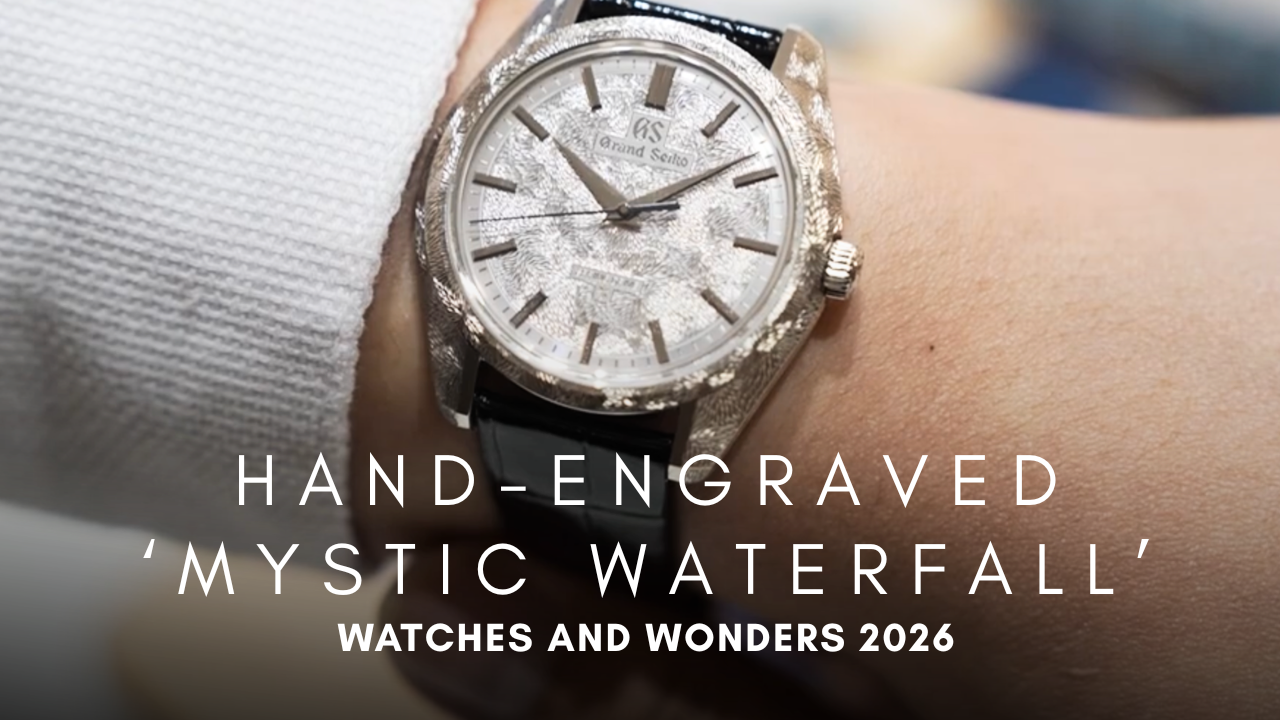
Photo · Revolution Watch
Something Shifts in a Quiet Room
There's a moment, if you spend enough time around watches, when the argument stops mattering. Not the argument about movements or complications or which maison has the longer pedigree — the deeper one, the one that runs underneath all of it. The one about whether beauty and precision are actually the same pursuit or whether they've always been pulling against each other.
Grand Seiko showed up to Watches & Wonders 2026 with an answer. Several answers, actually. And the interesting thing isn't what they brought. It's that they didn't seem to be trying to convince anyone of anything.
That's a different posture than we usually see at Geneva. And it's worth sitting with.
What the Diver Carries
The Spring Drive UFA Ushio 300 diver arrived in two dial executions — one blue, one green — both oriented around the imagery of tides. Escapement Magazine noted that the watch reflects what they called the brand's "unwavering pursuit of continuous improvement," which is the kind of phrase that can sound like marketing until you look at what's actually inside the case.
Because the UFA designation isn't cosmetic. It points to a movement architecture that, according to Swisswatches Magazine's coverage, represents the most precise Spring Drive movement Grand Seiko has ever produced. The Spring Drive itself is already a strange and singular thing — a mechanical movement regulated by a glide wheel and electromagnetic braking rather than a traditional escapement, achieving accuracy that conventional mechanical watchmaking struggles to approach. To improve on that baseline, at this point, requires the kind of obsessive incremental engineering that doesn't make for exciting press releases but absolutely makes for extraordinary objects.
What strikes me about the Ushio, though, isn't the movement alone. It's the combination. A professional diver rated to 300 meters, built around one of the most technically refined movements in the world, wearing dials that look like you're seeing the ocean from just beneath the surface. The sports watch category tends to flatten into a conversation about tool specs — water resistance, lug width, bezel clicks. Grand Seiko declined to have that conversation. Or rather, they had it and then kept going.
Revolution Watch covered the full Geneva lineup and placed the UFA within a broader showing that included pieces spanning several different moods and references. The diver was the headline, but it wasn't the whole story.
Where Grand Seiko Feels Most Natural
WristReview put it plainly in their coverage of the Mystic Waterfall and the Cherry Blossoms 'Sakura-Wakaba' pieces: if the Ushio diver was the practical play, these were the reminders of where Grand Seiko still feels most at home. Elegant cases. Dials built from texture rather than graphics. Scenes drawn from Japanese landscape — not as branding, but as genuine reference point.
The Mystic Waterfall dial is the kind of thing that stops a conversation. Not because it's flashy. Because it isn't. The texture suggests movement, suggests depth, suggests something you can't quite resolve into a single stable image. You keep looking. The Cherry Blossoms piece — the Sakura-Wakaba — does something similar with color, capturing that specific moment in spring when the blossoms are giving way to new green leaves, a transition so brief in real life that most people miss it entirely.
Grand Seiko doesn't miss it. That's the point. That attentiveness — to the exact quality of light on water, to the particular color of a season turning — is the same attentiveness that produces a movement accurate to fractions of a second per day. These aren't separate disciplines. They're expressions of the same underlying value: that if something is worth doing, it's worth doing until it's right.
Swisswatches framed the Ice Forest at Dawn piece — the SLGB006 — around the movement's precision record, which is the correct frame technically. But I'd argue the dial tells you something just as important. The "ice forest" isn't a metaphor. It's a direct visual translation of a real phenomenon, rendered in lacquer and texture by hands that have spent years learning how. The movement underneath achieves what no conventional mechanical movement can. The dial achieves what no photograph quite captures. They belong together.
The Argument That Stopped Mattering
For years, the conversation around Japanese watchmaking carried an implicit defensive posture — a need to establish legitimacy against a Swiss tradition that had centuries of cultural gravity behind it. You could feel it in the way certain releases were framed, the way specifications were cited, the way comparisons were drawn.
Grand Seiko's 2026 Geneva showing doesn't feel like that. It feels like a brand that has stopped asking for permission. The Spring Drive isn't presented as an alternative to Swiss lever escapements — it's presented as the right solution to the problem of regulating a mechanical movement, full stop. The dials aren't presented as an Eastern aesthetic counterpoint to Western watchmaking conventions — they're presented as what dials can be when you take them seriously enough.
There's a lesson in here that has nothing to do with watches. The most convincing argument is the one you make by simply doing the thing, completely, without hedging. Grand Seiko made a diver that can go 300 meters and runs on the world's most precise Spring Drive movement and has a dial that looks like the sea. They made a dress watch with a dial that captures a moment in spring that lasts about two weeks. They made an ice forest.
You either see it or you don't. They're done explaining.
Keep reading fashion.

Gold Leaf on a Lacquer Dial, and the Weight of What That Costs
Awake's Frosted Leaf Royal Blue asks a question Vietnamese craft has never quite had to answer at this price.

Kyle Smith Has a Job Title That Didn't Exist Before. That's the Whole Tell.
When the NFL hires a fashion editor, it's not about clothes — it's about who gets to decide what matters.
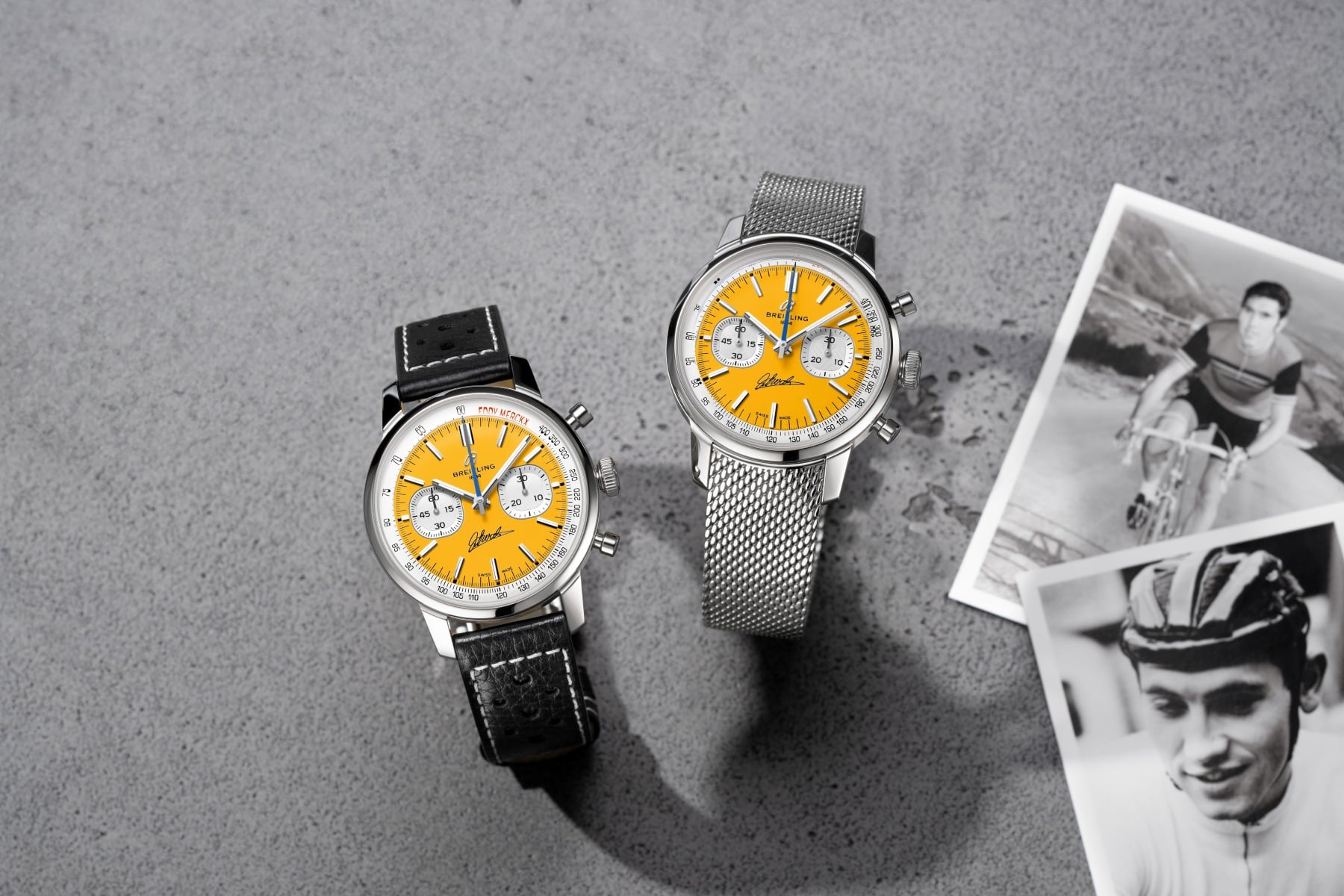
525 Victories, One Dial, and Cycling's Long Wait for a Wrist
Breitling's Eddy Merckx edition doesn't just reference a legend — it asks whether motorsport's younger sibling has finally earned its place in serious watch culture.
From the other desks.

800 Horsepower, One Ton of Doubt
Lamborghini built the most powerful SUV it's ever made. It's also slower than what it replaced.

ESPN Named Him. Then Unnamed Him. Nobody's Explaining the Gap.
A retraction without a reckoning is just a deleted link.

Hide My Email Has Been Showing Your Email
Apple's privacy flagship has a hole in it. They've known for over a year.