Three Straps Walk Into a Room That Used to Belong to Sneakers
Converse, New Balance, and adidas didn't reinvent the shoe — they admitted something about who's wearing them.
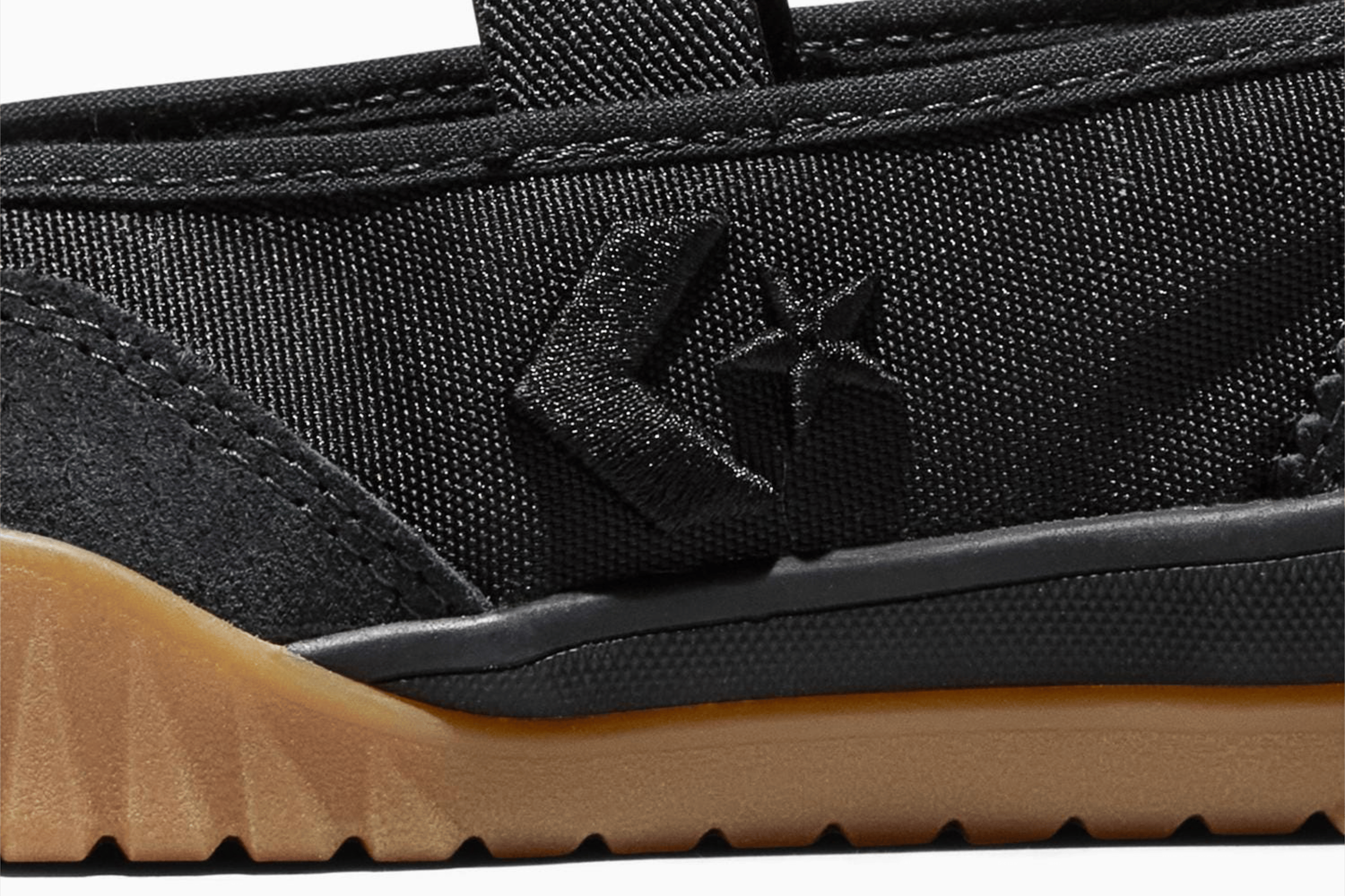
Photo · Highsnobiety
The Strap as Confession
There's a moment in fashion when something that was always practical suddenly gets permission to be desired. Not discovered — it was always there. Just finally allowed to want things for itself.
The Mary Jane strap is having that moment. Not a single brand's strap. All of them, roughly at once, which is either a coincidence or the kind of cultural convergence that makes you stop and look at what's actually being said.
Converse brought a chunky Mary Jane to the table — the canvas-and-rubber DNA intact, the silhouette recognizable, but with an attitude that Highsnobiety described as street-ready and unambiguously bold. New Balance, a brand that built its modern identity almost entirely on the dad shoe, dropped something called the Flat Breeze Mary Jane — slim, quiet, precisely the opposite of everything that made them famous for the last decade. And adidas took the Samba, already one of the more ubiquitous silhouettes walking around any city right now, and buckled a strap across it to create the Samba Jane, a shoe that one Highsnobiety writer called a buttery stunner — the classic flat energy of the original merged with something that reads almost like a school uniform reference.
Three brands. Three interpretations. One shared instinct.
What the Strap Is Actually Doing
Here's what strikes me about this: the Mary Jane strap has historically been associated with a very specific register. Childhood. Propriety. Sunday clothes. The kind of shoe your grandmother approved of. Then it spent decades in fashion's periphery — worn by people who understood the irony, or by designers deliberately invoking innocence to undercut it.
But what Converse, New Balance, and adidas are doing doesn't feel ironic. It feels sincere. The Converse version isn't winking at you. It's just confident. The New Balance Flat Breeze is genuinely dainty — a word you would not have used in the same sentence as New Balance two years ago without someone laughing. The adidas Samba Jane is, as described, sleek and leather and takes itself seriously.
They're not borrowing the Mary Jane's nostalgia. They're borrowing its clarity. A strap says: this is intentional. I am not just slipping something on. I chose this shape, this closure, this silhouette. There is nothing utilitarian about a single strap across the foot — it doesn't make the shoe more secure in any meaningful way. It just makes it more considered.
And that, I think, is what's actually happening here. These are performance and streetwear brands — brands whose entire identity was built on function first, or at least the aesthetic of function first. The Mary Jane strap is them admitting, in product form, that they also want to be cute. That their customer has always wanted both and was just waiting to be met there.
The Anti-Dad Shoe Isn't a Rejection. It's an Expansion.
Highsnobiety called the New Balance Flat Breeze the anti-dad shoe, and that framing is useful but maybe slightly misleading. It implies the brand is running from something. I don't think that's right. New Balance didn't abandon the chunky silhouette — they just proved they could hold more than one idea at the same time.
That's harder than it sounds. Brand coherence is a real thing, and the easiest way to lose it is to chase every trend until nobody knows what you stand for. But the Mary Jane isn't a trend in the way a colorway or a collaboration is a trend. It's an archetype. And archetypes have weight — they can be interpreted without being appropriated, worn without being ironic, revisited without being nostalgic.
Converse has been an archetype brand its entire existence. The Chuck Taylor is so embedded in collective memory that you can do almost anything to it and people will still understand what it is. A Mary Jane Converse isn't a departure — it's a natural extension of a brand that has always been more interested in self-expression than performance. What's notable is that the chunky version described by Highsnobiety brings real physical presence to the silhouette. Main character energy, they called it. That phrase is overused, but here it's accurate: this is a shoe that occupies space.
The Samba Jane might be the most interesting of the three because the Samba already carries so much weight. It's been the it-shoe for a stretch now, worn by enough people that its cultural meaning has gotten complicated — simultaneously genuine and oversaturated. Bolting a strap onto it doesn't reset that. But it does something subtler: it says there's a version of this shoe that belongs to a different conversation. Not the streetwear conversation. The one about how you dress when you want to look like you've thought about it without trying to look like you've thought about it.
Permission Slips
I keep returning to the word permission. Because that's what a trend wave like this actually grants. It's not that women couldn't wear a Mary Jane from a sneaker brand before. Of course they could. It's that now the brands themselves have said: this is part of who we are. We made this. We meant it.
That matters more than it should, and less than it used to. But it still matters. Someone will put on the Flat Breeze and feel like they're wearing something that their usual brand finally made for them specifically. Someone will lace — or buckle — into the Samba Jane and feel like the shoe is doing some of the work of saying who they are.
That's what shoes have always done. The strap is just a more honest way of admitting it.
Keep reading fashion.

Gold Leaf on a Lacquer Dial, and the Weight of What That Costs
Awake's Frosted Leaf Royal Blue asks a question Vietnamese craft has never quite had to answer at this price.
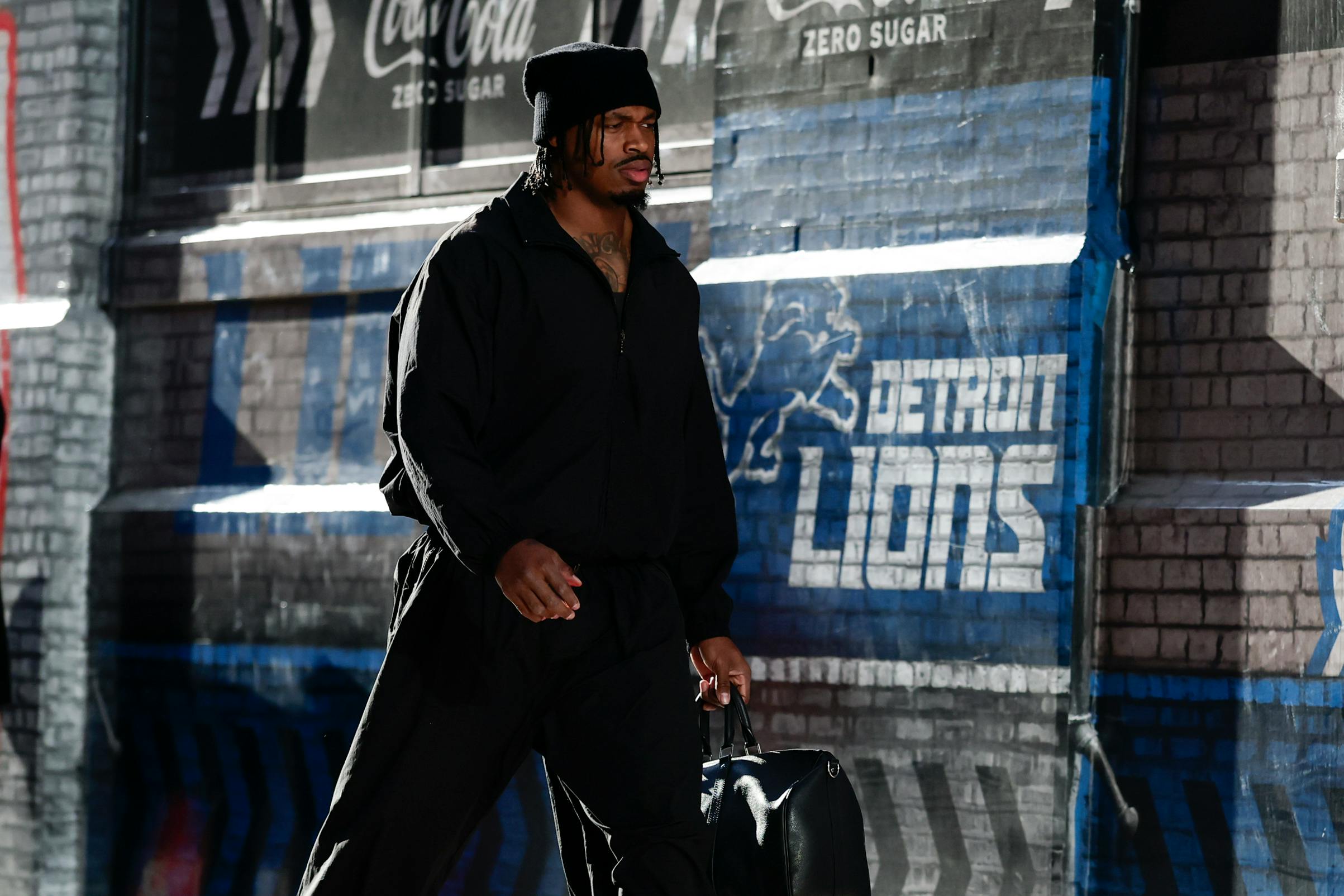
Kyle Smith Has a Job Title That Didn't Exist Before. That's the Whole Tell.
When the NFL hires a fashion editor, it's not about clothes — it's about who gets to decide what matters.
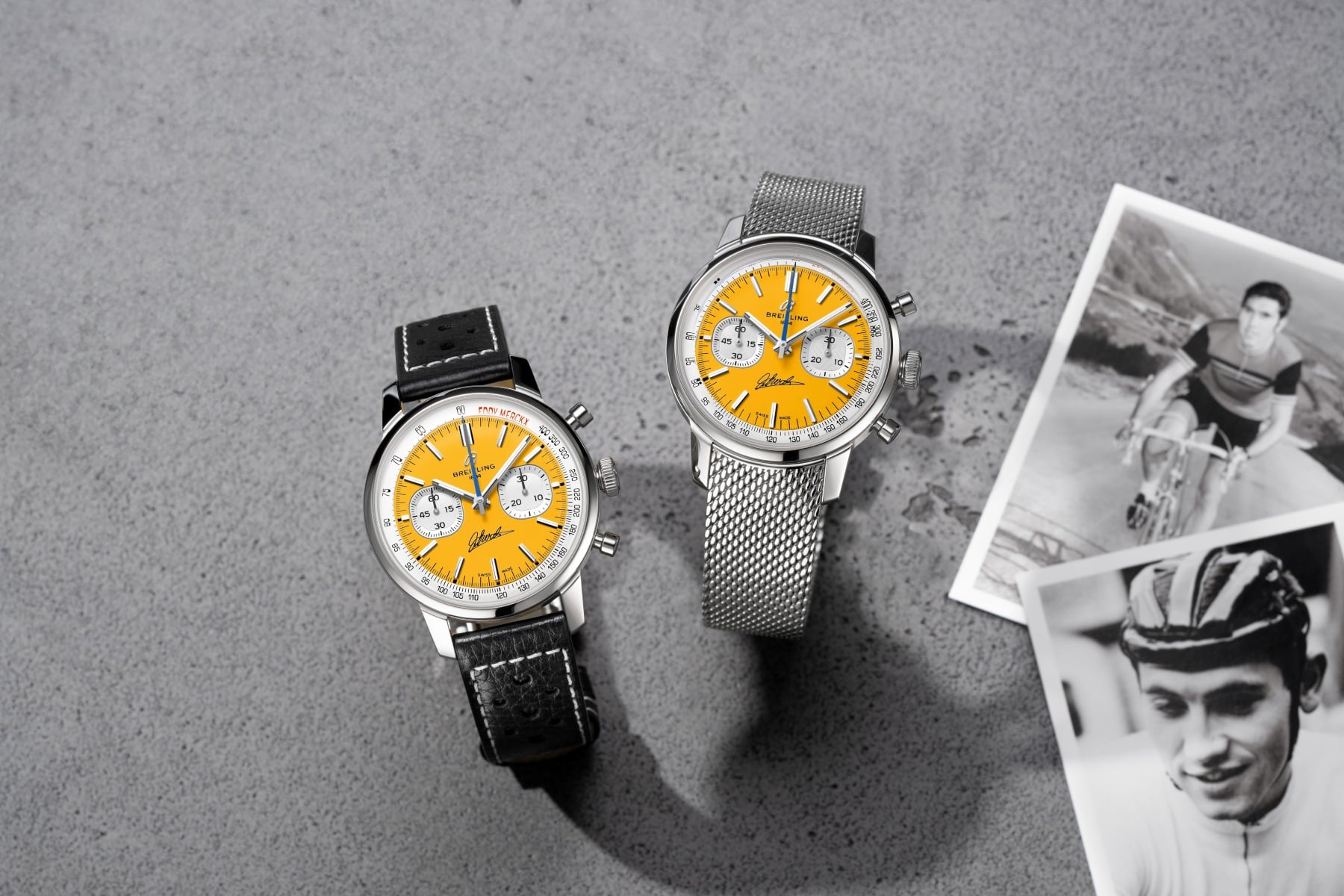
525 Victories, One Dial, and Cycling's Long Wait for a Wrist
Breitling's Eddy Merckx edition doesn't just reference a legend — it asks whether motorsport's younger sibling has finally earned its place in serious watch culture.
From the other desks.

800 Horsepower, One Ton of Doubt
Lamborghini built the most powerful SUV it's ever made. It's also slower than what it replaced.

ESPN Named Him. Then Unnamed Him. Nobody's Explaining the Gap.
A retraction without a reckoning is just a deleted link.

Hide My Email Has Been Showing Your Email
Apple's privacy flagship has a hole in it. They've known for over a year.