Six New Watches Walk Into a Room. Only One Costs What You Think.
Across six new releases, the watch industry is quietly rewriting who the product is actually for.
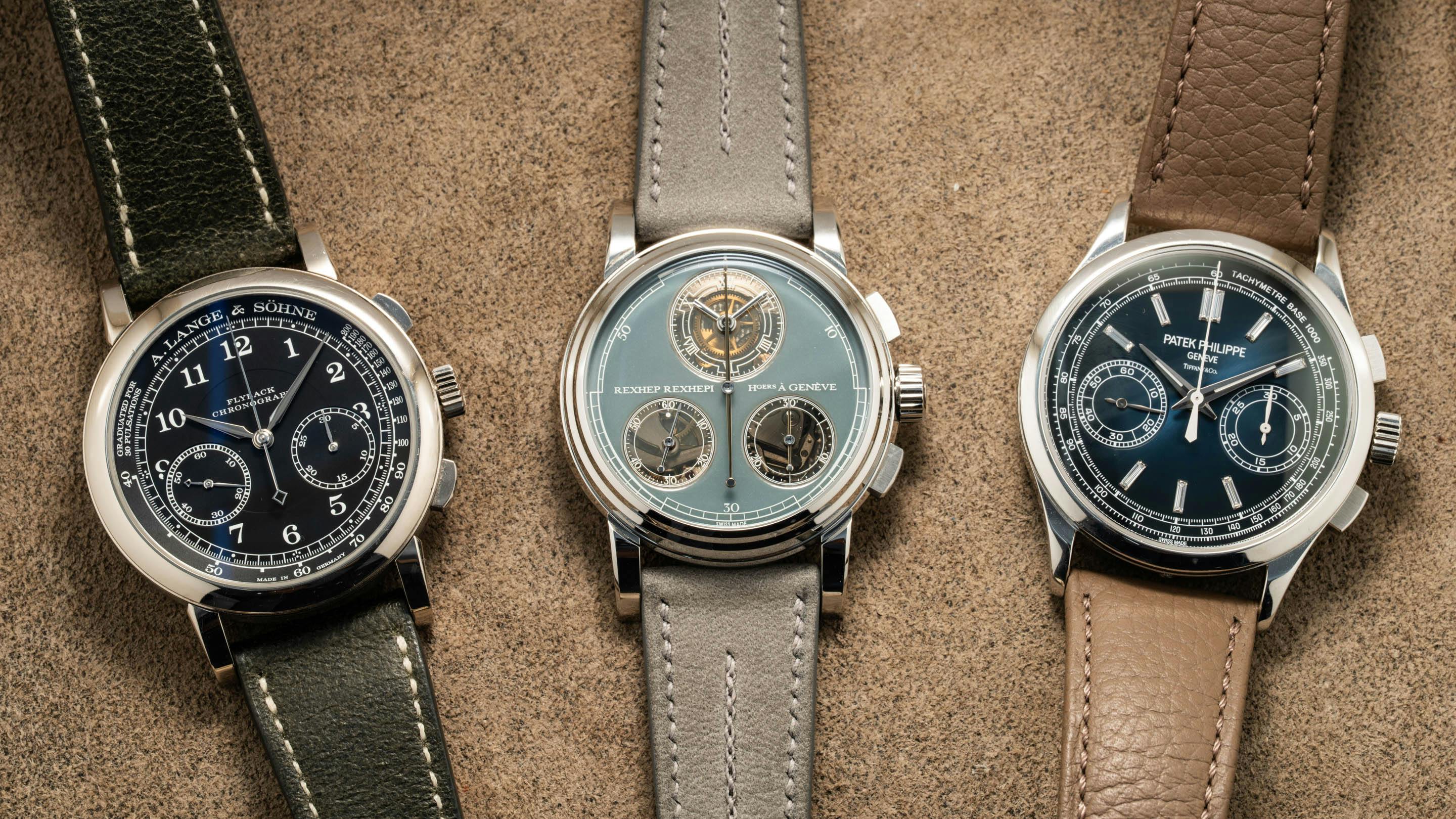
Photo · Hodinkee
The Show Floor Is Lying to You
There's a version of watch coverage that exists entirely in its own atmosphere — rarefied, reverent, where a photograph of a movement is its own argument for existence. Hodinkee published exactly that this season: a spread of Rexhep Rexhepi's new chronograph flyback positioned beside Patek Philippe and A. Lange & Söhne references, nearly wordless, the images doing the theology. It's beautiful work, and it represents maybe three percent of the people who will read it.
The other ninety-seven percent are somewhere else entirely.
And that's where things get interesting. Because when you step back from any single release and look at what dropped this season across the whole spectrum — Rexhepi next to Yema next to Venezianico next to Fears — a different story emerges. The industry is not consolidating around exclusivity. It's quietly, almost reluctantly, building a broader door.
The Watches Nobody Argues About
Tudor turned 100 this year. Monochrome noted that expectations were high — some anticipated sweeping new collections, dramatic gestures, fireworks to match the centenary. What arrived instead was the Tudor Monarch, which Monochrome called unexpected yet successful. A return, not a revolution. Controlled. The brand chose coherence over spectacle.
Cartier did something structurally similar. The Santos de Cartier Chronograph — a silhouette with roots in one of watchmaking's most storied origin stories — now comes in a smaller generation. The move toward accessibility in sizing is also, inevitably, a move toward accessibility in audience. A smaller Santos reaches wrists that the previous proportions excluded. Cartier wouldn't frame it that way. They rarely do. But the math is there.
Venezianico is less coy about it. Founded in 2017, the Italian brand has built its identity around character and price point in equal measure — watches that pull from Venetian visual culture and land at prices that don't require a conversation with your accountant. Their new Arsenale Calendario, covered by Monochrome, is described as an accessible take on the integrated bracelet watch. That phrase — accessible take — is doing real work. The integrated bracelet has been one of the most status-loaded design moves in the category for years. Venezianico is not intimidated by that history. They're making it available.
Yema is doing something adjacent over in France. The Skin Diver Slim Full Lume CMM.20 Limited Edition, which a Fratello writer reviewed after spending time with several Yema releases, lands in the brand's tradition of quirky classics. It's a limited edition, yes, but Yema's version of limited is not Patek's version of limited. The brand's appeal has always lived in its specificity — watches that feel like they have a personality, not just a provenance.
And then there's Fears. The revitalized British brand released its first pilot's watch in 180 years alongside new iterations of existing favorites, according to Worn & Wound. Vintage-inspired, modern movements underneath. A brand rebuilding its identity in public, one considered release at a time.
What connects Yema, Venezianico, and Fears is not price alone. It's intentionality at a scale that doesn't require mythology. These aren't watches asking you to believe in a lineage. They're asking you to like the object.
What This Season Actually Said
The Rexhepi spread in Hodinkee is not the story of watchmaking right now — it's the ceiling, and the ceiling is important, but it is not the floor the industry is standing on. The floor is getting wider. Smaller Santos cases. Italian integrated bracelets at approachable prices. British pilot's watches from a house most people forgot existed. A French diver that glows in the dark and doesn't take itself too seriously.
Every industry has its version of the aspirational object placed next to the accessible one, hoping the shine travels. What's different here is that the accessible watches are earning their shelf space on their own terms — not because they're near something expensive, but because someone decided to care about them the same way.
The gateway watch was always the real product. Someone just finally started treating it like one.
Keep reading fashion.

Gold Leaf on a Lacquer Dial, and the Weight of What That Costs
Awake's Frosted Leaf Royal Blue asks a question Vietnamese craft has never quite had to answer at this price.

Kyle Smith Has a Job Title That Didn't Exist Before. That's the Whole Tell.
When the NFL hires a fashion editor, it's not about clothes — it's about who gets to decide what matters.
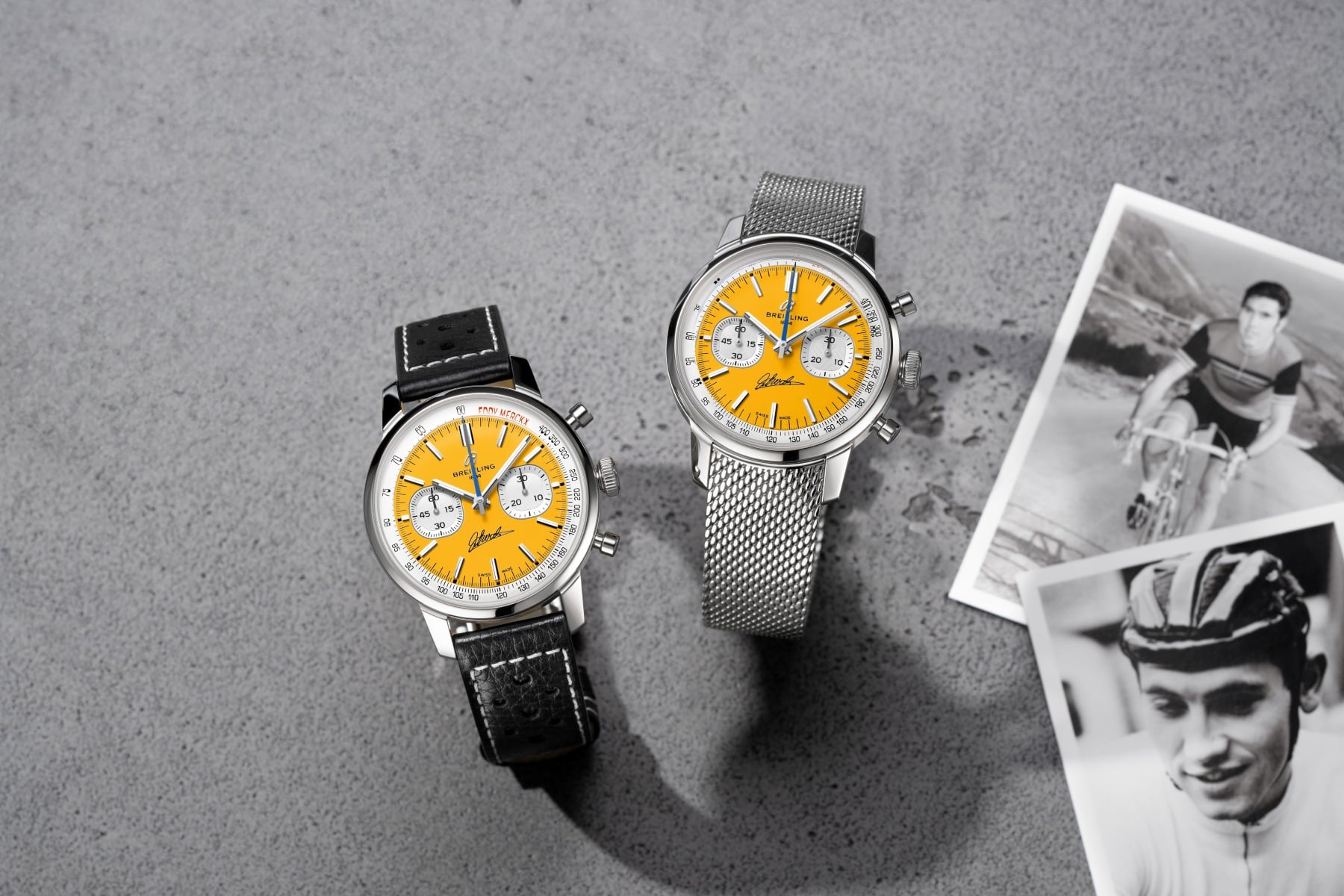
525 Victories, One Dial, and Cycling's Long Wait for a Wrist
Breitling's Eddy Merckx edition doesn't just reference a legend — it asks whether motorsport's younger sibling has finally earned its place in serious watch culture.
From the other desks.

800 Horsepower, One Ton of Doubt
Lamborghini built the most powerful SUV it's ever made. It's also slower than what it replaced.

ESPN Named Him. Then Unnamed Him. Nobody's Explaining the Gap.
A retraction without a reckoning is just a deleted link.

Hide My Email Has Been Showing Your Email
Apple's privacy flagship has a hole in it. They've known for over a year.