Elon Musk Filed a Lawsuit. OpenAI Settled a Different One.
While Musk argued about betrayed ideals in a federal courtroom, OpenAI was quietly renegotiating the deal that made those ideals irrelevant.
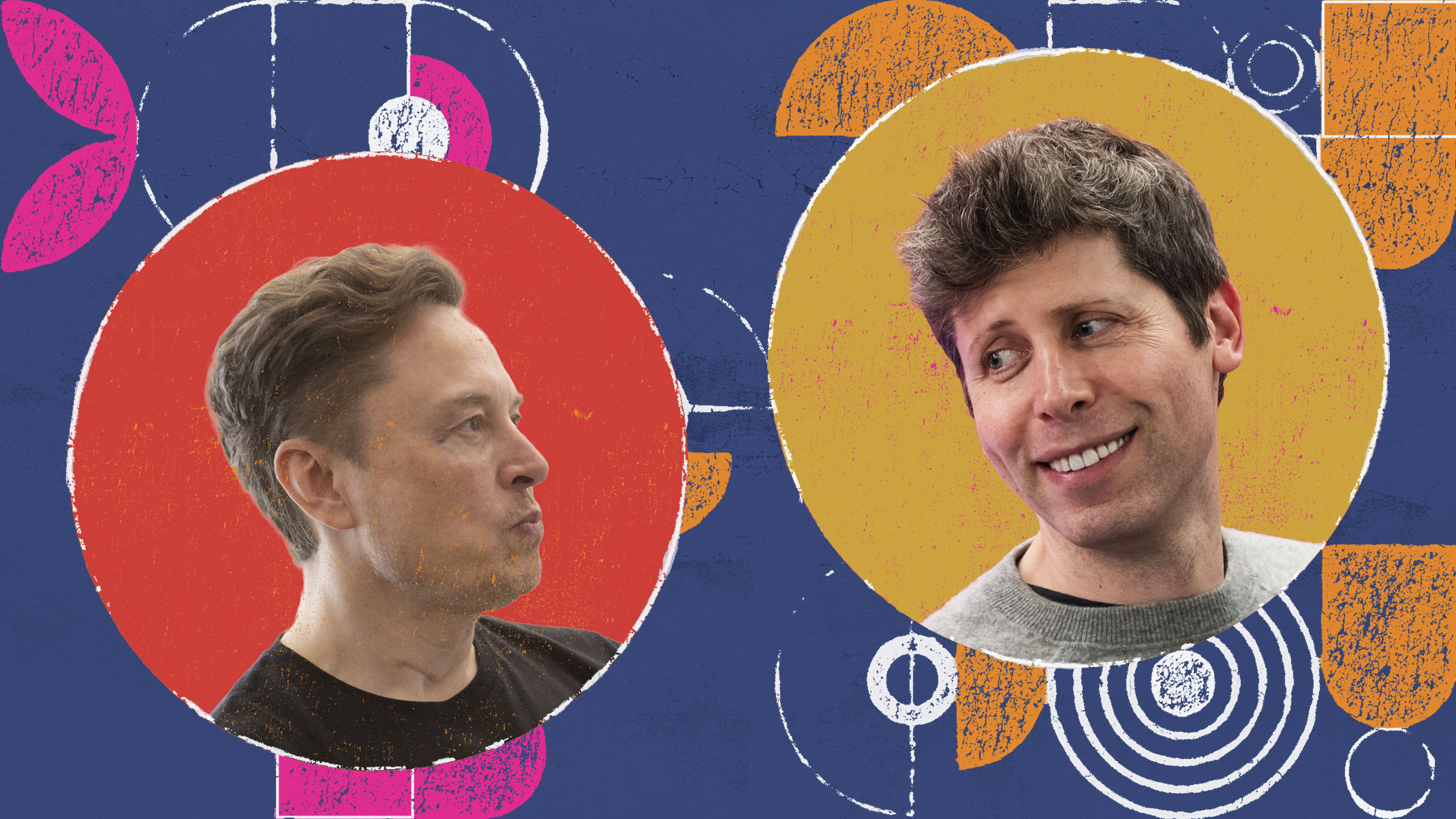
Photo · Ars Technica - All content
There is a trial happening in federal court in Oakland. Elon Musk versus OpenAI, Sam Altman across the aisle, arguments about mission and betrayal and the soul of artificial intelligence. It is, by any measure, a serious proceeding with serious stakes.
And it is almost certainly not the most important thing OpenAI did this week.
The Real Negotiation
While Musk's legal team was laying out its case, OpenAI was finishing a renegotiated partnership agreement with Microsoft — one that, according to reporting from both TechCrunch and Ars Technica, ends the exclusivity arrangement that had defined their relationship and clears the way for OpenAI models to run on Amazon's cloud infrastructure. Microsoft gets more cash through a revenue-share agreement. OpenAI gets Amazon. Everyone shakes hands.
Read that twice. The company being sued for abandoning its nonprofit mission just negotiated itself out of an exclusive arrangement with its largest shareholder — the same arrangement that, for years, was the structural fact of its commercial existence. The exclusivity wasn't incidental. It was the architecture. And now it's amended, quietly, while the cameras were pointed at a courtroom.
That's not a coincidence. That's choreography.
What Leverage Actually Looks Like
Musk's lawsuit, as covered by Ars Technica, centers on whether OpenAI departed from its founding mission — the argument being that a nonprofit built to benefit humanity shouldn't be running itself like a for-profit enterprise chasing cloud deals and Amazon revenue share. It's a coherent legal theory. It's also, at this particular moment, almost poignant in its timing.
Because if the exclusivity arrangement was a problem — a constraint on OpenAI's ability to operate freely, to reach more infrastructure, to run on AWS — then the way you solve that problem is exactly what just happened. You renegotiate. You give Microsoft something. You get the freedom you wanted. Nobody goes to court over it.
The contrast is clarifying. One man is in a federal building arguing about principles. The company in question is elsewhere, signing the kind of deal that makes principles academic.
Wired noted that Musk used his own platform to amplify critical coverage of Altman as the trial began — which is either a sign of genuine outrage or the most expensive social media strategy in Silicon Valley history. Maybe both. Musk has never been shy about mixing the personal and the strategic, and this trial is soaked in both. Ars Technica flagged that his own shifting public statements about AI risk could complicate his legal positioning — a man who has oscillated on the dangers of the technology now arguing in court that a company should have been more cautious with it.
That's the kind of detail that makes a jury think. It's also the kind of detail that makes the whole proceeding feel less like a principled stand and more like a negotiation that moved to the wrong venue.
What Settlements Confess
Here's what I keep coming back to: when Microsoft agreed to let OpenAI run on Amazon's infrastructure, they weren't doing OpenAI a favor. They were acknowledging that the exclusivity had become a liability — for both of them. A deal structured for one moment in AI's development, now creaking under the weight of a different moment. The amendment is a confession that the original terms were always about leverage, not loyalty.
Which means Musk's lawsuit, whatever its legal merits, was also always about leverage. The idealism in the complaint is real enough — people who were there at the founding genuinely believed in something. But the mechanism chosen to defend that idealism is a federal lawsuit filed by a man who then launched a competing AI company. The nonprofit mission and the competitive interest arrive in the same vehicle, and you don't get to pretend one isn't driving.
The trial will go on. Altman will testify. Musk will testify. Arguments will be made about what was promised and what was delivered.
Meanwhile, OpenAI's models are headed to Amazon Bedrock, Microsoft got its revenue share, and the exclusive arrangement that once defined the whole relationship is already history.
Principle is whatever you can get someone to sign.
Keep reading tech.

Hide My Email Has Been Showing Your Email
Apple's privacy flagship has a hole in it. They've known for over a year.

Sony Killed the Disc. Sony Is Also Killing the Store.
Two announcements, one company, and a quiet admission that "ownership" was always their word to define.
Apple Went to the Highest Court It Could Find. That Tells You Everything.
When a contempt ruling sends you to the Supreme Court, you're not defending a policy anymore — you're defending a worldview.
From the other desks.

800 Horsepower, One Ton of Doubt
Lamborghini built the most powerful SUV it's ever made. It's also slower than what it replaced.

Gold Leaf on a Lacquer Dial, and the Weight of What That Costs
Awake's Frosted Leaf Royal Blue asks a question Vietnamese craft has never quite had to answer at this price.

ESPN Named Him. Then Unnamed Him. Nobody's Explaining the Gap.
A retraction without a reckoning is just a deleted link.