OpenAI Needed the Money. Now It Doesn't Need the Deal.
Microsoft's $13 billion bought a head start, not a leash — and OpenAI just made that official.
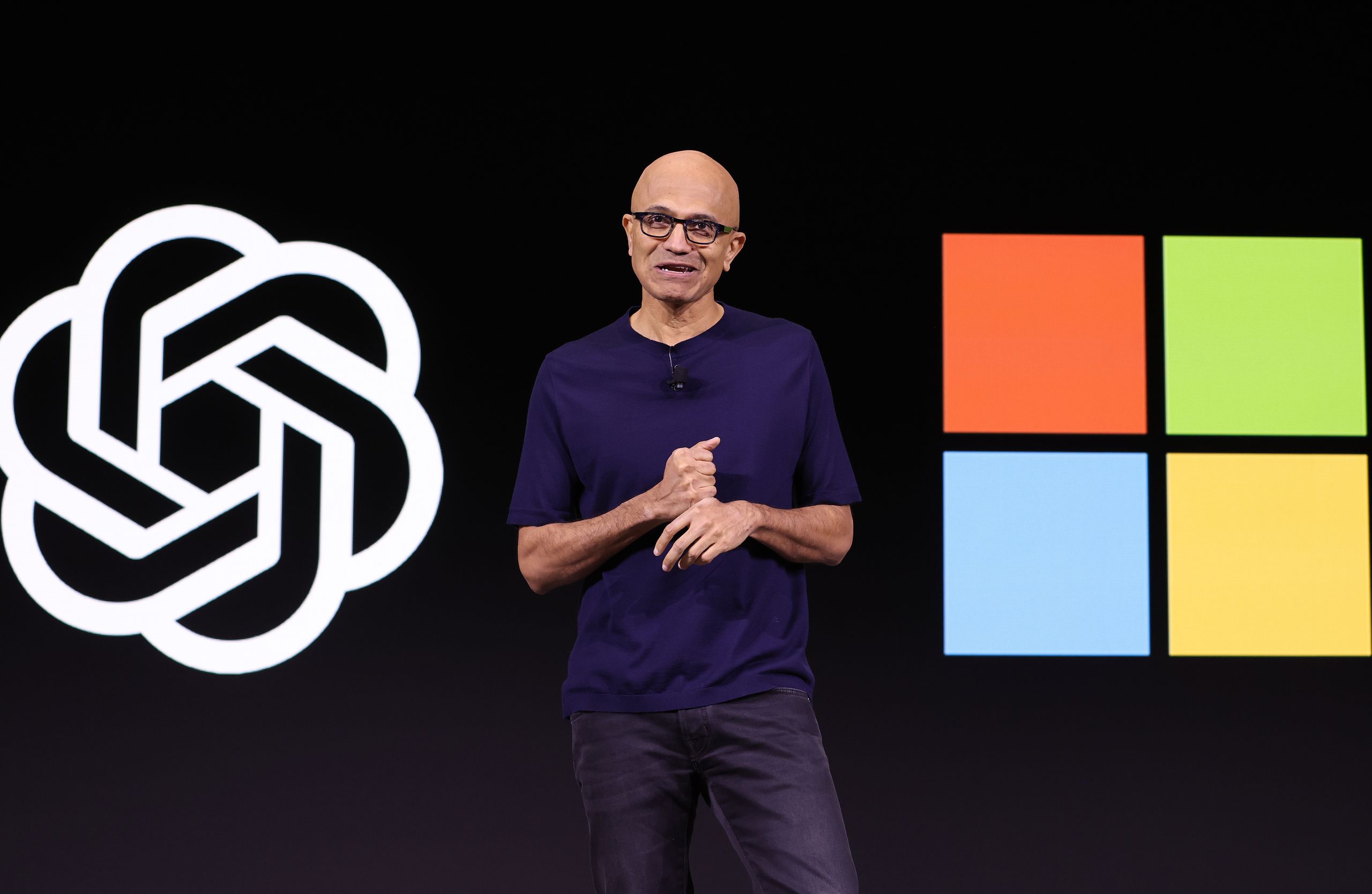
Photo · Latest from Tom's Hardware
There's a version of this story where everyone wins. Microsoft keeps its revenue share through 2030, retains a model license through 2032, stays OpenAI's primary cloud partner, and gets first access when new products ship. OpenAI, meanwhile, gets to work with Amazon, Google, or anyone else it pleases. Sam Altman posted on X that the company is now able to make its products and services available across all clouds. The Register called it an "open relationship." Everyone's being very mature about this.
Don't buy the civility.
What the Announcement Actually Admits
Exclusivity agreements exist because one party needs protection. Microsoft needed OpenAI to not defect while it built Azure into the default infrastructure for the AI moment. OpenAI needed Microsoft's capital to survive long enough to matter. Both parties got what they needed. The agreement was never love — it was mutual dependency dressed up as partnership, and the press release language about "primary cloud partner" and "first access" is how you describe a relationship after the leverage has shifted.
Because it has shifted. OpenAI no longer needs to be tethered to a single cloud provider to stay solvent. It's big enough now to play Amazon and Google against each other, to negotiate its own terms, to shop infrastructure the way enterprise clients have always shopped software vendors. The exclusivity ending isn't a breakup — it's OpenAI graduating from a deal it needed into a position where it gets to choose.
Microsoft's $13 billion, viewed generously, bought it the formative years. Viewed clearly, it bought a revenue share arrangement and a non-exclusive license that runs until 2032. That's not nothing. But it's also not what it looked like when the checks were being written.
The Cloud Wars Just Got Legible
What this really is: the cloud wars, finally honest. For years, the competition between Azure, AWS, and Google Cloud has been a proxy war fought through enterprise contracts and developer tooling. Now it's going to be fought through AI model access, and OpenAI just told all three providers they're in the running.
That's the part the joint announcement can't quite muffle. Microsoft framing itself as the "primary" partner with first-access rights is technically accurate and strategically defensive. It's the language of a company that knows the moat just got narrower and is making sure everyone understands there's still a moat.
Maybe there is. First-mover access to new models matters when those models are the product. But OpenAI working with Google and Amazon means both of those companies now have a direct line to capabilities they were previously locked out of, and they have the infrastructure scale to do something with it. The race just got more competitors at the front.
The real tell is how routine the announcement tried to sound — a joint post, some cordial language, a CEO tweet. When a deal this significant gets presented as a minor amendment, it usually means somebody wanted to control the narrative before the other interpretation took hold.
The other interpretation: one of the most expensive bets in tech history just revealed its ceiling.
Keep reading tech.

Hide My Email Has Been Showing Your Email
Apple's privacy flagship has a hole in it. They've known for over a year.

Sony Killed the Disc. Sony Is Also Killing the Store.
Two announcements, one company, and a quiet admission that "ownership" was always their word to define.
Apple Went to the Highest Court It Could Find. That Tells You Everything.
When a contempt ruling sends you to the Supreme Court, you're not defending a policy anymore — you're defending a worldview.
From the other desks.

800 Horsepower, One Ton of Doubt
Lamborghini built the most powerful SUV it's ever made. It's also slower than what it replaced.

Gold Leaf on a Lacquer Dial, and the Weight of What That Costs
Awake's Frosted Leaf Royal Blue asks a question Vietnamese craft has never quite had to answer at this price.

ESPN Named Him. Then Unnamed Him. Nobody's Explaining the Gap.
A retraction without a reckoning is just a deleted link.