Al Leiter Has Been on Camera Since 2009. At Some Point, That Became a Classroom.
Three sports media careers, one uncomfortable truth about what broadcasting actually does now.
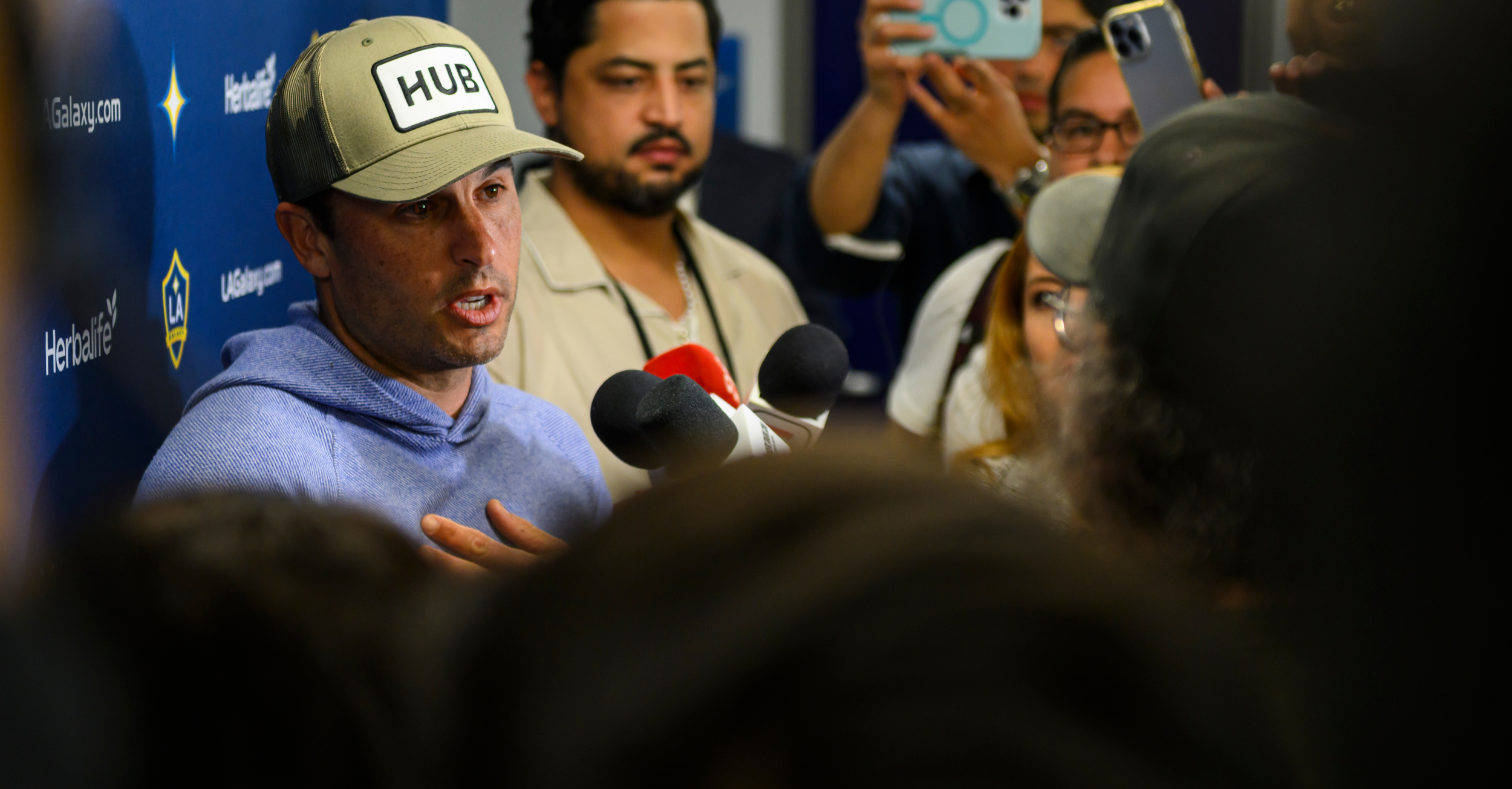
Photo · Awful Announcing
Start with the résumé and you miss the real story.
Al Leiter and Harold Reynolds were in front of MLB Network cameras on the day the channel launched in January 2009. They are still there in 2026. Chris "Mad Dog" Russo has been a prominent voice in sports media for 40 years — best known, as he'll tell you, for the run alongside Mike Francesa on WFAN that stretched from 1989 to 2008. Landon Donovan, meanwhile, is watching what MLS just did with Apple and wondering if the league confused two things that look identical from a distance: being accessible, and being seen.
Three different people. Three different sports. But pull back far enough and you're looking at the same question from three different angles: what is sports broadcasting actually for?
The Ones Who Stayed
Leiter and Reynolds didn't set out to build a curriculum. According to a recent reflection covered by Awful Announcing, the two have come to understand that their work on MLB Network isn't just television — it's instruction. Nearly two decades of explaining pitch sequencing, defensive positioning, situational hitting, to audiences who may be watching a full game for the first time or the thousandth. The longevity isn't incidental. It's the whole mechanism. You cannot teach anything in a single broadcast. You build a vocabulary over years, and then one day a viewer realizes they understood something they didn't used to understand, and they don't remember when it happened.
Russo's version of longevity looks different — louder, more combustible — but the throughline is the same. Forty years in the chair. The WFAN run with Francesa became something close to civic infrastructure for New York sports fans, a daily place to process wins, losses, trades, and grievances out loud. What Russo built wasn't just an audience. It was a habit. And habits, over time, become the thing people reach for when they want to feel oriented.
These are not small achievements. They are also not accidents.
What Donovan Is Watching
Landon Donovan's concern is more forward-looking and, if you sit with it, more unsettling. He's flagged something that came out of a conversation with MLS Commissioner Don Garber — a conversation Garber had on Tim Howard's Unfiltered Soccer podcast — about the Apple deal and what the league was trying to accomplish. Donovan's read, per Awful Announcing, is that MLS is not yet mature enough to walk away from linear television entirely. The logic isn't nostalgia. It's about the difference between a product that's available and a product that's encountered.
Here's what Leiter, Reynolds, and Russo all have that MLS is still building: the casual viewer. The person who didn't choose to watch, who stumbled into it because the channel was on, who stayed because someone on screen made them feel like they were in on something. That's not a streaming behavior. Streaming requires intention. Linear television rewards the accidental audience — and the accidental audience, over time, becomes the base.
The irony is sharp. Cable sports media is dying in every conversation about the future of the industry. But what Leiter and Reynolds built over 17 years — a slow, patient, repetitive act of teaching — only works because a passive medium delivered it to people who weren't looking for it. Russo's 40-year run only makes sense in a world where you turned on the radio during your commute and the show was already happening without you.
Take away linear distribution and you don't just lose eyeballs. You lose the infrastructure for building the kind of familiarity that turns a casual observer into someone who actually cares.
MLS is learning this now, in real time, with real money on the table.
Longevity in sports media was never about being good on camera. It was about being there when someone wasn't looking — and making them glad they stopped.
Keep reading sports.

Maja Chwalińska Walked Into Roland Garros With 500-to-1 Odds and Nobody's Script
When a qualifier with one Grand Slam win to her name reaches a final, the tournament stops being about tennis.

Arnaldi Made His First Grand Slam Semifinal. Then Didn't Walk Out.
A 25-year-old pulled out of the biggest match of his life with 25 minutes to go, and Andre Agassi couldn't find the words.

Hammond Is 15 Miles Away. Illinois Took Four Days to Lose It.
The Bears didn't just threaten to leave — they left, and the gap between those two things was a long weekend.
From the other desks.

Stuttgart Engineered for One World. Beijing Just Built Another.
China's new PHEV tax rules didn't catch Western luxury brands off guard — they exposed how long those brands had been looking the wrong direction.

Zegna Flew to Malibu to Tell You Vacation Has Standards
Alessandro Sartori staged a runway on the California coast. The real argument wasn't about clothes.

Synthetic Faces Just Got Good Enough to Stop Being a Joke
A writer at The Verge noticed AI influencers are harder to spot. The real story is what happens once nobody can tell.