Stuttgart Engineered for One World. Beijing Just Built Another.
China's new PHEV tax rules didn't catch Western luxury brands off guard — they exposed how long those brands had been looking the wrong direction.
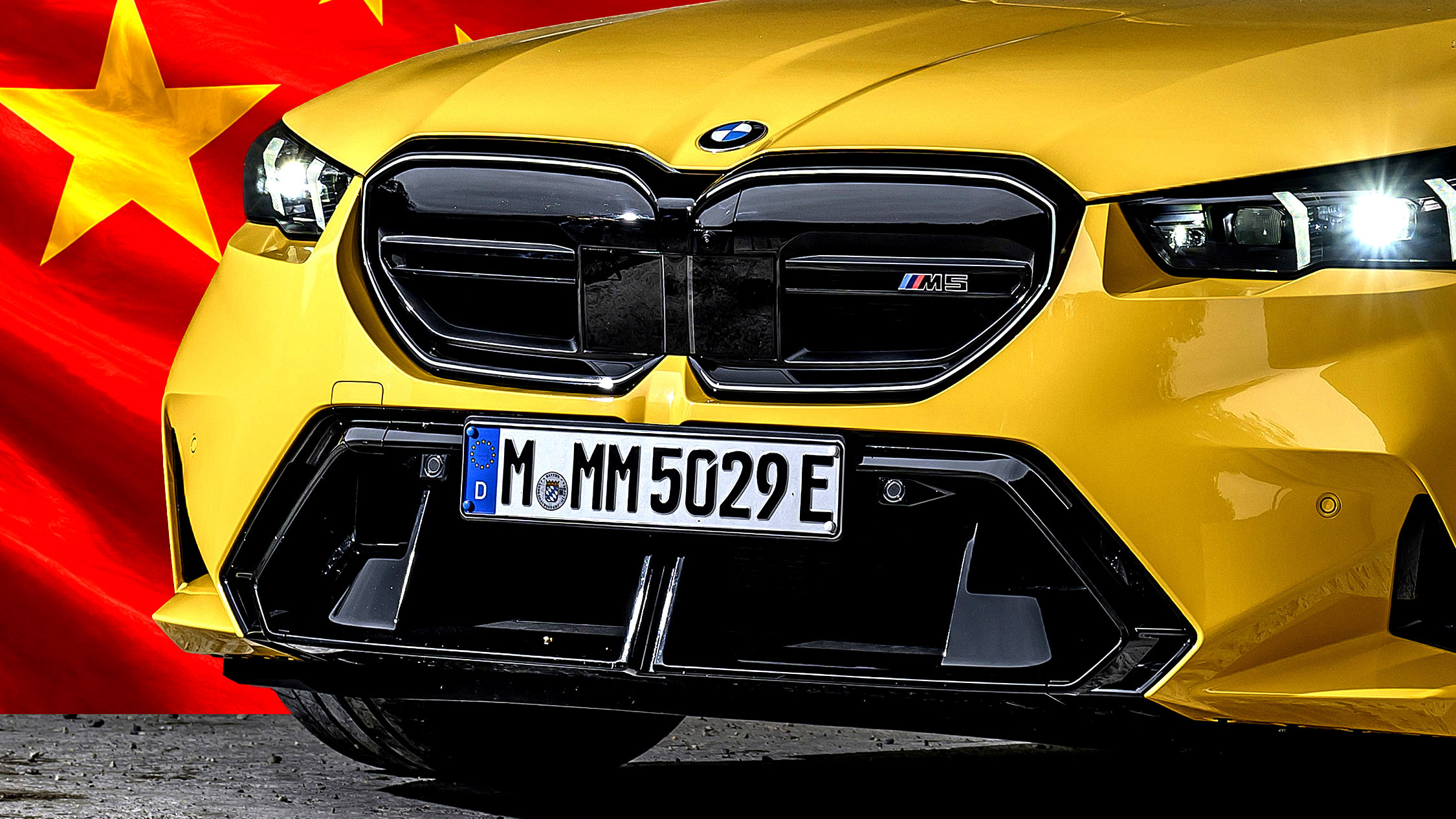
Photo · Carscoops
There's a version of the electric transition that feels inevitable when you're standing in Europe or North America. Ranges improving. Chargers multiplying. The direction is clear, even if the pace is arguable. Then Beijing moves, and the map shifts.
Carscoops has published a piece arguing that China's new tax rules have effectively killed the plug-in hybrid as Western luxury brands have been building it — and the reason that take is worth sitting with isn't the drama of the headline. It's how quietly true it is.
The Policy Didn't Lie
What China changed, according to the piece, is how PHEVs qualify for favorable tax treatment. The threshold moved. Chinese automakers — who have been engineering specifically for this regulatory environment — cleared it. Many Western plug-in hybrids didn't. The result is a cost disadvantage in the world's largest car market at exactly the moment that market is most competitive and least forgiving of legacy assumptions.
This is what policy-led disruption looks like from the outside: not a ban, not a mandate with a megaphone. Just a number on a government document that separates who prepared from who assumed.
The piece from Carscoops frames this as Western luxury brands paying the price, and that framing is right, but it undersells the structural problem. This isn't about one tax cycle. It's about two fundamentally different engineering philosophies running on the same label. "Plug-in hybrid" in a Mercedes context and "plug-in hybrid" in a BYD context have been describing increasingly different objects for years. China just made that official.
The Geography of Inevitability
What strikes me about this moment isn't the tax code. It's what the tax code reveals: that the EV transition was never going to happen uniformly across markets. It was always going to be geography-dependent — driven by whoever set the terms fastest and built the industrial capacity to meet them.
Western brands optimized PHEVs for Western buyers. Reasonable electric range for a commute, a combustion engine for confidence, a charging port to satisfy regulators. That formula worked because Western regulators accepted it. China's regulators have stopped accepting it, and Chinese automakers already had better answers ready.
There's something almost classical about the shape of this. You build for the world you know. Then someone else builds for the world that's coming, and the world comes.
The writer at Carscoops is documenting a cost problem — tax disadvantage, price gap, competitiveness. Those are real. But underneath the cost problem is a perception problem that's harder to fix with an engineering refresh. When a market's domestic brands can point to a government standard and say we meet it, they don't, the conversation about who makes the better car has already been reframed. It's no longer purely about the machine. It's about whose machine belongs here.
Some of these Western PHEVs are genuinely impressive pieces of engineering. That's not in question. What's in question is whether impressive engineering built for a different set of assumptions can be rapidly retuned for a regulatory environment that has already moved on — and whether the brands doing the retuning have enough runway left in China to matter while they do it.
Policies wait for no one. Neither does a market that has somewhere else to look.
Keep reading cars.

Sasquatch Speaks
A mythologized rig finally has a voice, and what it says about extreme RV culture is louder than the build itself.
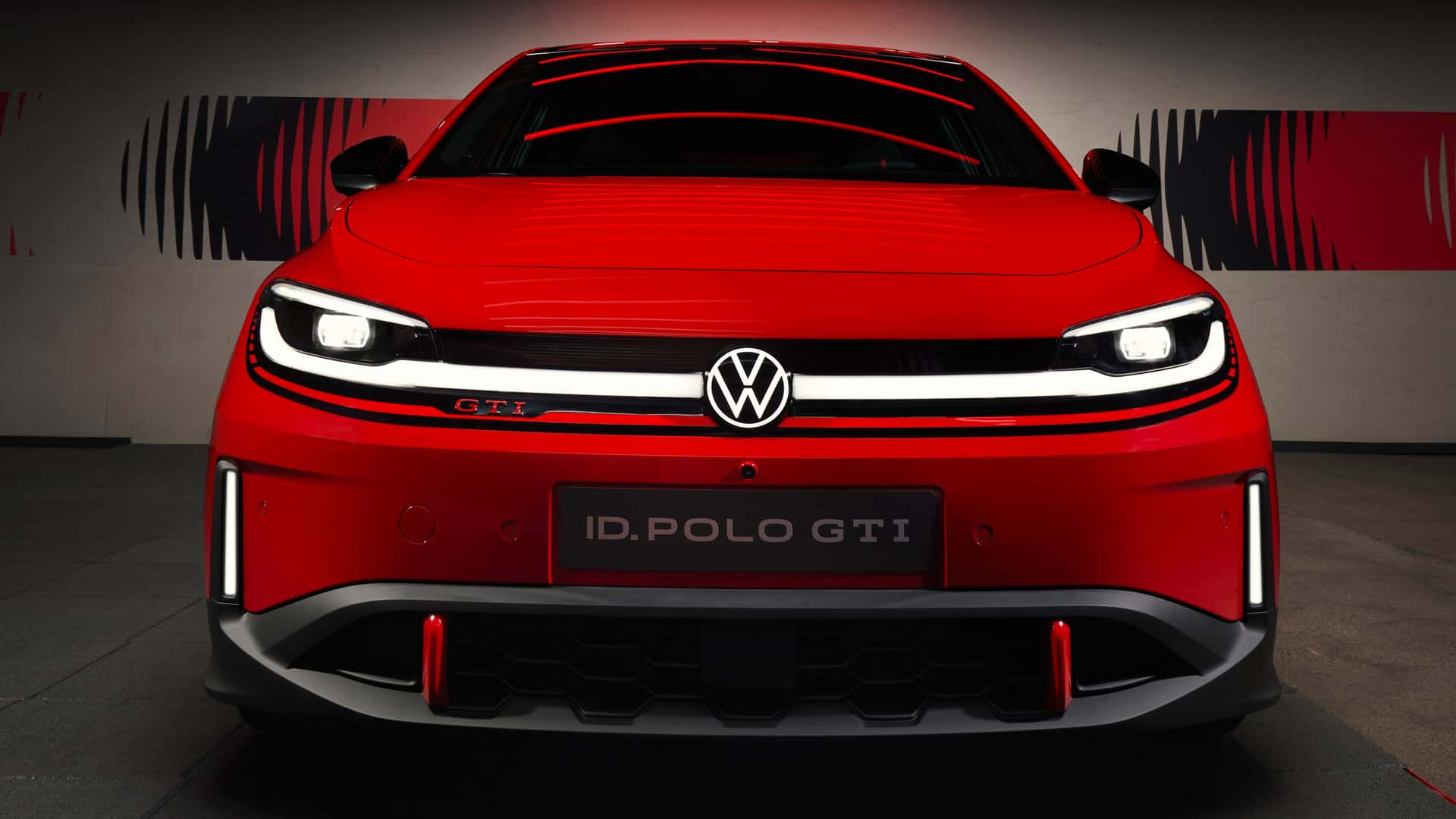
Volkswagen Stopped Selling You the Future. Now It's Selling You a Car.
Two affordable EVs rolling off a Spanish production line say more about where this transition actually stands than any concept ever could.

Carvana Didn't Buy Into Slate. It Bought Into the Vacancy.
When a used-car platform becomes the distribution spine for a new EV brand, the dealership isn't being disrupted — it's being replaced by something that was already there.
From the other desks.

Zegna Flew to Malibu to Tell You Vacation Has Standards
Alessandro Sartori staged a runway on the California coast. The real argument wasn't about clothes.

Al Leiter Has Been on Camera Since 2009. At Some Point, That Became a Classroom.
Three sports media careers, one uncomfortable truth about what broadcasting actually does now.

Synthetic Faces Just Got Good Enough to Stop Being a Joke
A writer at The Verge noticed AI influencers are harder to spot. The real story is what happens once nobody can tell.