Volkswagen Stopped Selling You the Future. Now It's Selling You a Car.
Two affordable EVs rolling off a Spanish production line say more about where this transition actually stands than any concept ever could.
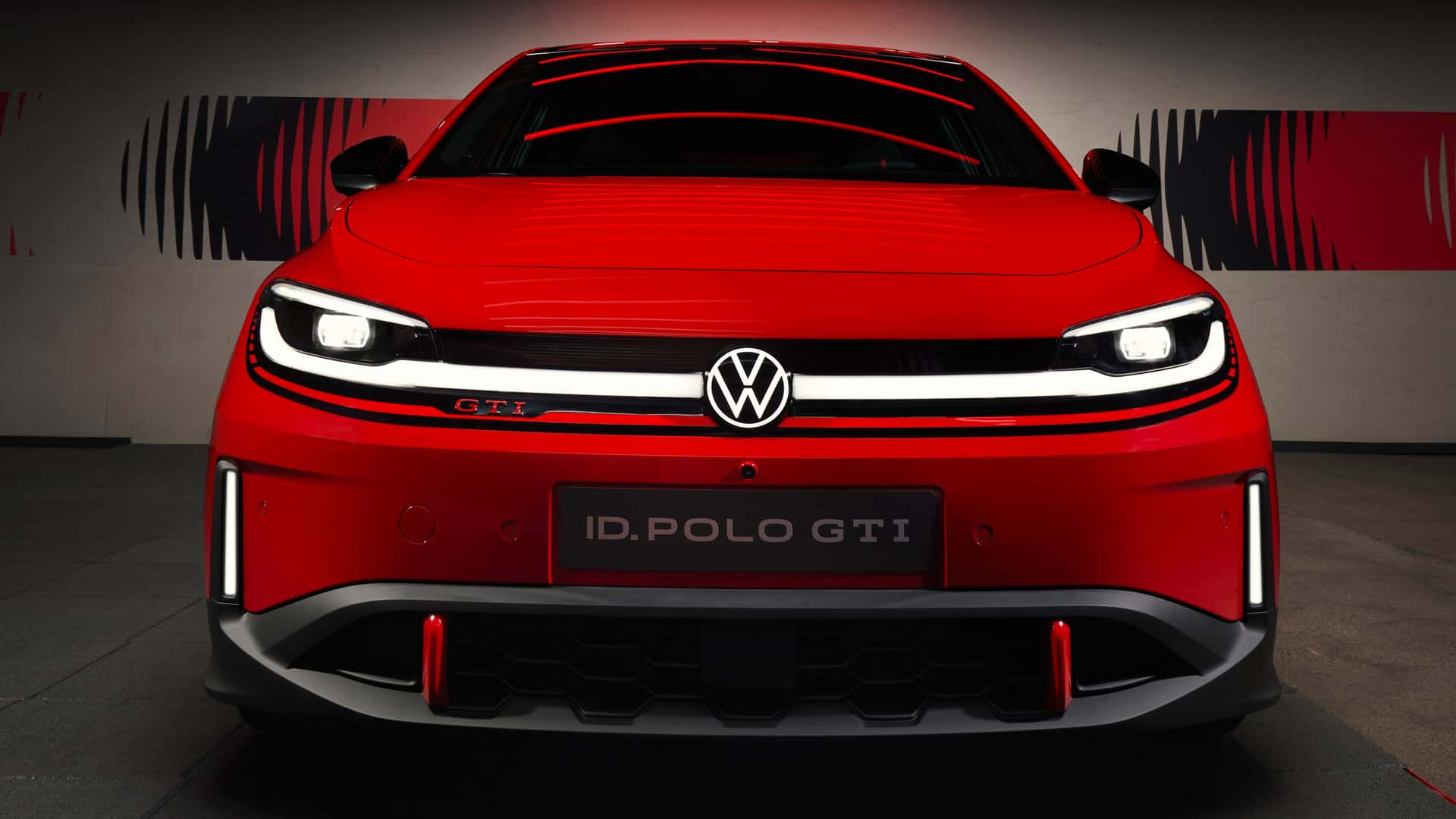
Photo · InsideEVs - Articles
There's a moment in every technology shift when the argument stops and the product starts. Volkswagen just crossed it.
The first ID. Polo and Cupra Raval models have rolled off the line at the Group's Martorell plant in Spain — not a prototype reveal, not a press-event promise, but actual production. According to Electrek, these two represent the opening move in a deliberate push toward affordable, mass-market EVs, the kind of vehicles that don't require a second mortgage or a particular set of values. They just require a need to get somewhere.
And separately, Volkswagen's own positioning has shifted in a way that tells you everything. The company is now comparing internal combustion cars to horses — not as an insult, but as a historical analogy. The framing, as InsideEVs reported, is that horses weren't banned. People simply looked at the alternative and chose it. VW's argument is that the same logic applies here: EVs aren't better because regulators said so. They're just better.
What Changes When Aspiration Leaves the Room
For years, affordable electrification was a contradiction in terms. The entry point kept drifting upward. The conversation stayed theoretical — range anxiety, charging infrastructure, grid capacity, the usual chorus of reasons to wait. What Volkswagen is doing now, quietly and on a factory floor in Spain rather than a stage in Munich, is something different. It's treating EVs like products instead of positions.
The ID. Polo and the Cupra Raval aren't flagships. That's the whole move. When a manufacturer builds something aspirational, they're still asking you to believe. When they build something utilitarian, they've already decided you will. The Martorell production line is Volkswagen acting like the argument is over — because, internally, they think it is.
The horse analogy is blunt to the point of being almost funny, but it's also strategically precise. It removes the moral weight from the conversation. You don't have to care about the planet. You don't have to be early. You just have to recognize what works better for moving through your life. That framing is designed to speak to exactly the people who weren't buying EVs before — the ones who weren't convinced by the mission, only by the math.
The Transition Doesn't Ask Anymore
What both sources point to, without quite saying it together, is that mass-market electrification has stopped being a vision and started being a logistics problem. The question is no longer will people accept EVs. It's can you build enough of them, at the right price, before someone else does.
Volkswagen is betting the Martorell plant is part of the answer. Two models to start, more implied. The Group is treating this like a rollout, not a revelation.
That shift in posture — from aspiration to inevitability — is the real story here. Not the specs, not the range numbers, not even the price. The story is that one of the world's largest automakers has stopped asking whether you're ready and started building cars for when you are.
Horses didn't disappear because anyone banned them. They just became the slower option.
Keep reading cars.

800 Horsepower, One Ton of Doubt
Lamborghini built the most powerful SUV it's ever made. It's also slower than what it replaced.

£11,990 Draws a Line Under Every Excuse You Had Left
Dacia just made the cheapest new car in Britain electric — and that's not a footnote, it's a verdict.
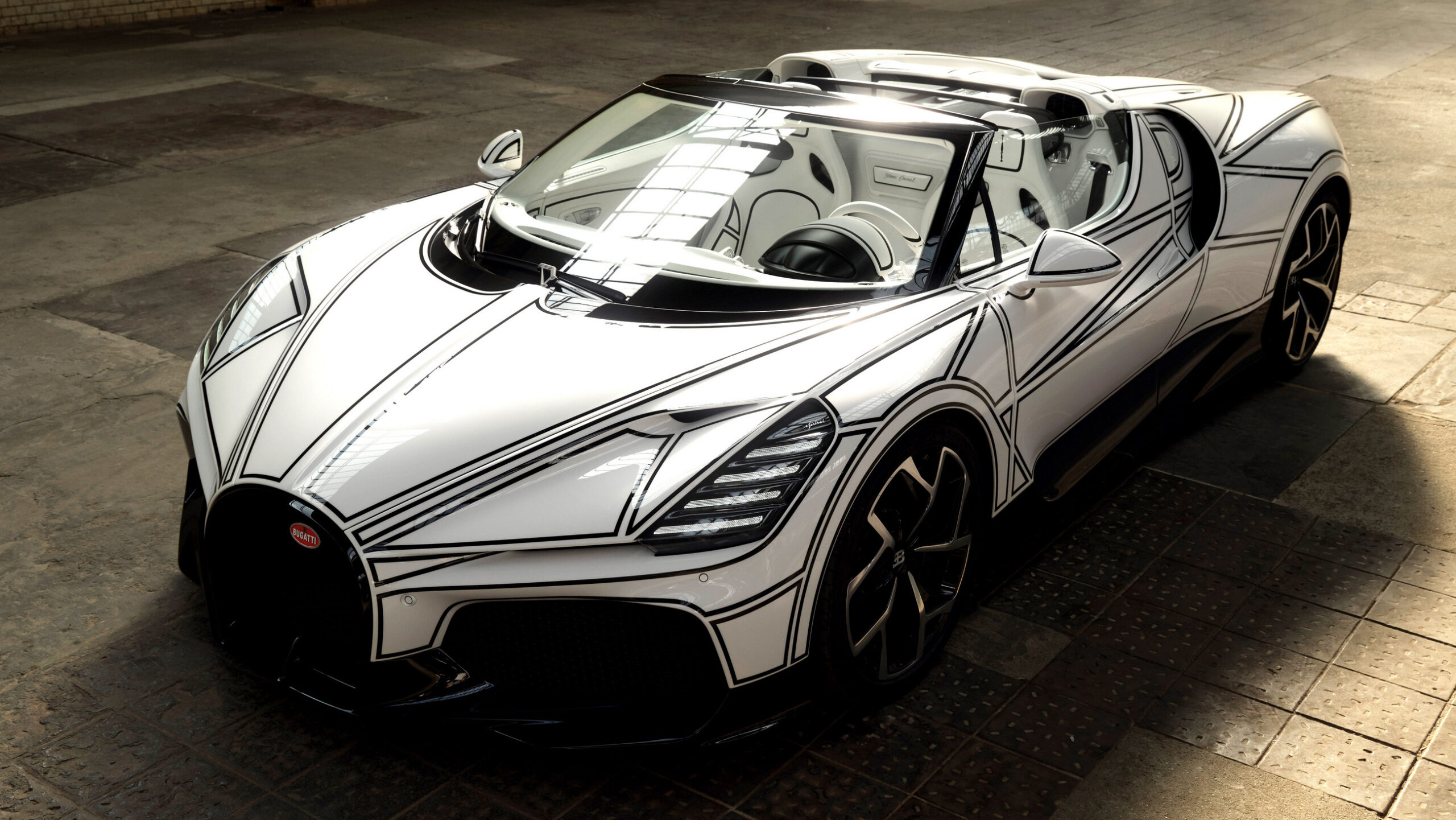
Blanc Éternel Hides Its Speed Behind a Gas Cap
Bugatti built a 261-mph roadster and made sure you'd notice the porcelain first.
From the other desks.

Gold Leaf on a Lacquer Dial, and the Weight of What That Costs
Awake's Frosted Leaf Royal Blue asks a question Vietnamese craft has never quite had to answer at this price.

ESPN Named Him. Then Unnamed Him. Nobody's Explaining the Gap.
A retraction without a reckoning is just a deleted link.

Hide My Email Has Been Showing Your Email
Apple's privacy flagship has a hole in it. They've known for over a year.