Sasquatch Speaks
A mythologized rig finally has a voice, and what it says about extreme RV culture is louder than the build itself.
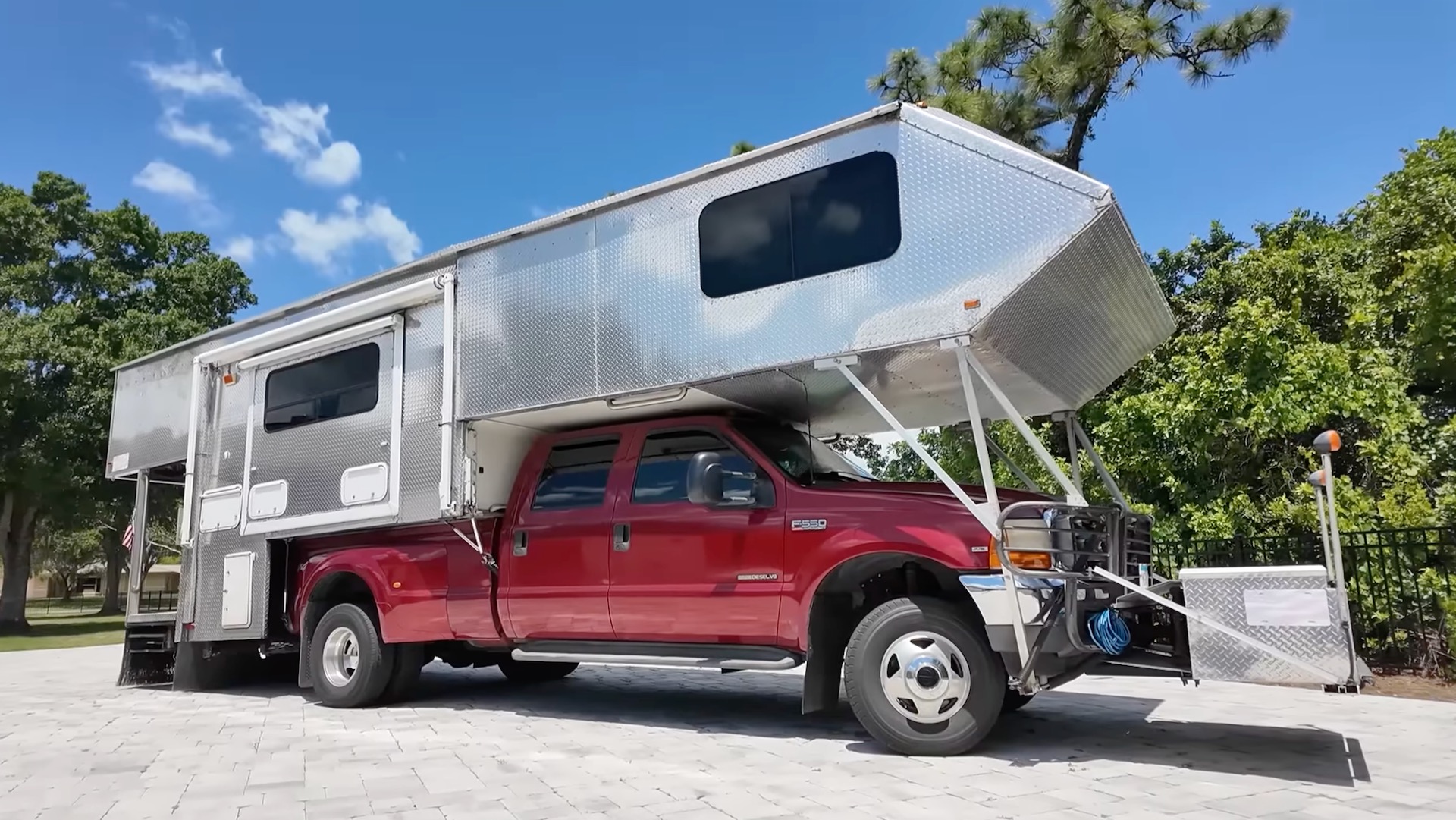
Photo · The Drive
For years, it existed the way legends do — glimpsed, circulated, argued about in forums where nobody had the full story. A Ford Super Duty camper so aggressively built that The Drive called it one of the most extreme RVs ever made. The Sasquatch of custom rigs. And then, finally, the owner talked.
That's the moment worth paying attention to. Not the build specs, not the clearance numbers or the roofline or whatever powertrain is doing the hauling. The moment worth paying attention to is that someone at The Drive tracked this person down, and the owner spoke — because that shift, from anonymous artifact to declared identity, tells you something about where extreme RV culture has landed.
Scale as Autobiography
There's always been a version of this — the person who builds something so far past practical that practicality stops being the point. What's changed is the cultural grammar around it. A decade ago, an oversized custom rig was a curiosity, maybe a punchline. Now it's a statement of self. The build is the biography.
A writer at The Drive frames this as a vehicle story, and fair enough — the machine clearly earns that framing on its own terms. But the more interesting piece is buried in the premise: why does it matter that the owner is finally speaking out? The word "finally" implies anticipation. It implies an audience that has been waiting. Which means this rig, whatever it looks like up close, has been living rent-free in someone's head for years without its creator saying a word.
That's not a truck story. That's a mythology story.
Obsession Has a New Address
Custom vehicle culture has always attracted a certain kind of person — someone for whom the stock answer is never sufficient, for whom the factory floor represents a starting point rather than a destination. What extreme RV culture specifically does is collapse the line between vehicle and dwelling, between transportation and identity, between going somewhere and being somewhere.
When the scale gets this large — when you're talking about something that earns the descriptor "mega" without irony — the rig stops being about camping. It becomes about what you're willing to commit to. The materials. The engineering hours. The money. The neighbors' reactions when it's parked in the driveway.
Obsession, done at this scale, becomes indistinguishable from lifestyle. And lifestyle, once it reaches a certain visibility, demands an audience.
The owner speaking out is the final act of that sequence. The build was always a declaration. The interview is the signature.
Something that big was never going to stay anonymous forever.
Keep reading cars.
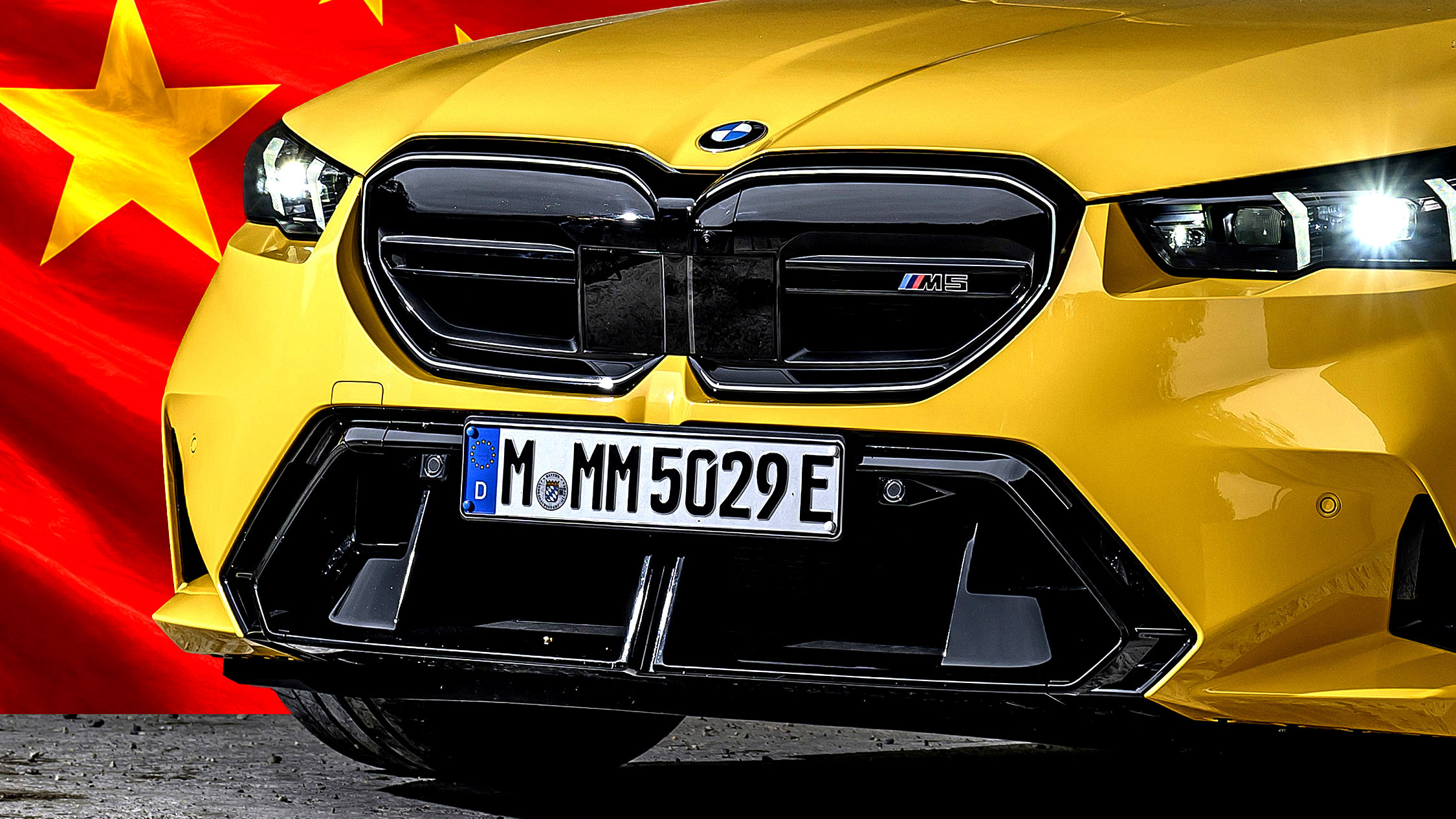
Stuttgart Engineered for One World. Beijing Just Built Another.
China's new PHEV tax rules didn't catch Western luxury brands off guard — they exposed how long those brands had been looking the wrong direction.
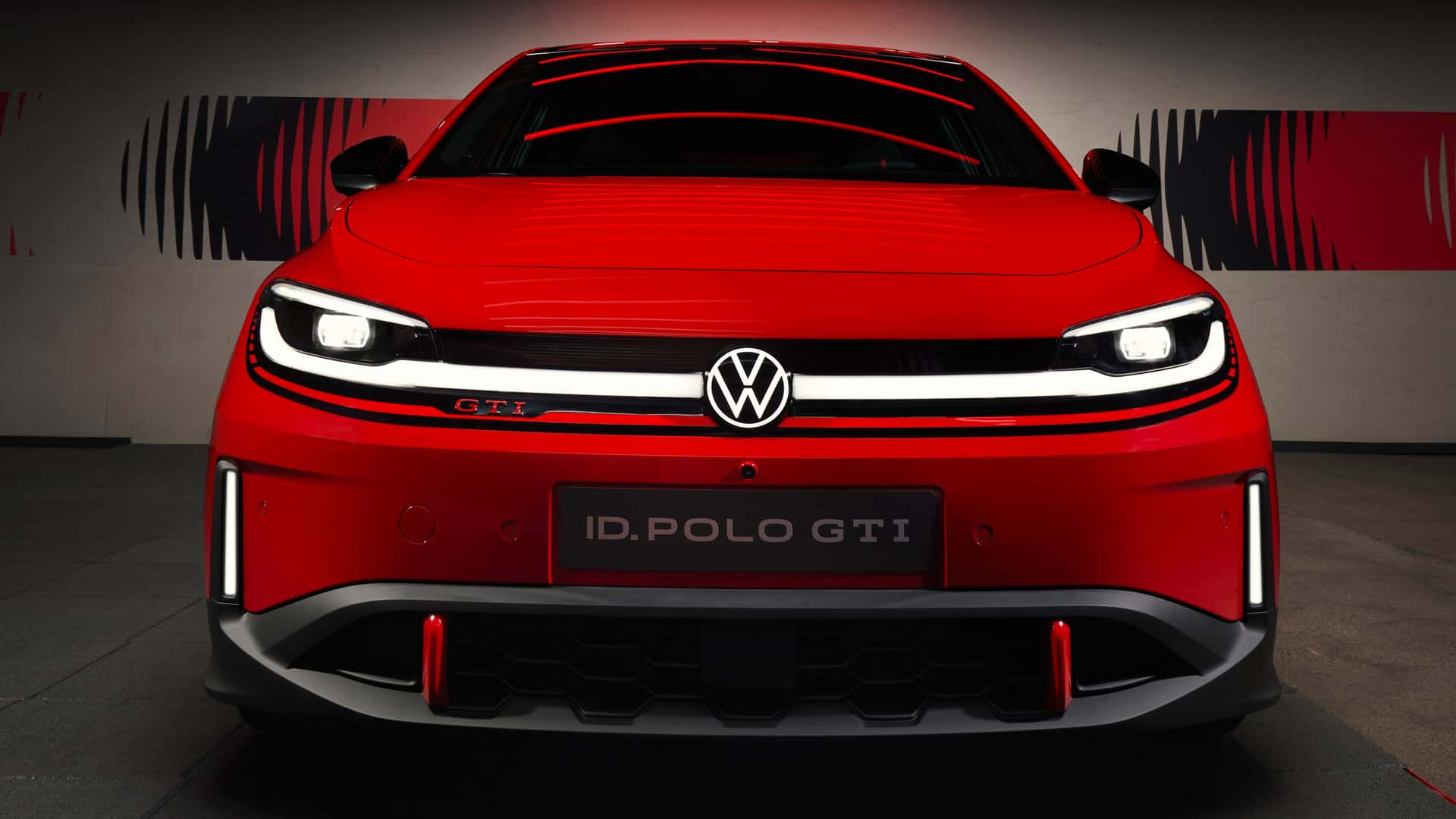
Volkswagen Stopped Selling You the Future. Now It's Selling You a Car.
Two affordable EVs rolling off a Spanish production line say more about where this transition actually stands than any concept ever could.
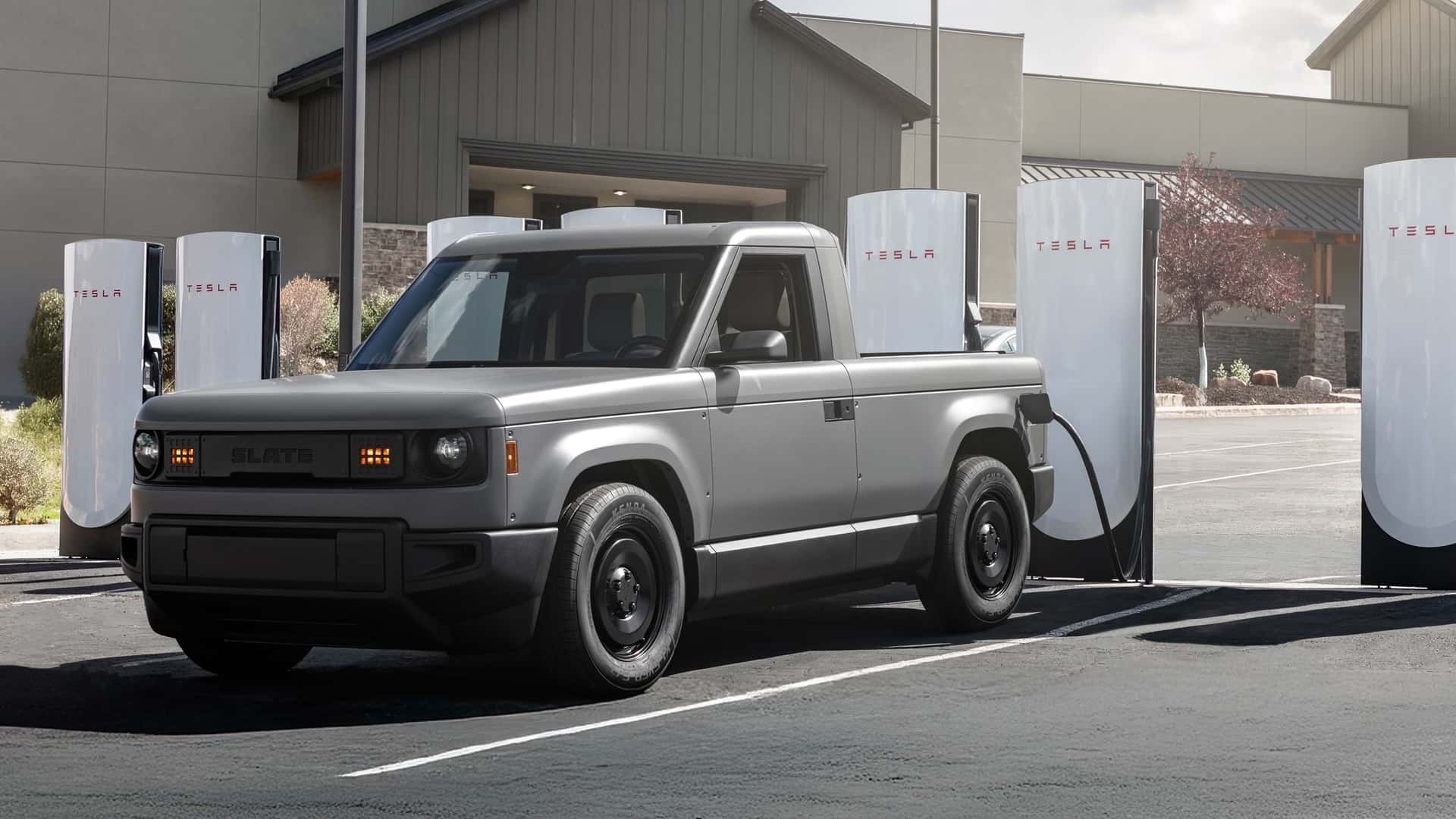
Carvana Didn't Buy Into Slate. It Bought Into the Vacancy.
When a used-car platform becomes the distribution spine for a new EV brand, the dealership isn't being disrupted — it's being replaced by something that was already there.
From the other desks.

Zegna Flew to Malibu to Tell You Vacation Has Standards
Alessandro Sartori staged a runway on the California coast. The real argument wasn't about clothes.

Al Leiter Has Been on Camera Since 2009. At Some Point, That Became a Classroom.
Three sports media careers, one uncomfortable truth about what broadcasting actually does now.

Synthetic Faces Just Got Good Enough to Stop Being a Joke
A writer at The Verge noticed AI influencers are harder to spot. The real story is what happens once nobody can tell.