Brady Tkachuk Didn't Just Change Teams. He Confirmed a Theory.
When a player's personality becomes the asset being traded, hockey has to decide if that's a feature or a confession.

Photo · Latest Headlines - The Athletic
There's a version of Brady Tkachuk that exists purely as a hockey player — 26 years old, physical, drives play, hard to like when he's facing you. That version got traded from Ottawa to Florida in exchange for two draft picks this weekend, a second-rounder next year, and a conditional first in 2029. Clean enough transaction. Evaluate the haul, move on.
But that's not the version anyone is actually talking about.
The Asset They Can't Put on a Spreadsheet
What's interesting — and what both The Athletic and Defector have circled in different ways — is that the coverage keeps gravitating toward something harder to quantify than shot attempts or cap hit. The Defector piece names it plainly: Florida just got scarier, and more irritating to play against. No soft spots in the top three lines. No shifts you get to breathe through. That's the transaction underneath the transaction.
This is a Panthers team that, according to Defector, appears to have fully committed to extending their contention window at the expense of future assets — the "fuck them picks" philosophy, as they put it. Two straight Cup appearances already behind them, a down season absorbed, and now they've added the kind of player whose presence in a lineup changes what the other team is thinking about before the puck drops. That's not nothing. That's actually the whole thing.
And the question underneath that is genuinely strange for a sport that has historically been uncomfortable admitting it: did Florida just pay for a personality?
Not entirely, obviously. Tkachuk is a real, consequential forward and the numbers exist to prove it. But the enthusiasm around this trade — from fans, from analysts, from the people mad about it online — is almost entirely about the texture of what he brings. He is difficult. He is the kind of player who makes the other team's fourth line angrier than it should be at 5-on-5. He podcasts with his brother Matthew, who already plays for Florida, which adds a layer of narrative that the league's marketing department couldn't have scripted better if they tried.
What Buffalo Does With the Silence
The Athletic's angle is more practical: what does this mean for the Sabres? Ottawa shopping Tkachuk reshapes the conference's competitive map, and Buffalo is sitting nearby watching a team just get meaningfully better in a division they're both trying to crack. That's real pressure on a franchise still assembling its case for relevance.
But even that framing can't fully escape the Tkachuk question. The Sabres' offseason calculus changes not just because Florida got a good player, but because Florida got that player — one whose reputation precedes him into every building, every series, every shift where someone needs to decide whether to retaliate or swallow it.
Hockey has always had these players. It has not always been comfortable making them the story. The villain has traditionally been a subplot, the necessary friction in the background of the hero's journey. What's shifting — slowly, then all at once — is that the irritant is now the headline. The Panthers didn't acquire a complementary piece. They acquired the thing that makes the other team make mistakes.
Whether that's a sign of the sport maturing or just a sign that a particular front office has very good instincts about psychological warfare is a fair debate. But the coverage doesn't lie: nobody is writing about this trade the way they write about a depth defenseman moving at the deadline. They're writing about it the way you write about a statement.
Ottawa gets nine and twenty-five in this draft, plus future picks. Florida gets a player whose value, at least partly, is that he makes people angry enough to write about him on a Tuesday.
In the economy of attention, that's not a bad return.
Keep reading sports.
Edmonton Knows Exactly What It's Hiring
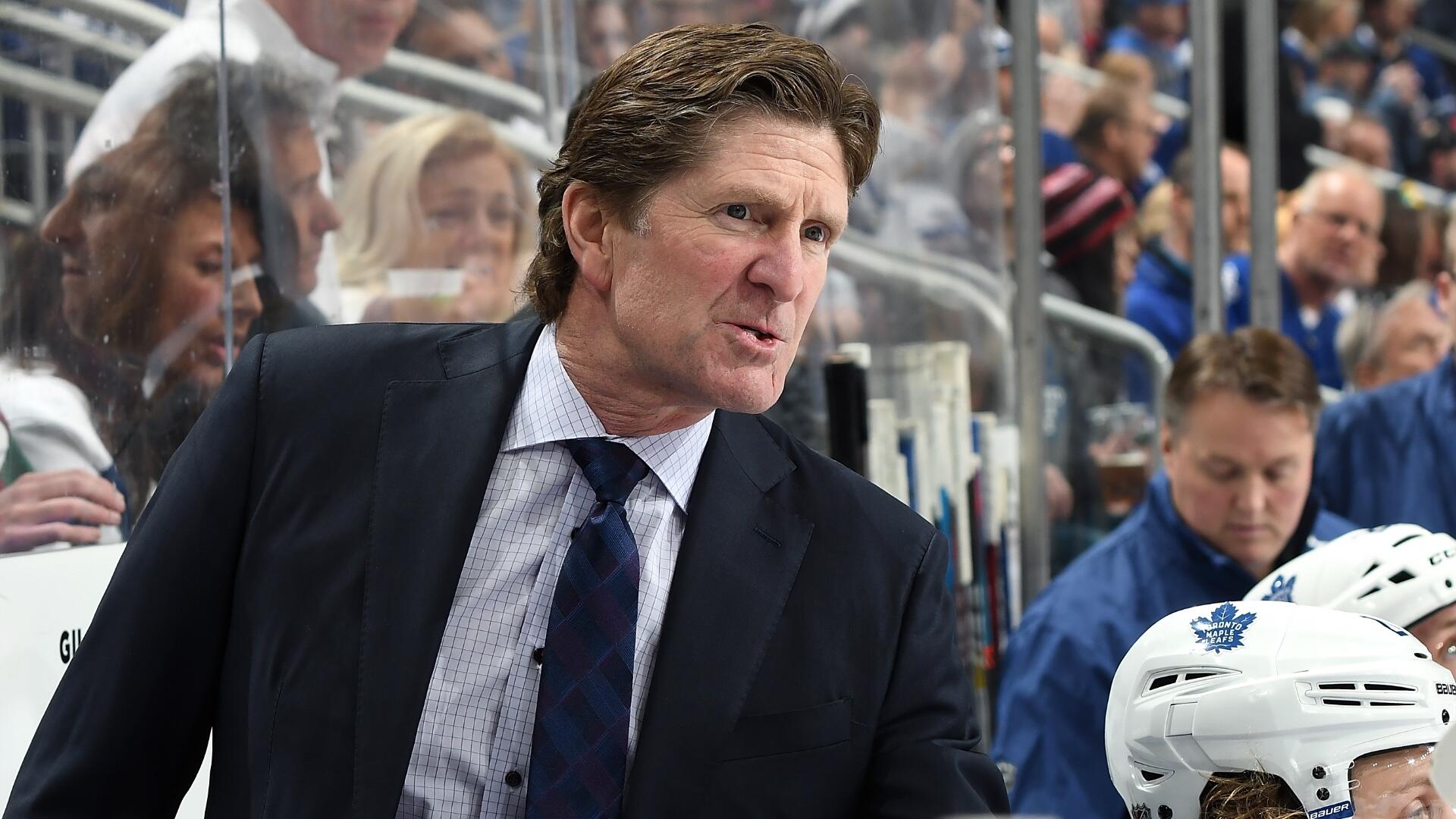
Mike Babcock is back in an NHL building, and the Oilers just told you everything about where they think they are.

Golf Borrowed Soccer's Rulebook and Called It a Revolution
When the PGA Tour adopts promotion and relegation, it's not just restructuring a schedule — it's admitting something about itself that American sports almost never do.

Pick No. 25 Is Already a Rumor
The Lakers may trade their draft pick before it's even announced — and that tells you everything about what win-now actually costs.
From the other desks.

Ian Callum Loved Jaguar Enough to Say It Out Loud
The man who shaped the brand for two decades looked at its future and found something missing.
Sapphire Hood, Jumping Hours, 150 Units — Amida Isn't Asking
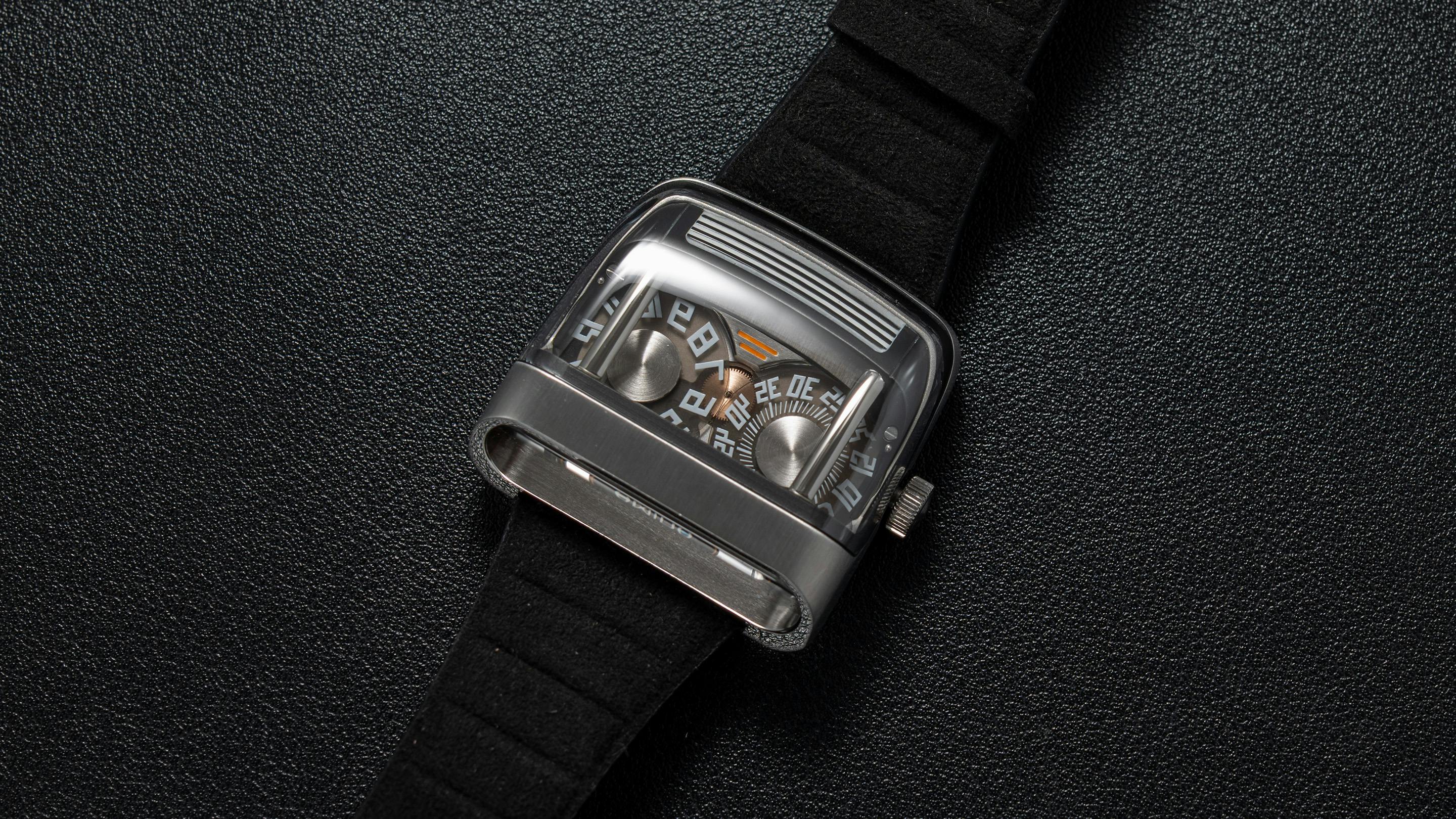
The Digitrend OSII Black didn't soften its edges to get worn. It just started glowing.

Anthropic Moved Into Your Office and Nobody Checked the Lease
Claude is now a Slack teammate — and the real question isn't whether it helps you work faster.