Every NBA Front Office Is Betting on Something. Most Won't Admit What.
From Riley's desperation swing to Washington's $212 million personality experiment, this offseason is a stress test for what rebuilding actually means.
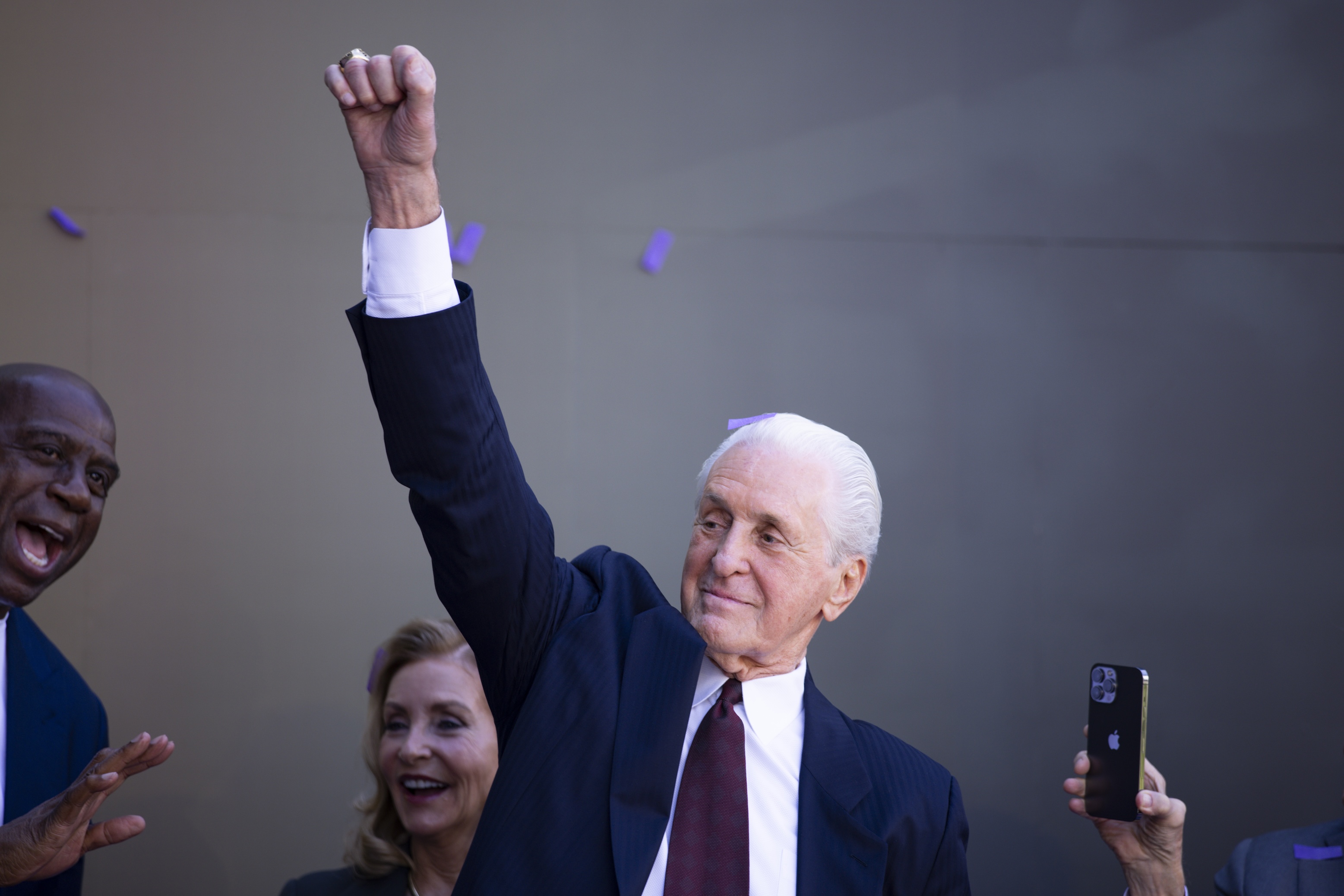
Photo · Defector
There's a version of NBA roster construction that looks like strategy. And then there's what's actually happening this summer.
Look across the league right now and you'll find a strange convergence: front offices that have quietly abandoned the pretense of a plan and replaced it with something rawer — a bet on a person, a vibe, a last-chance swing. The coverage has been treating each move as its own story. But read them together and you see the same confession written four different ways.
Pat Riley and the Permission to Gamble
Miami's version is the most dramatic. According to Defector, the Heat spent roughly a decade in an awkward in-between — never quite rebuilding, never quite contending, carrying the weight of the LeBron James era without the generational talent to match it. Two Finals appearances as low seeds with Jimmy Butler as the anchor. Genuinely impressive. Also genuinely unsustainable as a long-term identity. The criticism, per Defector, was that Riley seemed reluctant to swing big — a strange accusation for someone whose whole mythology is built on audacity, but there it was.
Now, apparently, he's swinging. Defector frames it as "going for it, for better or worse," which is the most honest description of a front office move you'll ever read. Not this is the plan. Not we've identified the missing piece. For better or worse. That phrasing matters. It's the language of someone who knows the odds and is doing it anyway.
That's not incompetence. That's a different kind of decision — one that trades certainty for aliveness.
Washington's $212 Million Personality Experiment
If Riley's move is a veteran betting on instinct, Washington's is something stranger. The Wizards, a franchise that Defector describes without particular affection, made noise at last year's deadline — picking up Trae Young from Atlanta for expiring contracts, surrendering no real assets, giving themselves a high-upside flier at essentially no cost. Smart, low-risk, fine.
Then they signed him to a four-year, $212 million extension.
Defector's read is that this transforms a fine flier into a potential disaster — that what looked like an opportunistic hedge has become a full franchise commitment to a player with, quote, "considerable flaws." The word hedge is doing a lot of work in their framing. A hedge is supposed to limit downside. You don't double a hedge into a $212 million cornerstone deal the day before you hold the first overall pick.
Unless what you're actually betting on isn't basketball efficiency. Unless you're betting on chaos being more interesting than mediocrity. Trae Young is a personality, a style, a kind of basketball that people watch. Washington is gambling that interesting is worth more to a franchise in their position than safe.
Maybe they're right. Maybe they're not. But they made the bet, and they made it loud.
The Journalist Who Walked Into the Building
Even the quieter stories carry the same undertone. Front Office Sports reports that ESPN's Tim Bontemps is in advanced talks to join the Atlanta Hawks' front office — a deal not yet finalized, but notable in what it signals. The Hawks, the same organization that just offloaded Trae Young and his considerable salary obligations, are apparently considering bringing in someone whose whole career has been covering the decisions rather than making them.
You can read that as innovative — proximity to media, fresh perspective, someone who understands the narrative layer of the league. Or you can read it as a franchise that isn't entirely sure what it needs next, reaching for something different because different feels like movement.
The Counterargument Sitting in Salt Lake City
And then there's Utah, which Boardroom argues deserves more attention than it's getting. A rising young core, another top prospect incoming — the Jazz appear to be doing the thing that everyone claims to want: building patiently, accumulating talent, not panicking. Boardroom's framing is almost contrarian in the current climate. They're closer than you think is a statement of quiet confidence in a league that's currently rewarding loud bets.
Maybe Utah is right. Maybe disciplined construction still wins. But notice how much less conversation it generates compared to a single Trae Young extension.
The NBA has always rewarded star power over systems. What's shifted is that front offices are now openly admitting it — betting on personality, on narrative, on the wrong kind of hedge — and calling it a strategy.
The teams that stay boring might win more games. The teams making noise right now have already decided that's not enough.
Keep reading sports.
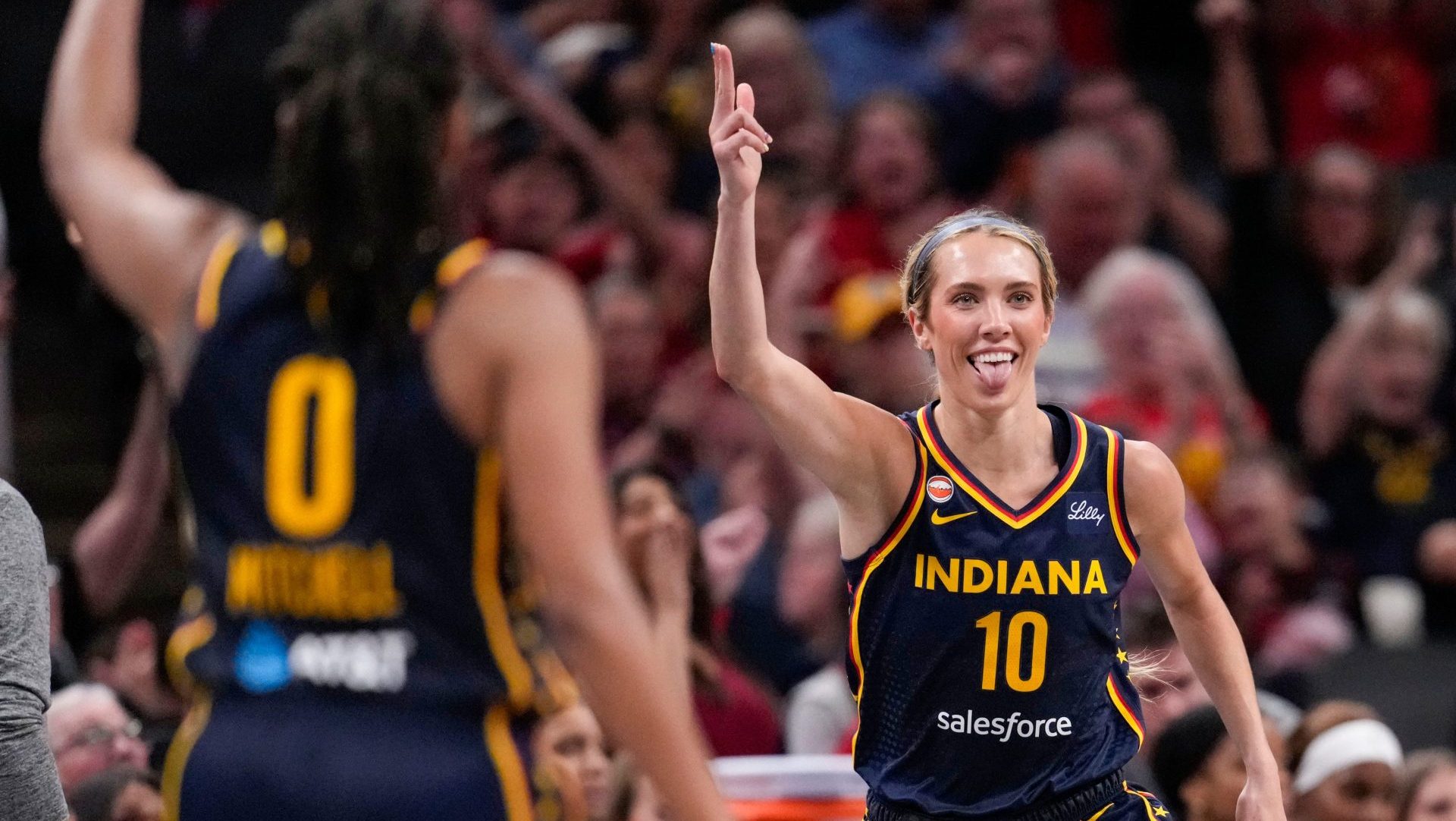
Beauty Went Functional. Women's Sports Made It Mean Something.
A new category is forming at the intersection of mascara and match day — and the question it raises is bigger than the products.
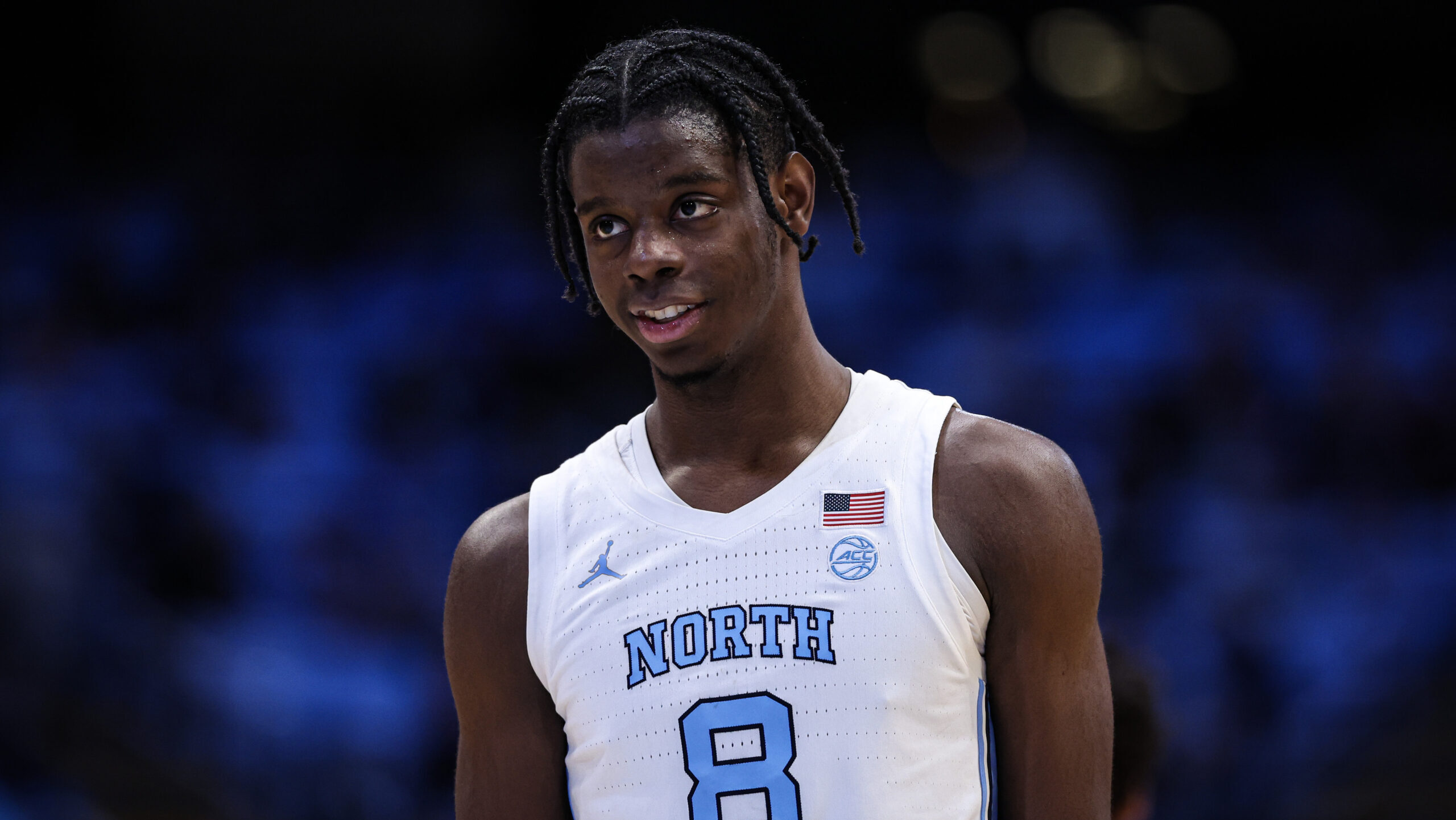
Draft Night Had a Trade. The Trade Had Giannis. Nobody Talked About the Fathers.
The 2026 NBA Draft opened with a blockbuster and closed with grades — but the real story was already being written one generation back.

Brendan Sorsby Won in Court and Still Lost Everything
He beat the NCAA at its own game. The NFL just declined to play.
From the other desks.

Slate Priced It at $24,950 and Dared America to Say It Wants More
Every other EV maker promised affordability. Slate shipped a number.
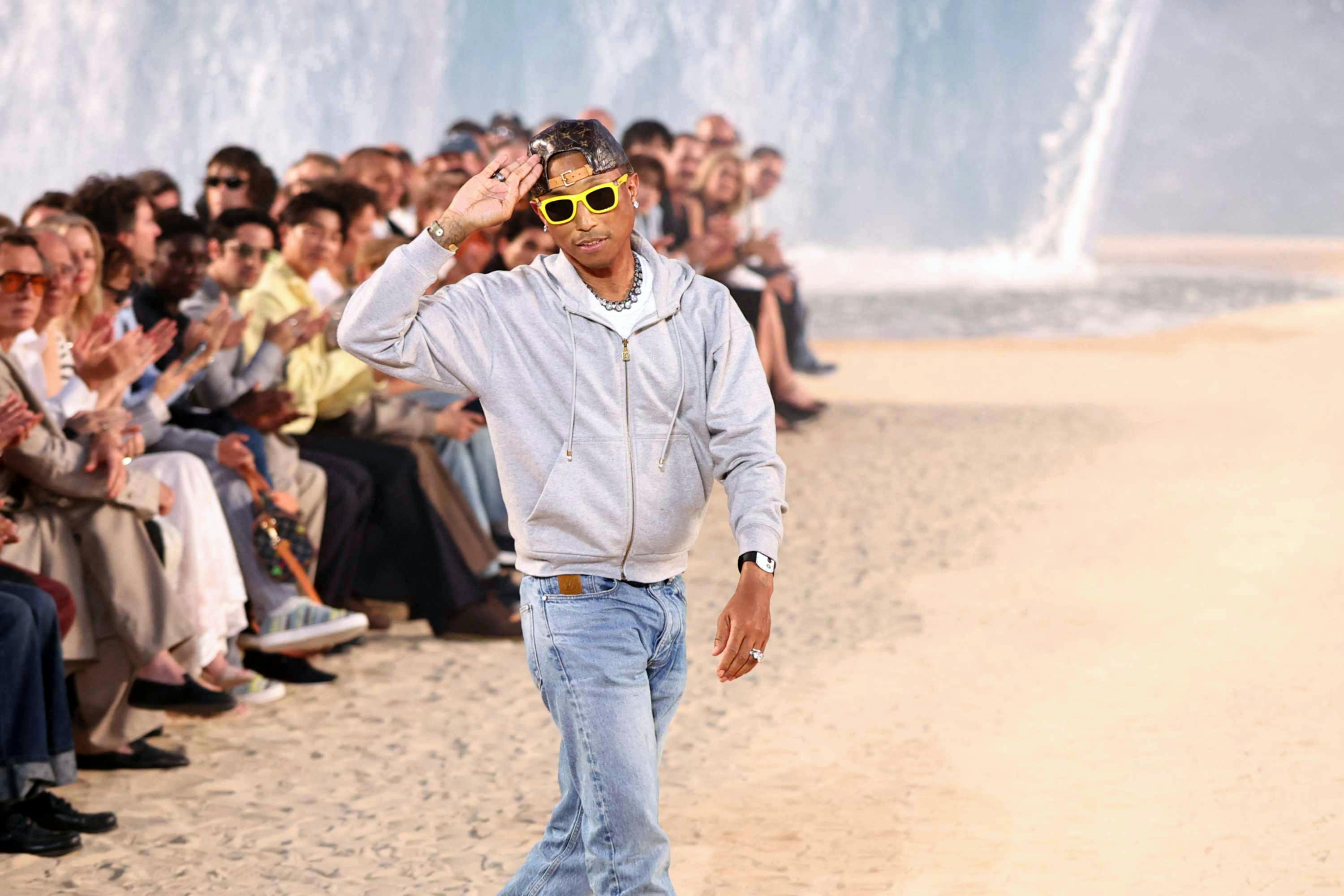
Pharrell Stopped Proving Himself and Made Something Worth Wearing
SS27 is the Louis Vuitton collection that finally feels like it belongs to no one but him.

Rockstar Just Wrote the New Floor
GTA VI costs $79.99, and that number will outlast the game itself.