Beauty Went Functional. Women's Sports Made It Mean Something.
A new category is forming at the intersection of mascara and match day — and the question it raises is bigger than the products.
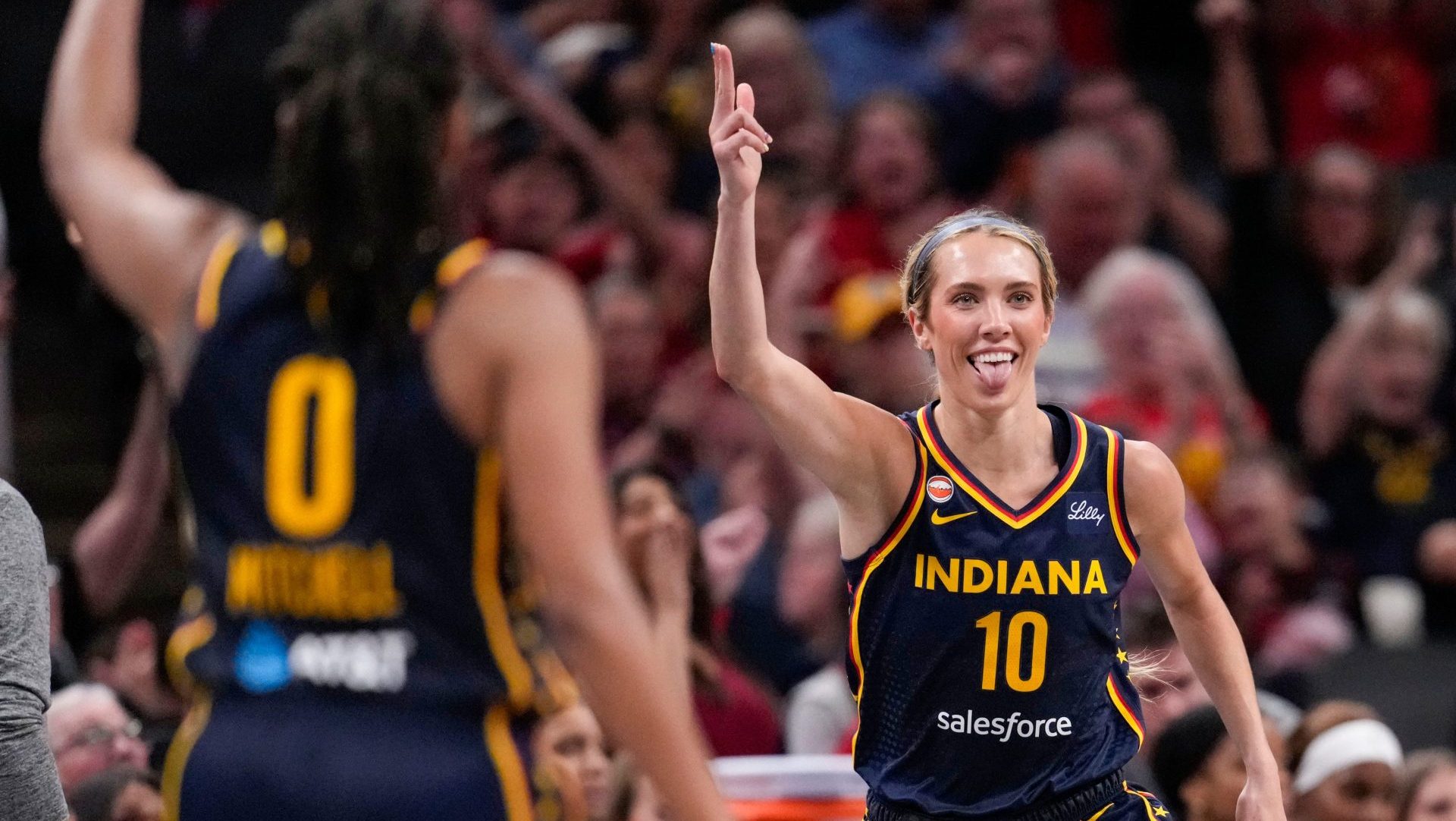
Photo · Front Office Sports
A writer at Front Office Sports has noticed something. Female athletes are trying to build what they're calling the "athleisure of beauty" — performance cosmetics, engineered to survive competition, designed specifically for women who play. The piece frames it as an emerging category riding the wave of the women's sports boom. That framing is correct. It's also the least interesting thing about it.
The more interesting thing is what had to happen before any of this was possible.
The Permission Slip Nobody Signed
For a long time, women's sports existed in a kind of double bind. Show up too polished and you weren't taken seriously as an athlete. Show up without it and face a different kind of scrutiny entirely. The performance cosmetics conversation — the fact that it's happening publicly, that brands are being built around it, that a legitimate sports business publication is covering it as a market story — signals that the bind has loosened. Not disappeared. Loosened.
That matters. Because the category only works if the athlete wearing it has enough cultural authority to define what the product means. Athleisure didn't become a billion-dollar segment because someone made comfortable pants. It became one because women claimed the right to wear workout clothes outside the gym without explanation. The clothes followed the permission. Performance cosmetics are following the same logic — the athlete's identity is doing the definitional work, not the SPF rating.
What the Front Office Sports piece is really tracking, underneath the product launches and brand partnerships, is a renegotiation of who gets to set the terms of showing up in sport. That's a character story. It's just dressed in foundation.
What the Merger Actually Costs
Here's where I want to push back — not on the coverage, but on the optimism it implies.
Athleisure, for all its cultural resonance, eventually became a category that sold back to women a version of their own liberation. The "functional beauty" framing carries the same risk. If the story of performance cosmetics becomes primarily a commerce story — which vertical integration, which brand wins, which athlete signs what deal — then something gets lost in translation. The original signal, which is we compete on our terms now, gets laundered into a product category and sold at Sephora.
That's not cynicism. That's just how markets work on interesting cultural moments. They find them, they name them, they monetize them, and in doing so they often flatten what made the moment worth noticing.
The women's sports boom is real. The growth numbers are real. The audiences showing up to NWSL games and women's basketball and track events are real. What's less certain is whether the infrastructure being built around that boom — the sponsorships, the media rights deals, the beauty brands — is being built for the athletes or simply around them. There's a difference, and it tends to show up about five years after everyone stops asking.
The writer at Front Office Sports is right to treat this as a market story. I just think it's also a trust story. Female athletes have earned enough cultural leverage to make a new product category viable. Whether that leverage compounds or gets quietly cashed out by the brands smart enough to get there first — that's the question worth watching.
Because the mascara that survives a fourth quarter is interesting. What happens to the athlete's authority after she endorses it is the story.
Keep reading sports.
Every NBA Front Office Is Betting on Something. Most Won't Admit What.
From Riley's desperation swing to Washington's $212 million personality experiment, this offseason is a stress test for what rebuilding actually means.
Draft Night Had a Trade. The Trade Had Giannis. Nobody Talked About the Fathers.
The 2026 NBA Draft opened with a blockbuster and closed with grades — but the real story was already being written one generation back.

Brendan Sorsby Won in Court and Still Lost Everything
He beat the NCAA at its own game. The NFL just declined to play.
From the other desks.

Slate Priced It at $24,950 and Dared America to Say It Wants More
Every other EV maker promised affordability. Slate shipped a number.
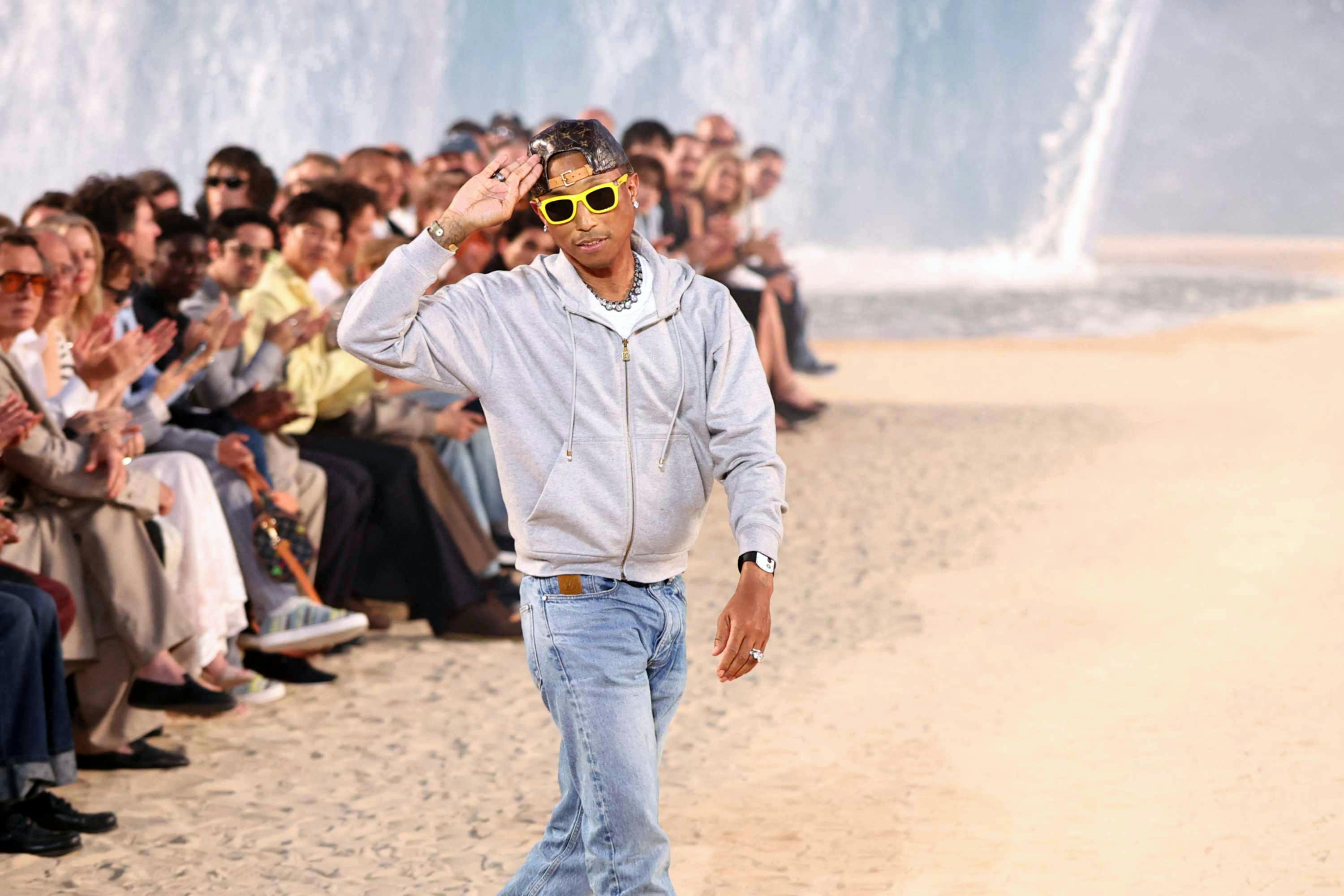
Pharrell Stopped Proving Himself and Made Something Worth Wearing
SS27 is the Louis Vuitton collection that finally feels like it belongs to no one but him.

Rockstar Just Wrote the New Floor
GTA VI costs $79.99, and that number will outlast the game itself.