Eric Schmidt Got Booed at Graduation and Nobody in the Room Was Wrong
When a former Google CEO can't sell AI to the people who'll live with it, that's not a PR problem — it's a signal.

Photo · The Verge
Here's the image: a commencement stage, a billionaire at the podium, and a graduating class drowning him out with boos every time he pivots to artificial intelligence. Not polite skepticism. Not slow applause. Boos.
That's what happened at the University of Arizona, according to The Verge, when Eric Schmidt delivered remarks that kept circling back to AI. And the thing is — both sides of that exchange were being completely honest.
The Speech Was the Symptom
Schmidt apparently acknowledged that the fears in that room were rational. That the jobs are evaporating. That the mess on the table wasn't made by the people being handed diplomas. According to The Verge, he said something close to that out loud. Which makes the boos even sharper, because the students weren't booing ignorance — they were booing the pivot that follows acknowledgment. The part where you validate the fear and then tell people to be optimistic about the exact thing causing it.
That pivot has a shape everyone recognizes now. Tech has been running it for years. Yes, this is disruptive. Yes, change is hard. But here's why it's actually exciting. The audience at Tucson just refused to accept the second half.
TechCrunch put it plainly in their coverage: if you're giving a commencement speech in 2026, maybe don't mention AI. Which reads like snark but is actually a real observation about audience calibration. The people in those caps and gowns are not abstract users in a product roadmap. They're the ones who spent four years training for careers that are being renegotiated in real time, often by people who already made their money before the renegotiation started.
When the Room Stops Buying It
What makes this more than a bad optics story is the messenger. Schmidt isn't a fringe booster or a startup founder running on hope. He's one of the most connected figures in tech and policy, someone whose relationship with AI development runs deep. If the room boos him, the room isn't just rejecting AI cheerleading — it's rejecting the authority of the people delivering it.
That's new. Or at least newly visible.
For a long time, the skeptics were easy to dismiss. Luddites. People who didn't understand the technology. People who feared change in the abstract. But a graduating class in 2026 understands the technology fine. They've used it. They've watched it get integrated into their fields. They know what it does and, more critically, they're starting to understand what it replaces. The boos weren't coming from confusion. They were coming from clarity.
There's something almost clarifying about a commencement setting for this. It's one of the few rooms where the power dynamic is briefly inverted — where the audience has nothing left to lose from the speaker and no professional reason to nod along. No one in that room was going to lose a client or a job offer by booing Eric Schmidt. So they booed Eric Schmidt.
The rest of us are still in rooms where the cost of saying this out loud is real. That's worth sitting with.
Optimism about technology isn't inherently dishonest. But optimism delivered by someone insulated from the consequences, to a room full of people who aren't, has a very specific sound. Turns out it sounds like boos.
Keep reading tech.

Hide My Email Has Been Showing Your Email
Apple's privacy flagship has a hole in it. They've known for over a year.

Sony Killed the Disc. Sony Is Also Killing the Store.
Two announcements, one company, and a quiet admission that "ownership" was always their word to define.
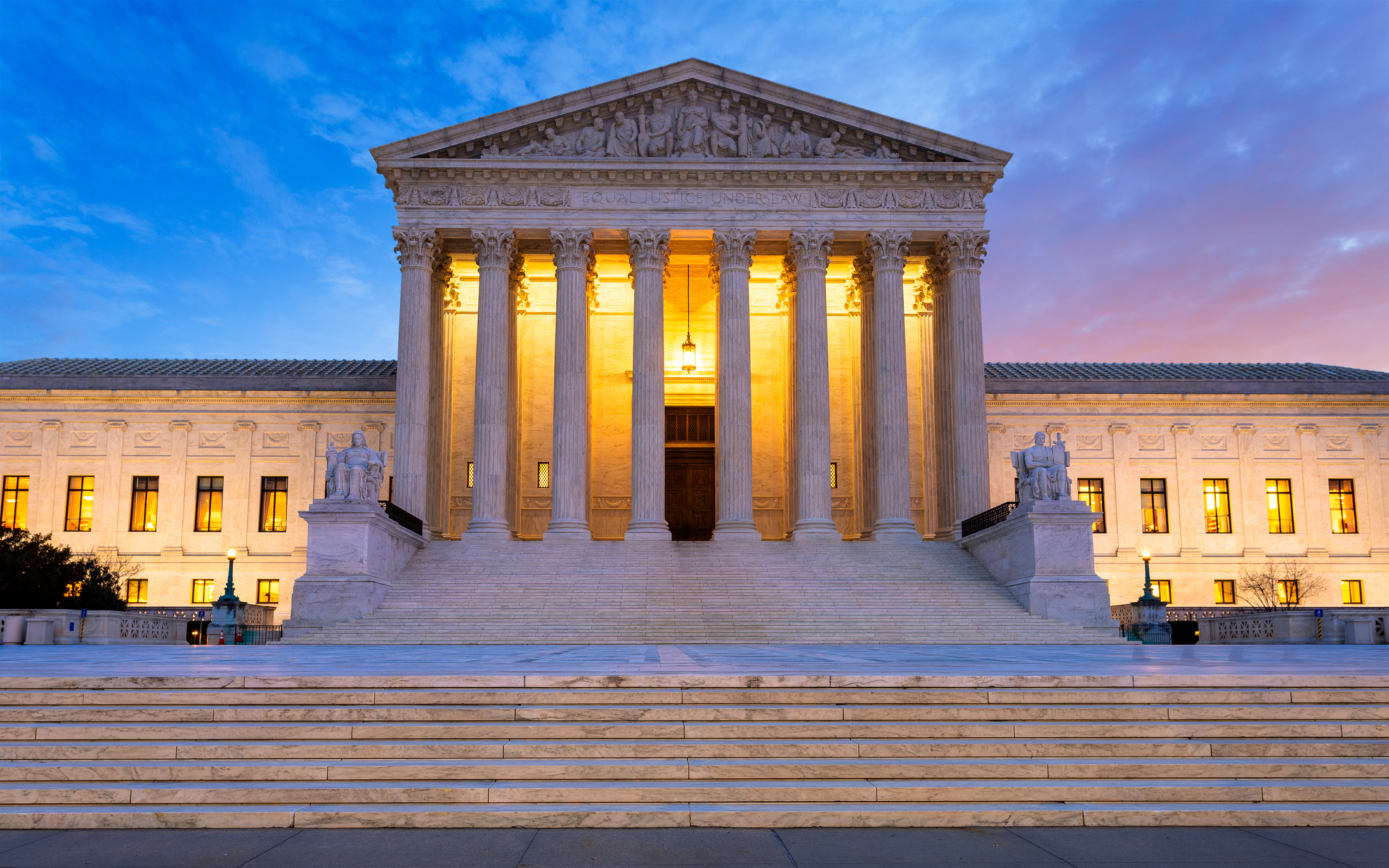
Apple Went to the Highest Court It Could Find. That Tells You Everything.
When a contempt ruling sends you to the Supreme Court, you're not defending a policy anymore — you're defending a worldview.
From the other desks.

800 Horsepower, One Ton of Doubt
Lamborghini built the most powerful SUV it's ever made. It's also slower than what it replaced.

Gold Leaf on a Lacquer Dial, and the Weight of What That Costs
Awake's Frosted Leaf Royal Blue asks a question Vietnamese craft has never quite had to answer at this price.

ESPN Named Him. Then Unnamed Him. Nobody's Explaining the Gap.
A retraction without a reckoning is just a deleted link.