Silicon Valley Noticed the Pitchforks
A TechCrunch piece about AI's uneven spoils isn't just a critique — it's a confession.

Photo · TechCrunch
There's a specific moment in any gold rush when the people holding the gold start writing essays about the people who aren't. We appear to have arrived at that moment.
A piece running at TechCrunch right now makes the observation plainly: the vibes around the current AI boom aren't great, even inside the tech industry. That last part — even inside — is doing the heaviest lifting in that sentence. This isn't a critic from the outside lobbing complaints over the wall. This is the wall noticing it exists.
What the Discomfort Actually Signals
When insiders start writing about wealth concentration, it usually means one of two things: either they've developed a conscience, or they've developed a sense of self-preservation. The two can look identical from a distance. What matters is that the language has shifted. The word being used is "haves and have-nots" — language borrowed from a different era, a different set of grievances, a different kind of reckoning entirely. Applying it to an industry that spent years presenting itself as a rising tide is not nothing.
The AI boom has produced real beneficiaries. It has also produced a much larger population of people watching that happen from somewhere outside the radius. And now, apparently, even people inside the radius are feeling weird about it. That's new. Or at least it's new that they're saying it out loud in a publication that the industry reads over breakfast.
The Confession Hidden in the Coverage
Here's what I keep thinking about: the very existence of this take is a data point. TechCrunch is not The Nation. When that outlet starts running pieces about the structural unfairness of a boom it has otherwise covered enthusiastically, something has shifted in the ambient temperature of the room.
The uncomfortable truth is that "bad vibes" is a polite way of saying something harder. Bad vibes are what you get when people can feel a gap widening but can't yet articulate — or aren't yet willing to articulate — what should be done about it. They're the early symptom, not the diagnosis. The diagnosis would require naming who benefits from the current arrangement and why they'd resist changing it. That piece hasn't been written yet, at least not in the same zip code.
What we have instead is the acknowledgment, and that's not nothing. Acknowledging that the spoils are unevenly distributed, that the people closest to the infrastructure are pulling away from everyone else, that the energy inside the industry has curdled a little — these are things that were being said loudly outside tech for a while now. The interesting development is that they've made it into the trade press without being framed as the complaints of people who simply don't understand how innovation works.
That framing — the "you just don't get it" defense — has been the industry's preferred response to skepticism for a long time. It's harder to deploy when the skeptics are your own people.
Bad vibes, historically, are just the opening argument.
Keep reading tech.

Hide My Email Has Been Showing Your Email
Apple's privacy flagship has a hole in it. They've known for over a year.

Sony Killed the Disc. Sony Is Also Killing the Store.
Two announcements, one company, and a quiet admission that "ownership" was always their word to define.

Apple Went to the Highest Court It Could Find. That Tells You Everything.
When a contempt ruling sends you to the Supreme Court, you're not defending a policy anymore — you're defending a worldview.
From the other desks.

800 Horsepower, One Ton of Doubt
Lamborghini built the most powerful SUV it's ever made. It's also slower than what it replaced.
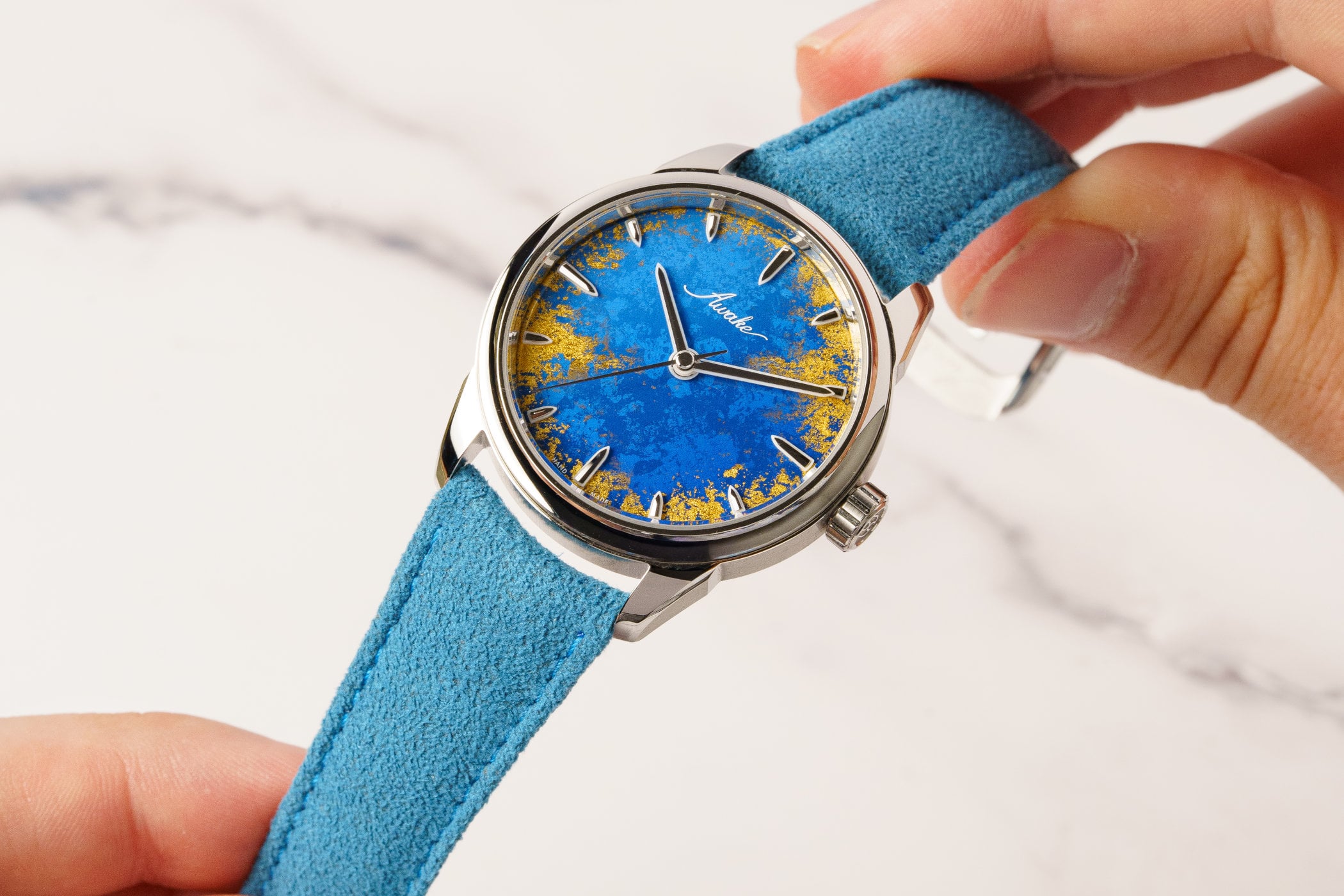
Gold Leaf on a Lacquer Dial, and the Weight of What That Costs
Awake's Frosted Leaf Royal Blue asks a question Vietnamese craft has never quite had to answer at this price.

ESPN Named Him. Then Unnamed Him. Nobody's Explaining the Gap.
A retraction without a reckoning is just a deleted link.