Nobody In The Store Believed In It Either
The Vision Pro didn't fail in the market — it failed in the room where it was supposed to be sold.

Photo · WIRED
The most expensive thing Apple has ever asked a retail employee to sell costs $3,500, weighs more than a hardcover book, and requires a 25-minute guided demo that most customers weren't asking for.
That's not a product launch. That's a faith-based initiative.
The Floor Problem
There's a version of this story that's about technology — about spatial computing being too early, about the use case gap, about a device looking for a problem to solve. That story is true, but it's not the whole story.
The whole story starts on the floor of an Apple Store, with someone who was hired to help you pick a phone case now being asked to strap a $3,500 headset onto your face and explain why your life is about to change.
Sell something you believe in and the words come easy. Sell something you're not sure about and every sentence feels like a guess.
The people on that floor knew. They knew before the customers knew. And customers, even the ones who can't articulate it, feel the difference between a pitch and a conviction.
What Patek Philippe Understands
When you walk into an authorized dealer for something that costs real money — a watch, a car, a piece of furniture built to last — the best salespeople aren't reading from a script. They're telling you about the thing they'd buy if they could. They're pointing out the detail you almost missed. They've held it. They've thought about it. The enthusiasm is load-bearing.
Apple built an entire retail philosophy around this. The Genius Bar. The hands-on tables. The idea that the product would sell itself if you could just get someone to touch it. For the iPhone, for the MacBook, for AirPods, that was true. The product did the work.
The Vision Pro needed more than that. It needed a true believer standing next to you, and it's hard to be a true believer in something you go home and leave at work.
The Gap Between the Keynote and the Counter
Every Apple product launch begins in a theater, in the dark, with music and light and a man in a black shirt telling you that everything is about to be different. The Vision Pro keynote was one of the best they've ever done. Cinematic. Convincing. The demo footage looked like the future.
Then it landed in stores. And the future was a demo appointment. And the demo appointment was a script. And the script was being delivered by someone whose job, three months earlier, had been to ask if you wanted AppleCare.
That gap — between the keynote and the counter — is where the Vision Pro got lost.
It's not that the product is bad. It's technically extraordinary in ways that most people who've never worn one don't appreciate. The display resolution alone is a genuine achievement. But extraordinary technology without a human bridge between it and the person considering it is just an expensive object in a case.
What Comes Next
Apple will iterate. They always do. The second version will be lighter, cheaper, more capable. Someone will figure out the use case that makes it obvious. The keynote will be even better.
But the lesson here isn't about the hardware. It's about what happens when a company that built its retail identity on simplicity and approachability tries to sell something that is neither simple nor immediately approachable — and asks its frontline people to close that gap with enthusiasm they don't have.
The Vision Pro needed a different kind of store. Or a different kind of launch. Or, at minimum, the time to let the people selling it actually fall in love with it first.
You can't fake that. The floor always knows.
Keep reading tech.

Hide My Email Has Been Showing Your Email
Apple's privacy flagship has a hole in it. They've known for over a year.

Sony Killed the Disc. Sony Is Also Killing the Store.
Two announcements, one company, and a quiet admission that "ownership" was always their word to define.
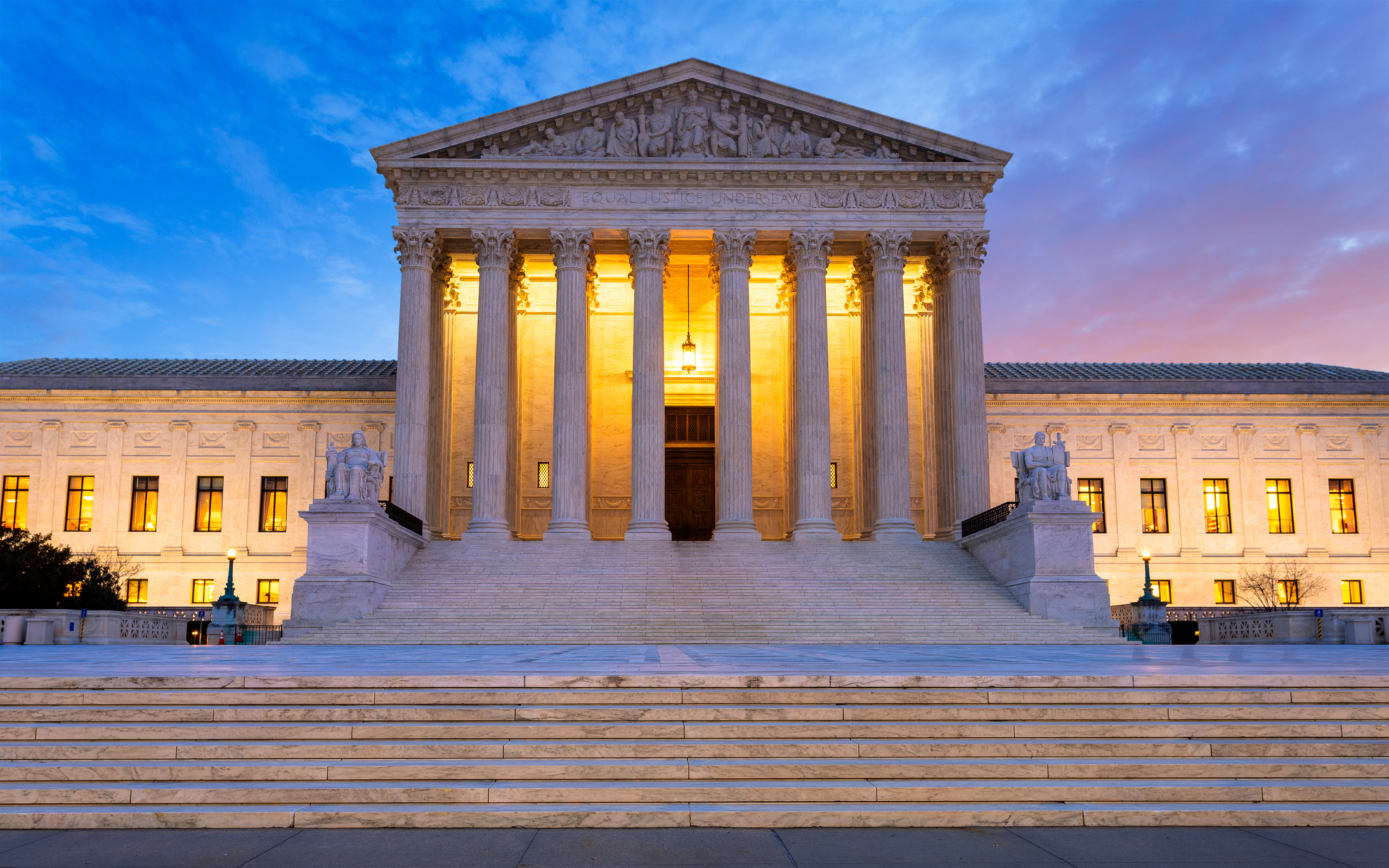
Apple Went to the Highest Court It Could Find. That Tells You Everything.
When a contempt ruling sends you to the Supreme Court, you're not defending a policy anymore — you're defending a worldview.
From the other desks.

800 Horsepower, One Ton of Doubt
Lamborghini built the most powerful SUV it's ever made. It's also slower than what it replaced.

Gold Leaf on a Lacquer Dial, and the Weight of What That Costs
Awake's Frosted Leaf Royal Blue asks a question Vietnamese craft has never quite had to answer at this price.

ESPN Named Him. Then Unnamed Him. Nobody's Explaining the Gap.
A retraction without a reckoning is just a deleted link.