The Arsonist Wants Everyone to Stay Calm
Sam Altman is asking the public to cool down on AI. The public didn't start the fire.
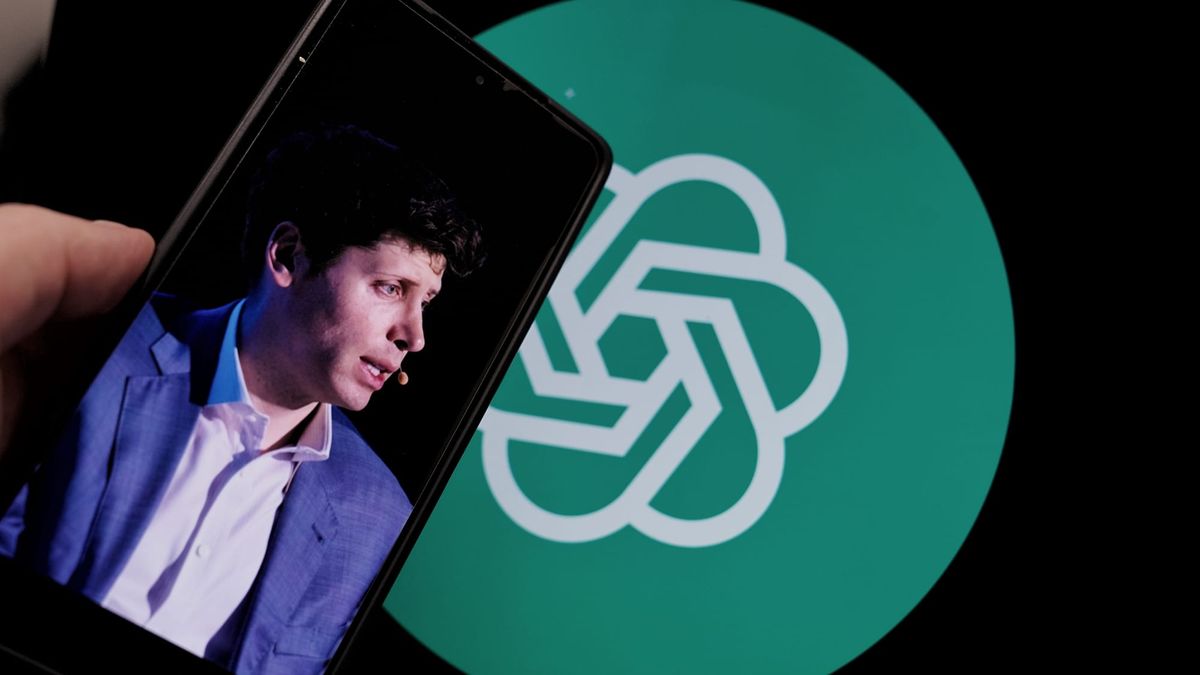
Photo · Platformer
There's a specific kind of audacity in asking people to stop panicking about something you spent years telling them was world-historical.
A writer at Platformer has published a piece parsing Sam Altman's apparent change of register — the OpenAI CEO, per the coverage, is now urging the public to lower the temperature on artificial intelligence. To take a breath. To maybe relax a little.
I keep turning this over. Not because it's wrong, exactly. But because of who's saying it.
The Temperature Was Never Ambient
The AI discourse didn't heat up on its own. It was stoked, deliberately and repeatedly, by the people who stood to gain the most from it. The existential stakes, the civilizational pivot points, the sense that something irreversible was happening right now and you needed to pay attention — that wasn't ambient cultural anxiety finding a new object. It was a narrative, and it was useful.
When you tell the world that your product might be the most transformative technology in human history, you don't get to be surprised when the world gets loud about it. You don't get to be surprised when regulators show up, when critics sharpen their knives, when the discourse metastasizes into something you can no longer manage. You built the rocket. The trajectory is on you.
What Platformer is documenting, whether it means to or not, is a CEO recognizing that the narrative got away from him. The hype worked — it worked extraordinarily well — and now the blowback is working just as hard in the other direction, and the person who lit the fuse is asking everyone to please stop running.
What a "Lower the Temperature" Moment Actually Means
When a tech CEO starts talking about lowering temperatures, it usually signals one of two things: either the criticism has gotten specific enough to be dangerous, or the regulatory environment has gotten serious enough to require a different posture. Sometimes both.
This doesn't mean Altman is being cynical. People do develop second thoughts. Companies do recalibrate. The piece at Platformer takes the position seriously enough to write about it, which is worth something.
But sincerity and strategy aren't mutually exclusive, and in this industry they're frequently the same sentence. The most effective tech PR has always been the kind that doesn't look like PR — the thoughtful founder, the measured concern, the willingness to acknowledge complexity. It's a register, and it gets deployed when the previous register stops serving.
The previous register was: this changes everything, we're moving fast, history is being made. That register built OpenAI into what it is. It also built a level of scrutiny that the company now has to live inside.
So now we get the new register. Calm. Considered. Maybe we should all just think about this together.
Maybe. But the person asking you to think carefully about fire is more credible when they weren't the one handing out matches.
The most telling thing about this moment isn't what Altman is saying. It's that saying it is now the move.
Keep reading tech.

Hide My Email Has Been Showing Your Email
Apple's privacy flagship has a hole in it. They've known for over a year.

Sony Killed the Disc. Sony Is Also Killing the Store.
Two announcements, one company, and a quiet admission that "ownership" was always their word to define.

Apple Went to the Highest Court It Could Find. That Tells You Everything.
When a contempt ruling sends you to the Supreme Court, you're not defending a policy anymore — you're defending a worldview.
From the other desks.

800 Horsepower, One Ton of Doubt
Lamborghini built the most powerful SUV it's ever made. It's also slower than what it replaced.

Gold Leaf on a Lacquer Dial, and the Weight of What That Costs
Awake's Frosted Leaf Royal Blue asks a question Vietnamese craft has never quite had to answer at this price.

ESPN Named Him. Then Unnamed Him. Nobody's Explaining the Gap.
A retraction without a reckoning is just a deleted link.