Porsche Design Finally Has Skin in the Game
A new manufacture in Grenchen and an all-titanium Chronograph 1 aren't separate announcements — they're the same argument.
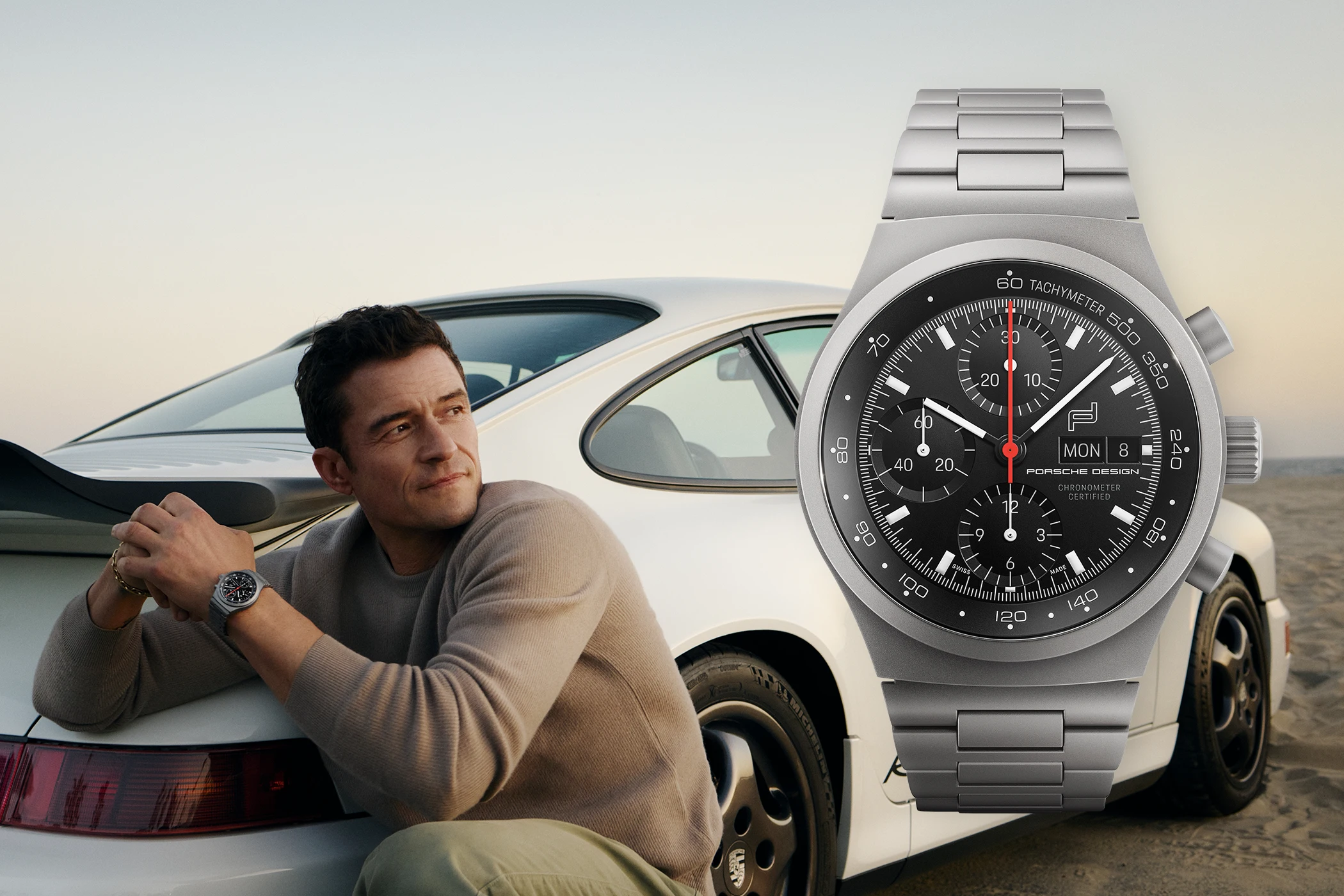
Photo · Swisswatches Magazine
The watch press has always treated Porsche Design as a licensing operation with good taste in fonts. That read wasn't wrong. But it's getting harder to hold.
Two things happened recently that deserve to be understood as one move. Porsche Design opened a manufacture in Grenchen. And they released the Chronograph 1 All Titanium — a numbered edition that traces its lineage directly to Ferdinand Alexander Porsche's 1972 original. Cover either story alone and you miss what's actually being said.
What Grenchen Changes
Most fashion-adjacent watch brands never build their own infrastructure. They don't need to. You source a movement, you put your name on a case, you sell the story. It works. It's not dishonest, exactly — it's just the business.
Opening a manufacture is a different kind of commitment. It's capital-intensive, slow to pay off, and impossible to walk back without embarrassment. Grenchen is where serious Swiss watchmaking happens — it's not a flag-planting exercise, it's a declaration of intent backed by concrete and machinery.
What that facility signals isn't just vertical integration. It's that Porsche Design is positioning itself to control its own movement development, its own tolerances, its own story from dial to escapement. That's the infrastructure of a brand that expects to be here in thirty years and wants the work to reflect that.
The Watch That Has to Carry It
The Chronograph 1 All Titanium is the first piece that has to make good on that promise.
The original 1972 watch was legitimately important — one of the first black-dialed chronographs, designed by the same man who drew the 911. That's not mythology, that's record. The design language has survived fifty years of iterations, which is either a testament to the original's strength or evidence of a brand too cautious to evolve. Probably both.
What the All Titanium version does is commit fully to the material that always made the most sense for this watch. Titanium is lighter than steel, harder to machine, and carries a kind of purposeful austerity that fits the Chronograph 1's character better than any precious metal ever could. The numbered edition framing matters too — it's not a limited run for scarcity's sake, it's a stake in the ground. This is the version they want remembered.
The movement inside comes from their own stable now. That's the detail that changes the conversation. When a brand with outside-sourced calibers makes a bold design claim, there's always a ceiling. When the movement is yours, the ceiling lifts.
The Pattern Both Sources Miss
Coverage of the All Titanium focused on the design heritage. Coverage of the Grenchen manufacture focused on the facility itself — the space, the capability, the ambition. Neither piece fully connected the two.
But that connection is the whole story. Porsche Design isn't making a nostalgia play. They're not cashing in on the 911 association for a collector's piece. They're building — literally building — the foundation to be taken seriously as a watchmaker rather than a watch brand. Those are different things, and the gap between them is usually where the interesting work happens.
F.A. Porsche didn't just design a watch in 1972. He designed a philosophy — function made visible, nothing decorative, nothing apologetic. For decades, the brand carried that philosophy in its aesthetic while outsourcing the actual craft. Grenchen is the moment they decided the philosophy has to go all the way down.
The watch press will catch up eventually. They always do, usually about five years late.
The All Titanium Chronograph 1 isn't the culmination of anything. It's the opening argument.
Keep reading watches.

Universal Genève Came Back With Everything. That's the Problem.
A relaunch this big isn't a statement of identity — it's a question about it.
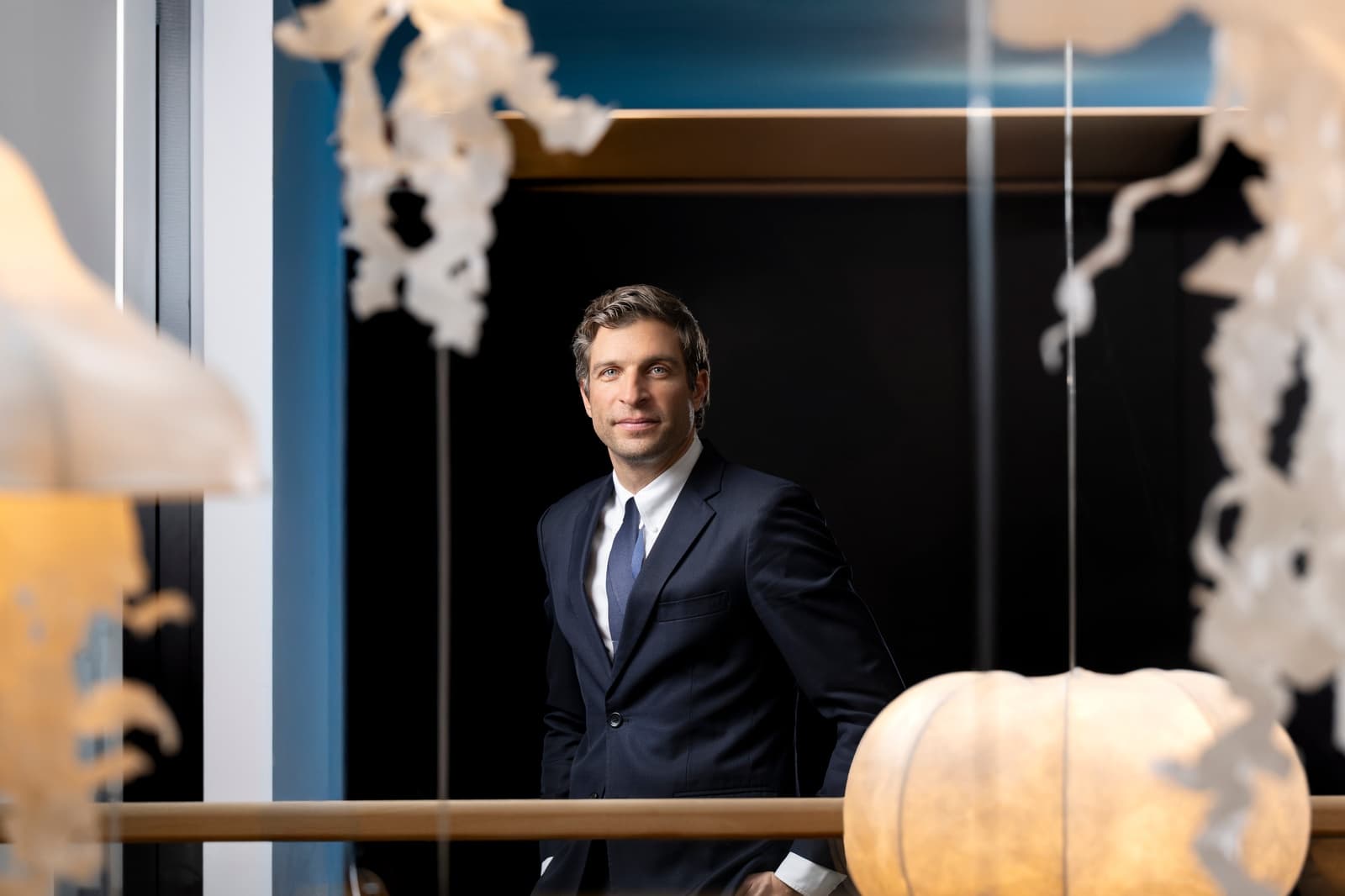
When a Watch Show Needs a Map, It's Become Something Else
Watches & Wonders 2026 is 66 brands and a survival guide — and that tension tells you everything.
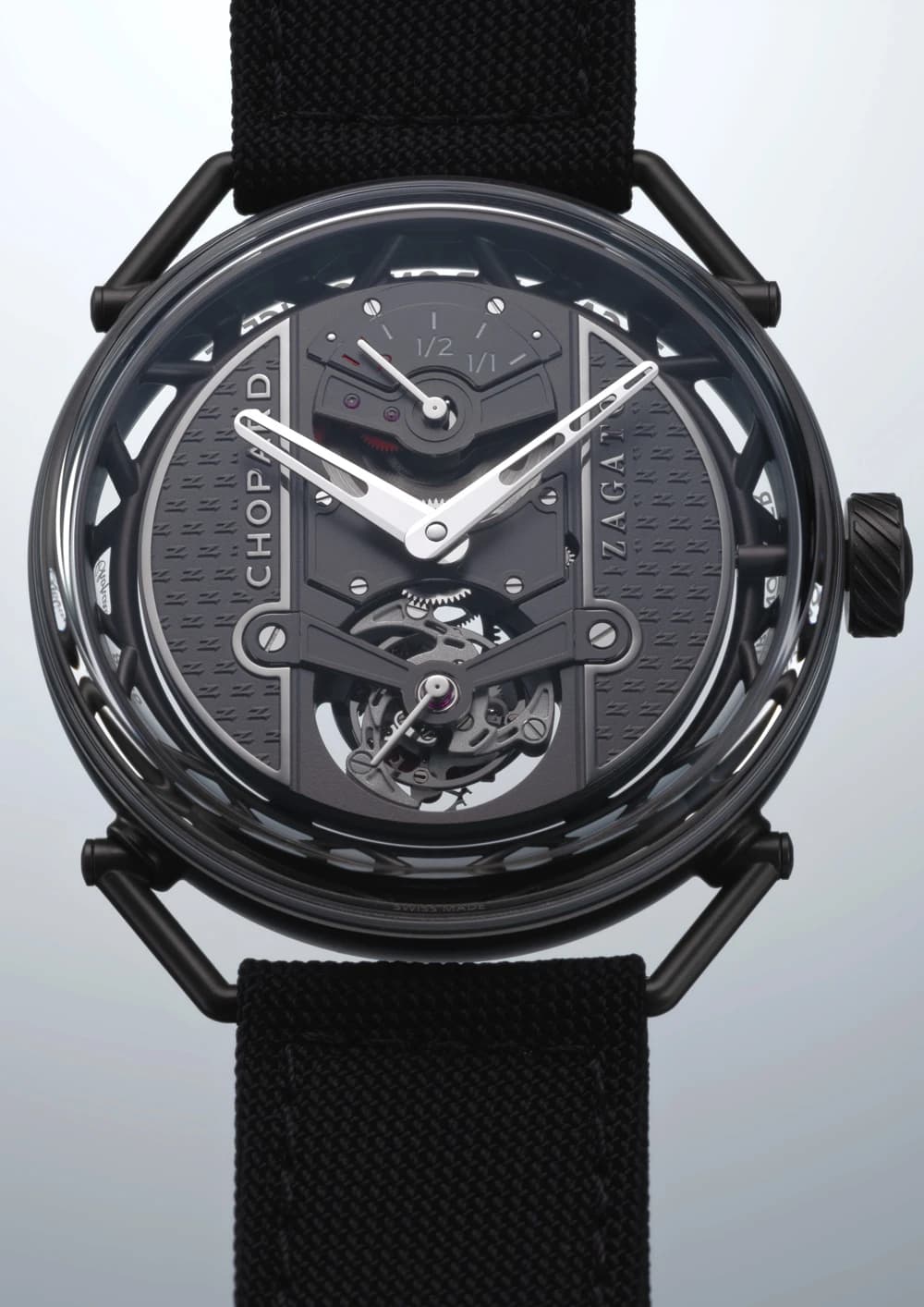
When Two Obsessions Collide, Someone Has to Arbitrate
Chopard and Zagato built something for people who live in two worlds at once — and Escapement found exactly the right person to judge it.
From the other desks.

The F40 Doesn't Care Who's Watching. That's the Problem.
Lewis Hamilton doing donuts in a Ferrari F40 through Tokyo is either the most authentic thing he's done in years, or proof that nothing is sacred anymore. The ambiguity is the whole story.
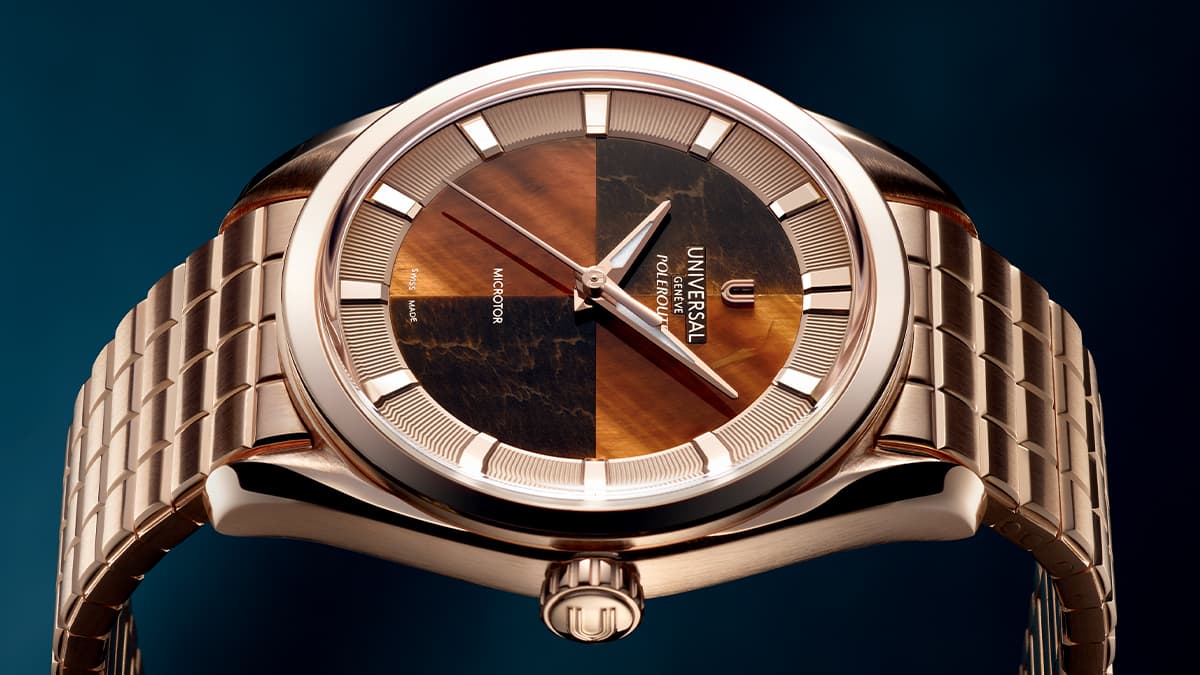
The Name Came Back. The Question Is Whether the Watch Did.
Universal Genève is alive again. Breitling made sure of it. But resurrection and relevance aren't the same thing.

The Smartwatch Won. That's Why Nobody Wants One.
A TechRadar writer just said what the watch world has been quietly thinking for two years.