The F40 Doesn't Care Who's Watching. That's the Problem.
Lewis Hamilton doing donuts in a Ferrari F40 through Tokyo is either the most authentic thing he's done in years, or proof that nothing is sacred anymore. The ambiguity is the whole story.
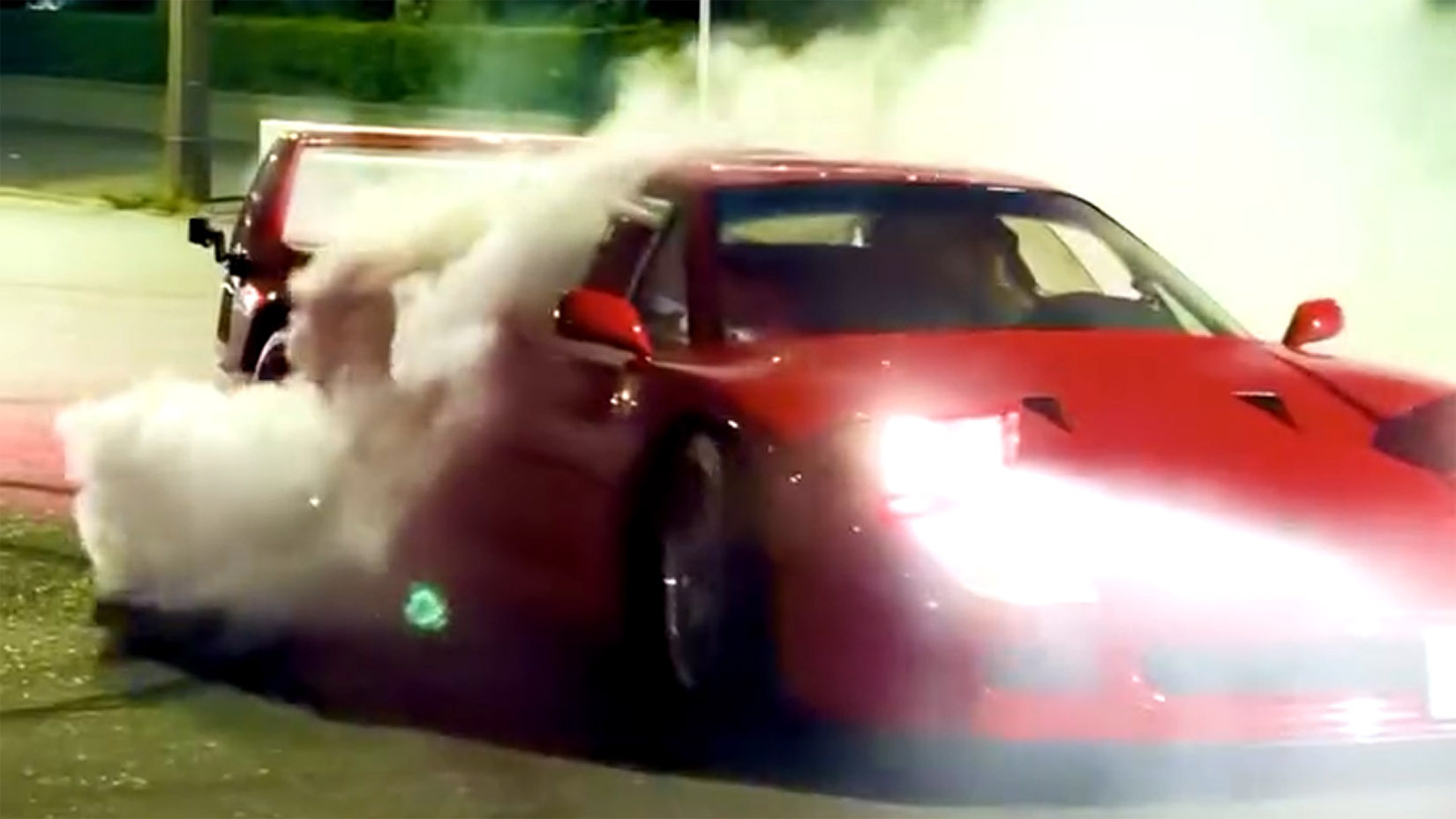
Photo · Carscoops
There's a version of this where it's perfect.
Lewis Hamilton — one of the few people alive who can credibly claim a relationship with a car at this level — sliding an F40 through Tokyo streets with someone famous in the passenger seat. Raw. Loud. Completely unnecessary. The F40 was built to be exactly this: a middle finger to comfort, to sense, to the idea that a car should be easy. If anyone gets to do donuts in one, it's probably him.
Carscoops covered it. The clip exists. The internet reacted.
And I can't stop thinking about why it feels complicated.
The Car That Earned Its Mythology
The F40 is not a car that needs an introduction, which is exactly why using it as content is such a strange move. It was Enzo Ferrari's last car. No driver aids. No carpet. A twin-turbo V8 that punished inattention. It wasn't built to be aspirational — it was built to be terrifying, and it succeeded. The mythology around it is earned, not marketed.
That mythology is also, at this point, almost entirely disconnected from the object itself. The F40 has been valuable so long, and famous so long, that most people who encounter it do so through screens. A photo. A YouTube walk-around. A celebrity clip. The car exists in the physical world, but its meaning lives online — and that's a weird place for something that was designed to be felt through your spine at 200 kilometers per hour.
When a car becomes an icon, it also becomes a symbol. And symbols are available to anyone with access.
What the Passenger Seat Means
The Carscoops piece notes a callback — apparently Hamilton filmed something similar in Tokyo four years ago, a Nissan Skyline clip that had its own cultural moment. The F40 reel, then, isn't accidental. It's a sequel. There's authorship here, a deliberate construction of a persona around cars and cities and speed.
That's worth something. Hamilton has spent decades inside the most clinical, controlled racing environment on earth. Formula 1 doesn't let you feel much. The cars are extraordinary and completely alienating — designed for data, not sensation. The idea that he chases analog experiences in his own time is entirely believable, maybe even necessary.
But the passenger seat is where the read gets complicated.
Bringing someone famous along doesn't invalidate the experience. It does, however, change the frame. The clip stops being about the car and starts being about the moment — who's there, what they're wearing, how they react. The F40 becomes backdrop. And the F40 as backdrop is a strange thing to witness, because the F40 was built specifically to refuse that role.
It demands to be the subject. Always.
The Content Economy Has No Reverence
The harder truth is that this isn't really about Hamilton, or the Kardashians, or even the F40. It's about what happens when the content economy and car culture fully overlap — which they have, completely, and there's no going back.
Celebrity car content has existed forever. Steve McQueen. James Dean. The mythology of famous people and fast machines is as old as fast machines. What's different now is the delivery system. The clip isn't a film still or a magazine spread — it's a reel, optimized for thirty seconds of attention, designed to travel. The F40 gets thirty seconds. The reaction gets thirty seconds. Then something else gets thirty seconds.
Nothing survives that format with its weight intact.
So yes — Lewis Hamilton doing donuts in an F40 through Tokyo is probably the most on-brand thing he's done in years. He loves cars, he loves Japan, he has access that almost no one else has, and he uses it.
The uncomfortable part isn't that he did it. It's that watching it feels like exactly the same as watching anything else.
Keep reading cars.

800 Horsepower, One Ton of Doubt
Lamborghini built the most powerful SUV it's ever made. It's also slower than what it replaced.

£11,990 Draws a Line Under Every Excuse You Had Left
Dacia just made the cheapest new car in Britain electric — and that's not a footnote, it's a verdict.
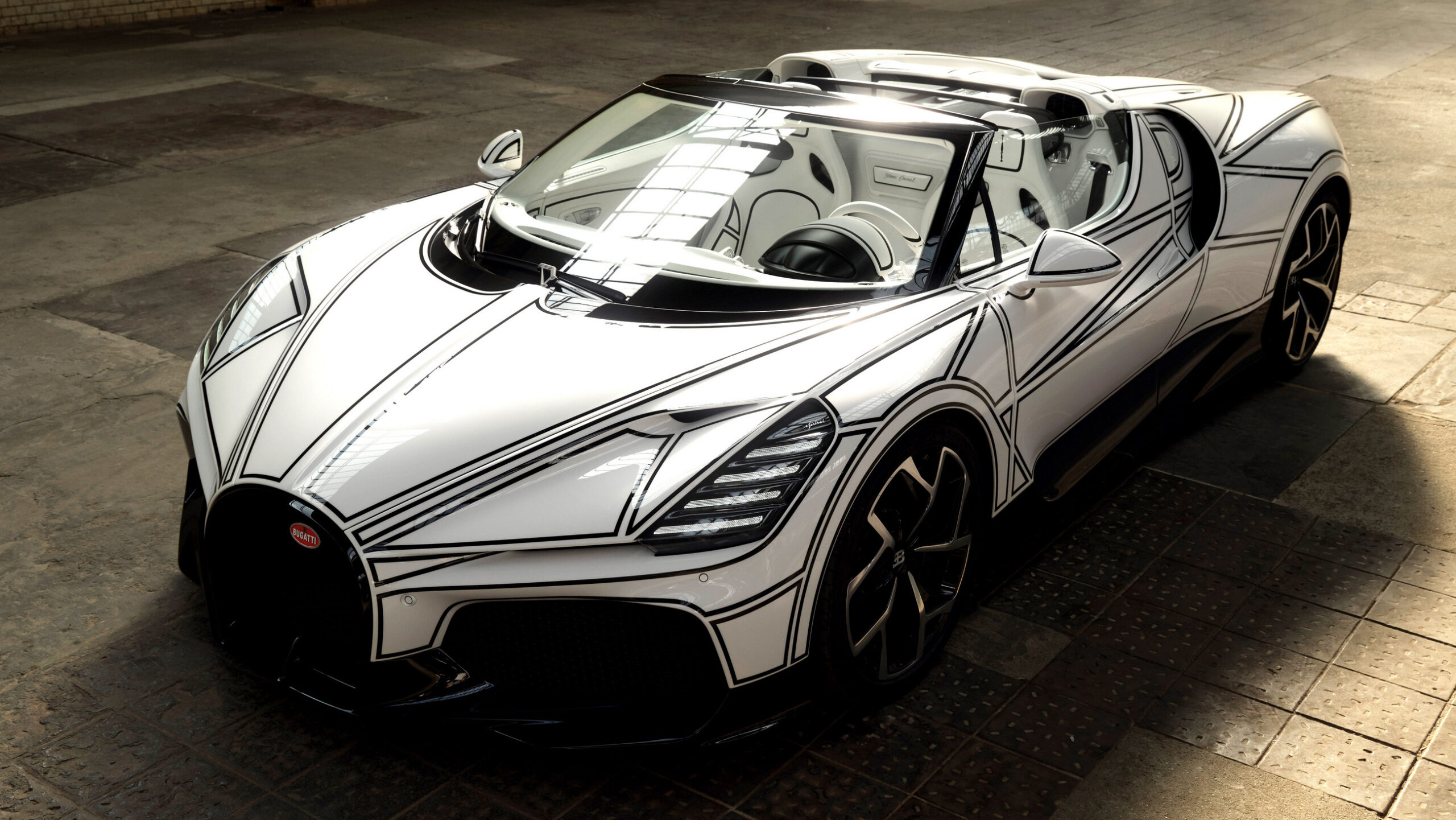
Blanc Éternel Hides Its Speed Behind a Gas Cap
Bugatti built a 261-mph roadster and made sure you'd notice the porcelain first.
From the other desks.

Gold Leaf on a Lacquer Dial, and the Weight of What That Costs
Awake's Frosted Leaf Royal Blue asks a question Vietnamese craft has never quite had to answer at this price.

ESPN Named Him. Then Unnamed Him. Nobody's Explaining the Gap.
A retraction without a reckoning is just a deleted link.

Hide My Email Has Been Showing Your Email
Apple's privacy flagship has a hole in it. They've known for over a year.