Prince Never Left. Les Deux Just Reminded You.
A 17-piece tennis capsule that has nothing to do with tennis.
Photo · Andscape
There's a version of this story where a Copenhagen menswear brand licenses a '90s sports logo, slaps it on a polo, and calls it heritage. You've seen that version. It's forgettable and usually overpriced and gone in a week without leaving any impression at all.
This isn't that.
Les Deux and Prince have released a 17-piece limited collection, and the coverage around it keeps circling the same word without quite saying it: restraint. One piece on the drop notes that this isn't another tennis capsule — and it means that as a compliment, as a distinction, as a line drawn between what this is and what it easily could have been. That instinct to define the thing by what it refuses to do tells you more than any product description.
The Heritage Isn't the Point. The Edit Is.
Prince is the brand that dressed Andre Agassi during his most visually arresting years on tour. That's the association being activated here, and it's a potent one — not because nostalgia is automatically useful, but because that particular era of tennis aesthetics has aged in an interesting direction. What was once performance gear for a specific court moment now reads as something looser, more confident, more willing to be looked at. The sport justified the clothes then. The clothes justify themselves now.
What Les Deux does with that inheritance is the actual story. The brand operates out of Copenhagen, and one consistent thread running through coverage of their broader new arrivals is the idea that Danish menswear earns its reputation through considered cuts and fabrics chosen with some actual conviction — not through volume, not through noise. The collection with Prince doesn't abandon that sensibility to make room for the collaboration. It applies that sensibility to the collaboration. That's harder than it sounds.
Seventeen pieces is a number worth sitting with for a second. It's enough to build a coherent wardrobe argument. It's not so many that the edit stops meaning anything. Someone made decisions. Decisions were refused. That process is visible in the result, which is the best thing you can say about a limited drop in a market full of limited drops that feel unlimited in their mediocrity.
What the Coverage Keeps Missing
Three different sources touched this story and all three essentially agreed: the collection works, Les Deux is doing something worth paying attention to, the Prince association carries weight. That consensus is almost suspicious in how clean it is. But underneath it, there's a more interesting observation that none of them quite land on.
The reason this collaboration resonates isn't that '90s athletic heritage is fashionable right now — though it is. It's that off-court has become the more honest category. Tennis as a sport has its own marketing apparatus, its own performance narratives, its own sponsored athletes wearing things engineered for function. That world and this collection have essentially nothing to do with each other. And that separation is not a gap. It's the whole premise.
Les Deux isn't borrowing credibility from a sport. They're borrowing a visual language from a moment when that sport happened to produce clothes worth keeping. The Prince name isn't a performance endorsement. It's an aesthetic reference. And the collection earns that reference by treating it with the same quiet seriousness that, according to coverage of Les Deux's broader work, the brand brings to everything it makes.
Some things from the '90s deserve to stay there. Some things were just waiting for someone to finally know what to do with them.
Keep reading fashion.

Gold Leaf on a Lacquer Dial, and the Weight of What That Costs
Awake's Frosted Leaf Royal Blue asks a question Vietnamese craft has never quite had to answer at this price.
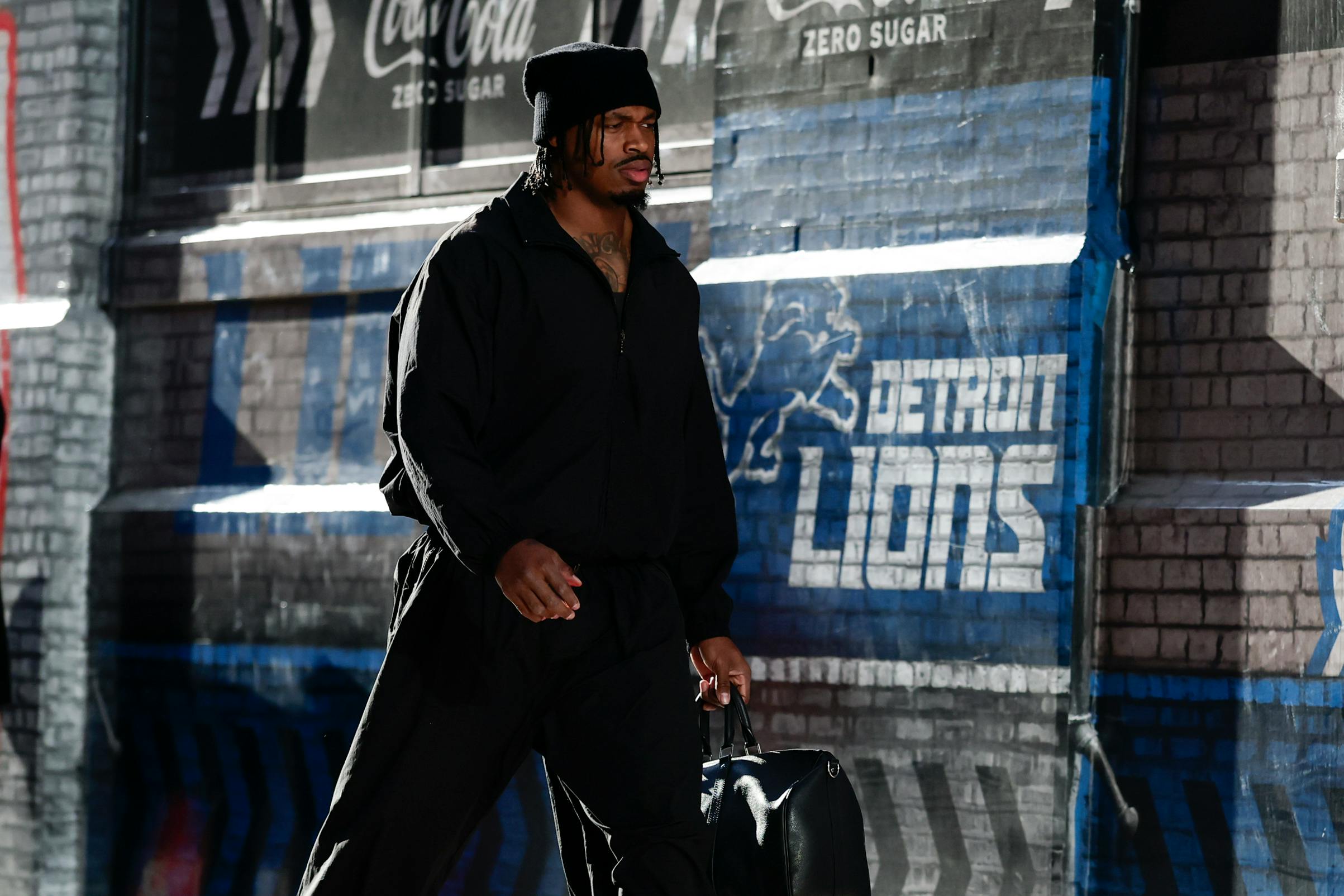
Kyle Smith Has a Job Title That Didn't Exist Before. That's the Whole Tell.
When the NFL hires a fashion editor, it's not about clothes — it's about who gets to decide what matters.
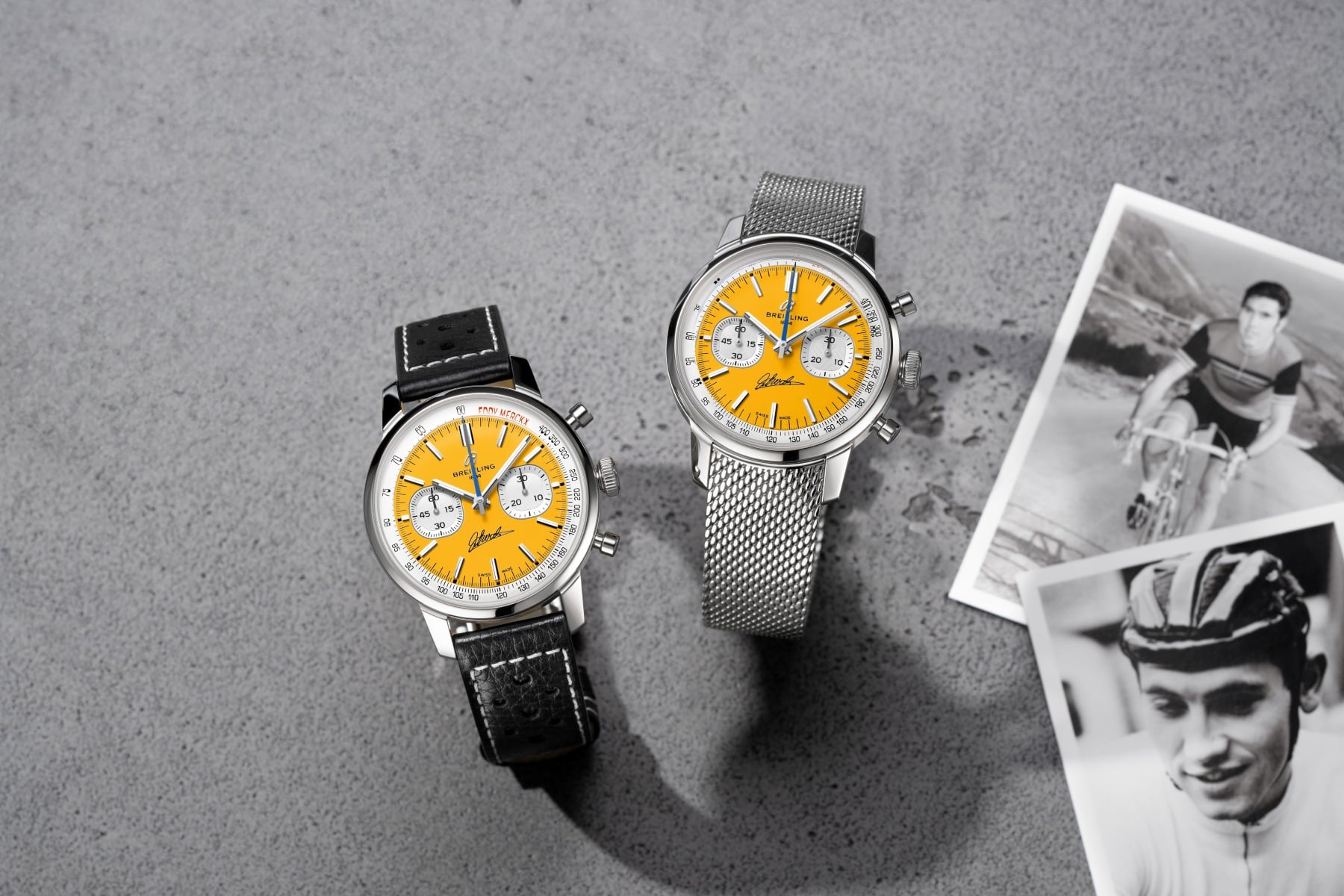
525 Victories, One Dial, and Cycling's Long Wait for a Wrist
Breitling's Eddy Merckx edition doesn't just reference a legend — it asks whether motorsport's younger sibling has finally earned its place in serious watch culture.
From the other desks.

800 Horsepower, One Ton of Doubt
Lamborghini built the most powerful SUV it's ever made. It's also slower than what it replaced.

ESPN Named Him. Then Unnamed Him. Nobody's Explaining the Gap.
A retraction without a reckoning is just a deleted link.

Hide My Email Has Been Showing Your Email
Apple's privacy flagship has a hole in it. They've known for over a year.