1,250 Horsepower Got the Record. Ford Took It Back in a Week.
Two lap times. One week apart. The Nürburgring just became America's proving ground.
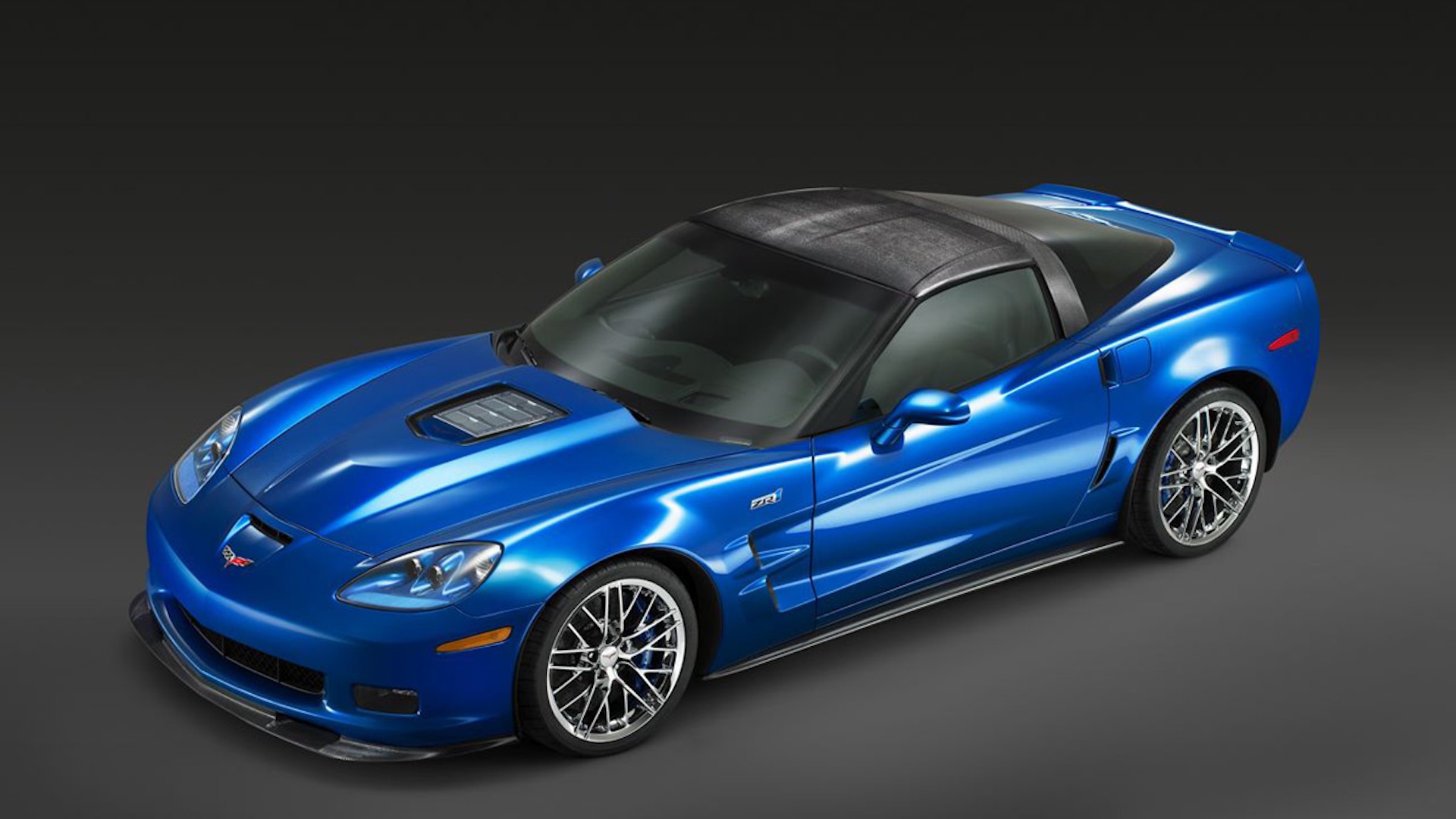
Photo · The Drive
The LS9 is dead. Chevrolet confirmed it — a supercharged V8 that tuners and builders had been pulling out of wrecked C6s and dropping into everything imaginable, gone from the parts catalog. And almost simultaneously, Chevy is teasing something big. Put those two facts next to each other and you start to understand the moment American performance is actually in.
It's not the horsepower arms race anymore. It's the lap time.
Six Minutes and Change
In August 2025, a Chevrolet ZR1X — running 1,250 horsepower — lapped the Nürburgring in 6:49.275, driven by Chevy's own engineers. A standard ZR1, at 1,064 horsepower, ran 6:50.763. For a moment, both held the record as the fastest American production cars ever around the Green Hell. Hagerty covered what happened next: Ford showed up and took it back.
One week. That's the margin between glory and footnote at the Nürburgring in 2025.
Here's what I keep thinking about: a few years ago, the conversation around American performance was almost entirely about cubic inches and supercharger whine. The LS9 was the symbol of that era — big, brutish, endlessly tuneable, the kind of engine people talked about the way they talked about muscle. Now Chevy is discontinuing it and chasing lap records in Germany with numbers that sound like a misprint. 1,250 horsepower. 6:49. Those aren't muscle car numbers. Those are aerospace numbers.
What the Lap Timer Reveals
The Nürburgring record isn't really about the Nürburgring. It's a measurement — a shared, reproducible, globally legible measurement that strips away the dyno sheet and the drag strip and forces a car to do everything at once. Braking, cornering, acceleration, balance, heat management. You can't fake a lap time. You can fake a horsepower figure, you can cherry-pick a drag strip run, but 6:49 is 6:49 and the whole world can look it up.
For decades, American performance talked to itself. Records at American tracks, by American standards, understood by American enthusiasts. The Nürburgring changes that conversation entirely. It says: we're not playing regional anymore. Come find us.
And Ford did. Immediately. That response — the speed of it, the directness of it — tells you something about where the competition has landed. This isn't marketing. This is a fight that both companies are taking seriously enough to fly engineers to Germany and drive as hard as the car will allow.
Meanwhile, Chevy is retiring the engine that defined one era of that fight and telegraphing something new. The LS9 going quiet while a 1,250-horsepower prototype runs the Green Hell isn't a contradiction. It's a transition. The displacement argument is over. The lap time argument just started.
Whatever Chevy is teasing, it arrives into a world where Ford already answered the last move. That's not a comfortable place to develop a car — and it's exactly the kind of pressure that produces something worth watching.
The Green Hell has a way of making everything honest.
Keep reading cars.

800 Horsepower, One Ton of Doubt
Lamborghini built the most powerful SUV it's ever made. It's also slower than what it replaced.

£11,990 Draws a Line Under Every Excuse You Had Left
Dacia just made the cheapest new car in Britain electric — and that's not a footnote, it's a verdict.
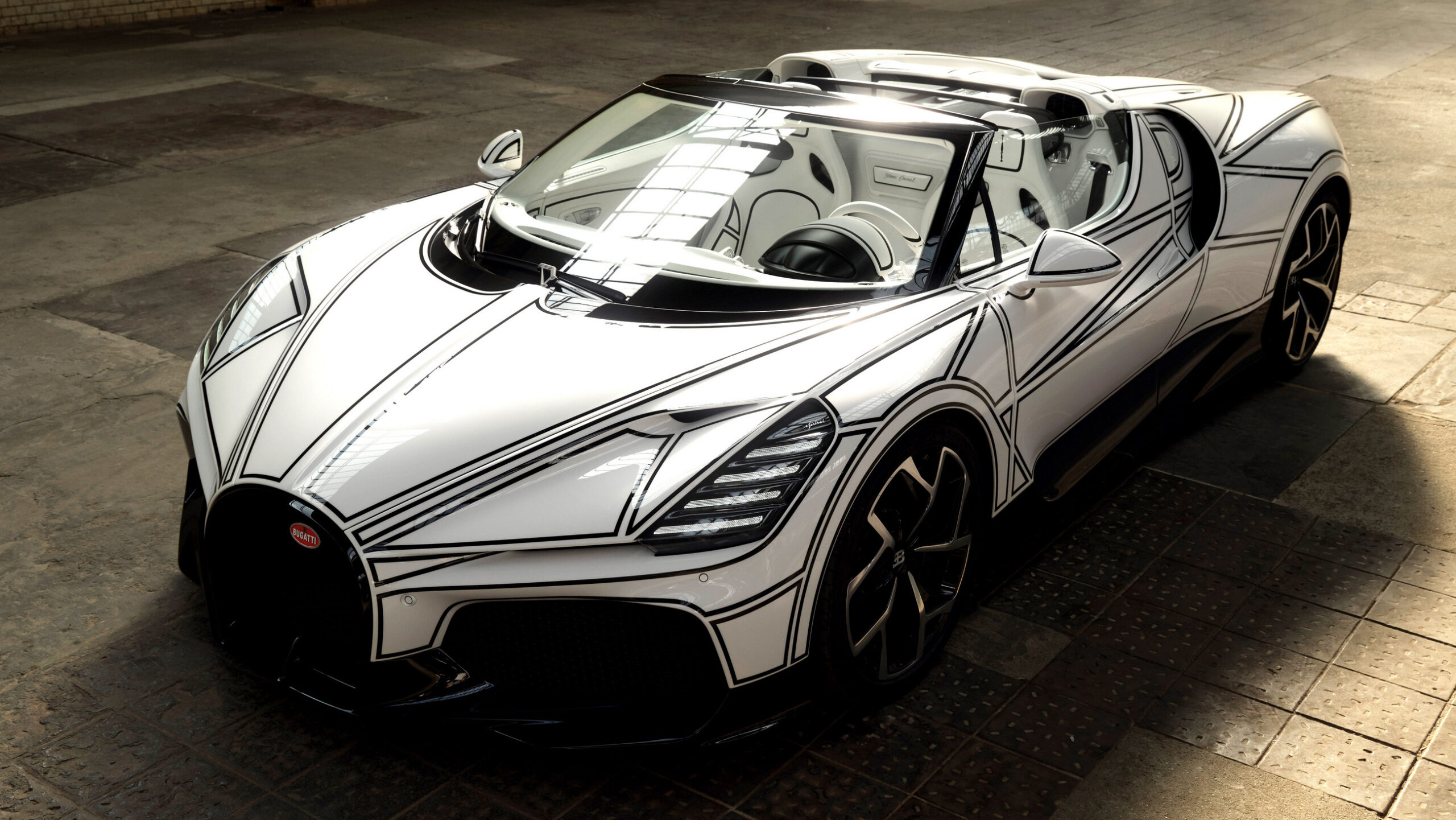
Blanc Éternel Hides Its Speed Behind a Gas Cap
Bugatti built a 261-mph roadster and made sure you'd notice the porcelain first.
From the other desks.

Gold Leaf on a Lacquer Dial, and the Weight of What That Costs
Awake's Frosted Leaf Royal Blue asks a question Vietnamese craft has never quite had to answer at this price.

ESPN Named Him. Then Unnamed Him. Nobody's Explaining the Gap.
A retraction without a reckoning is just a deleted link.

Hide My Email Has Been Showing Your Email
Apple's privacy flagship has a hole in it. They've known for over a year.