The Parts Are Already Here
Congress wants to ban Chinese cars from American roads. The American cars already on those roads didn't get the memo.
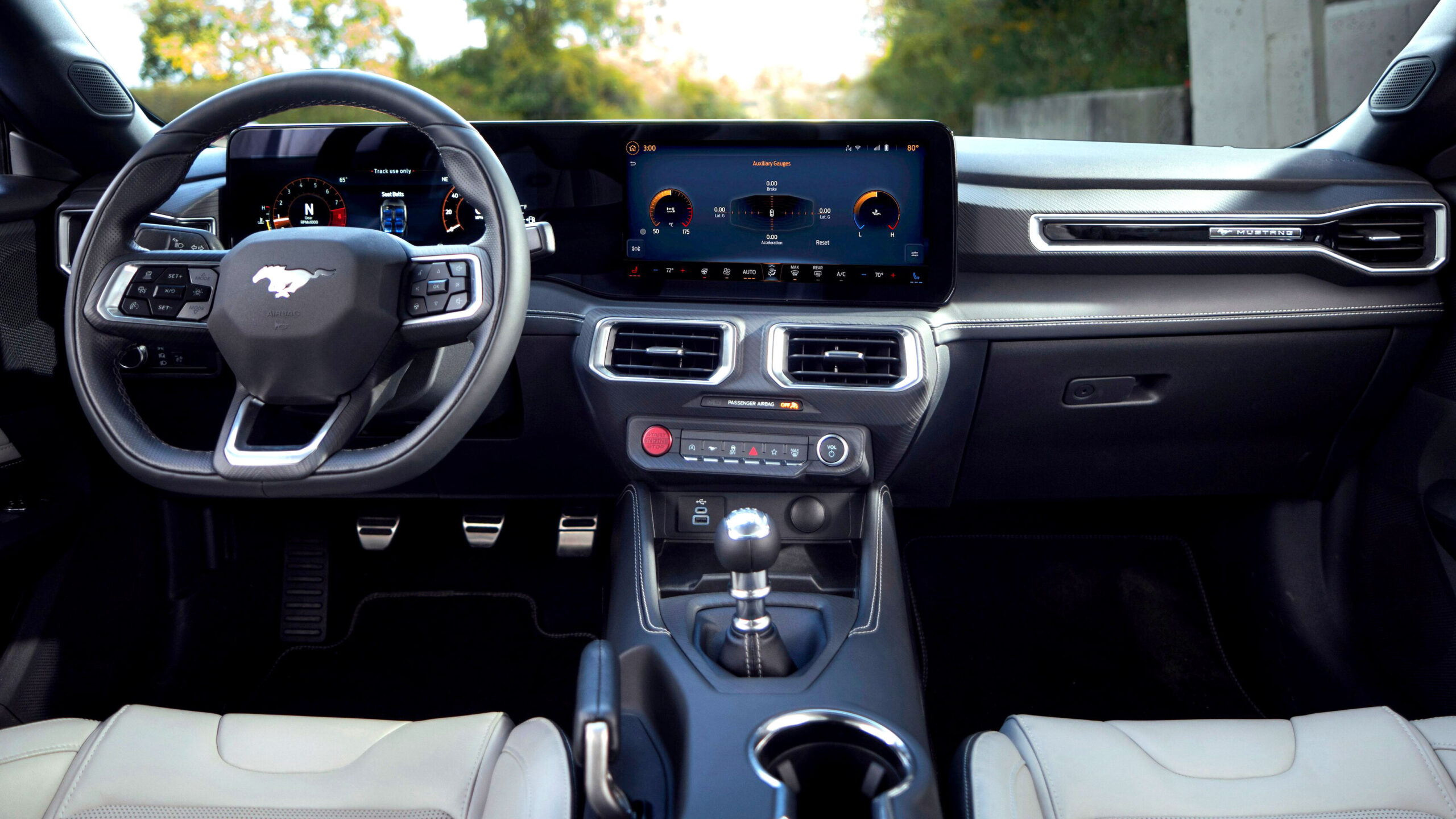
Photo · Carscoops
There's a version of protectionism that makes sense — you draw a line, you hold it, you accept the trade-offs. And then there's what Carscoops just laid out in plain language: Ford, GM, and Toyota all run Chinese components through their vehicles while lawmakers push to keep Chinese-badged cars off American roads entirely.
That's not a policy. That's a costume.
What the Ban Actually Bans
The restriction being discussed targets Chinese cars — the brand, the nameplate, the country of origin stamped on the door. What it doesn't target, apparently, is the supply chain feeding the cars we already build. According to the Carscoops piece, American automakers — including the most American-sounding names in the industry — source parts from China. The components are in there. They've been in there. The vehicle just wears a different flag on the grille.
This is the part worth sitting with: if the concern is dependency on Chinese manufacturing, or security risk from Chinese-origin technology embedded in vehicles, then a ban on Chinese nameplates doesn't address either. It addresses optics. It addresses the idea of a Chinese car in a suburban driveway in Ohio, not the material reality of Chinese-made parts moving through a supply chain that touches nearly every vehicle sold in this country.
A writer at Carscoops put this tension into focus without editorializing much — the facts do the work. Ford, GM, Toyota. The three names most synonymous with American automotive identity. All of them, per the reporting, sourcing from China.
The Supply Chain Already Won
There's something clarifying about this moment — not cynical, just honest. The global supply chain doesn't care about geopolitics. It cares about efficiency, unit cost, and logistics. Chinese manufacturing embedded itself into the global auto industry not through some coordinated strategy to compromise Western infrastructure but because it was competitive. It got there first on cost. It scaled. And by the time the conversation about dependency began in earnest, the dependency was already structural.
You can't legislate that out of existence by refusing to let a BYD sit in a dealership lot.
The machines rolling off American assembly lines are already composite objects — pieces of the world bolted together and called domestic. That's not a scandal. It's manufacturing in 2025. But it does make the proposed ban feel less like industrial policy and more like brand management. We're not protecting a supply chain. We're protecting a story we tell ourselves about where things come from.
And the cars aren't listening.
If you want to actually address Chinese manufacturing dependency in the auto sector, you'd have to talk about parts. About batteries. About the minerals that go into the batteries. That's a harder conversation, with harder trade-offs, and it would cost somebody real money. A nameplate ban costs nobody anything except the Chinese automakers who weren't selling many units here anyway.
Meanwhile, the components ride quietly inside vehicles that will never be called Chinese, doing exactly what they were designed to do.
Protectionism that stops at the badge isn't protection. It's a paint job.
Keep reading cars.

800 Horsepower, One Ton of Doubt
Lamborghini built the most powerful SUV it's ever made. It's also slower than what it replaced.

£11,990 Draws a Line Under Every Excuse You Had Left
Dacia just made the cheapest new car in Britain electric — and that's not a footnote, it's a verdict.
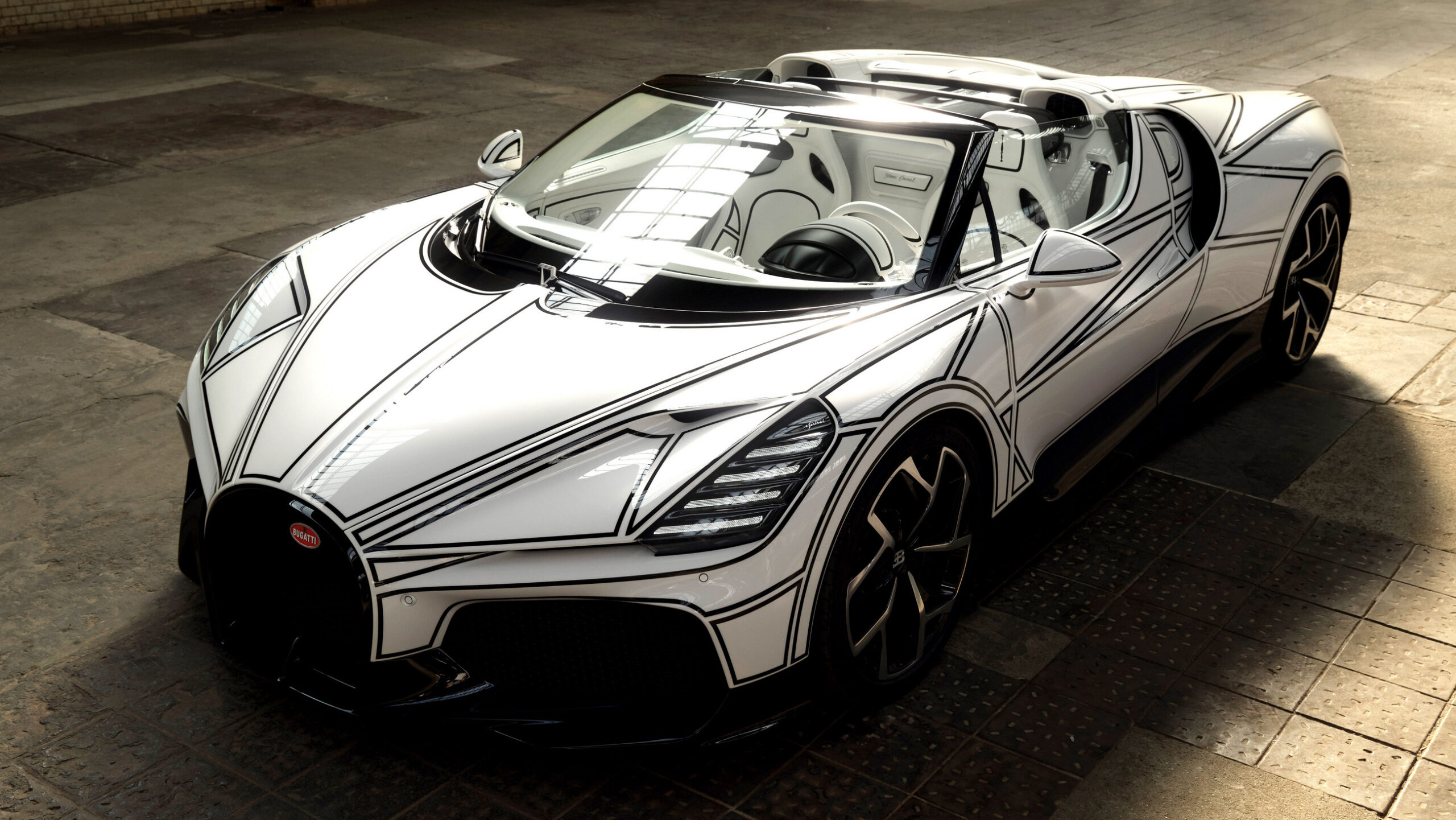
Blanc Éternel Hides Its Speed Behind a Gas Cap
Bugatti built a 261-mph roadster and made sure you'd notice the porcelain first.
From the other desks.

Gold Leaf on a Lacquer Dial, and the Weight of What That Costs
Awake's Frosted Leaf Royal Blue asks a question Vietnamese craft has never quite had to answer at this price.

ESPN Named Him. Then Unnamed Him. Nobody's Explaining the Gap.
A retraction without a reckoning is just a deleted link.

Hide My Email Has Been Showing Your Email
Apple's privacy flagship has a hole in it. They've known for over a year.