270,000 Engines and No Good Answer
Toyota recalled a quarter-million engines from its flagship truck. The part that should worry you isn't the recall.
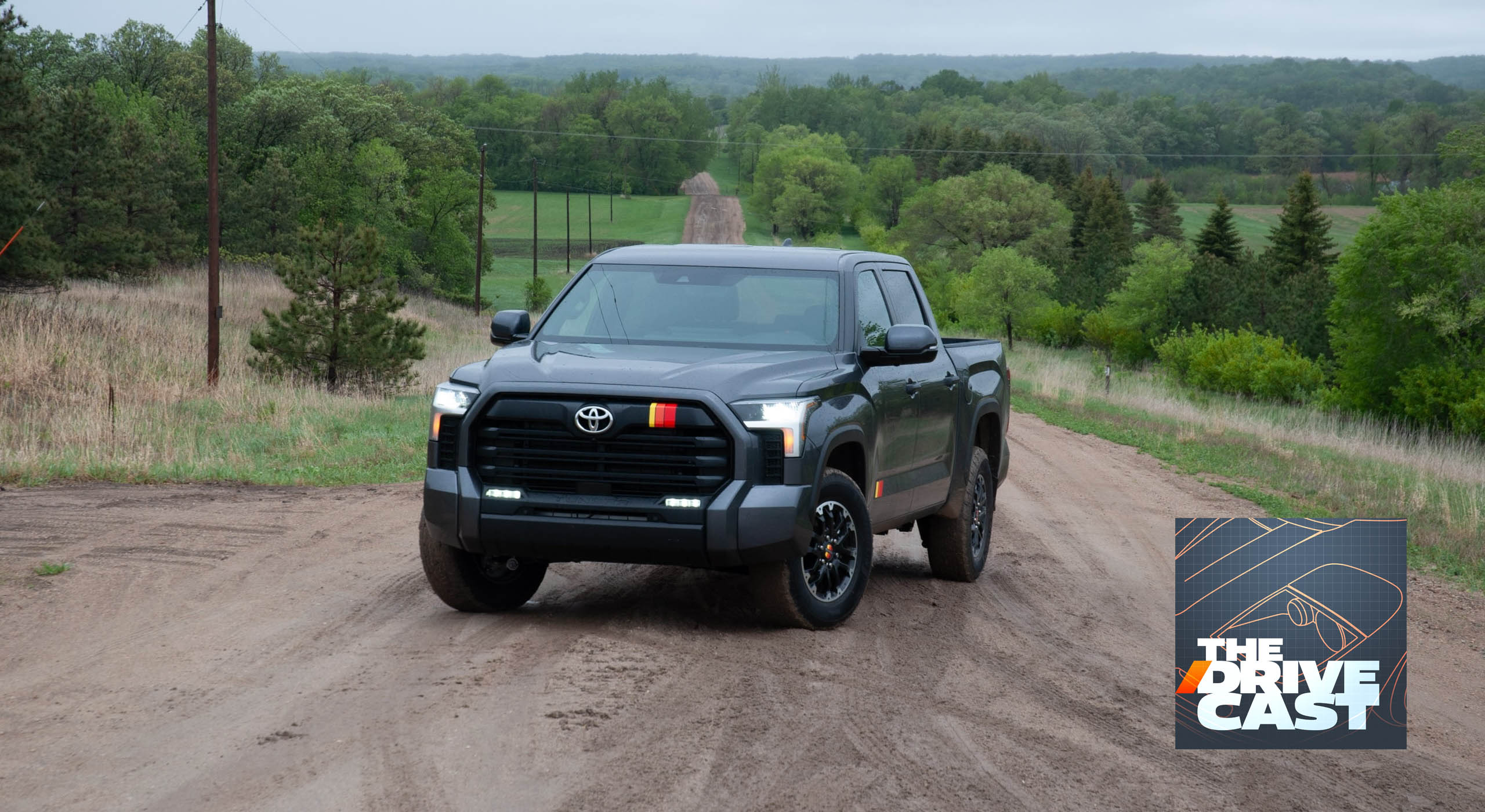
Photo · The Drive
Reputation is the slowest thing to build and the fastest thing to spend. Toyota has been building theirs for decades — not through advertising, not through design awards, but through the accumulated weight of engines that simply did not quit. That reputation lives in the bones of people who bought a truck because their father had one, and his never died. It is, in a very real sense, the product.
So when a writer at The Drive stakes out the position that the Tundra is threatening to undo all of it, the claim lands with specific gravity. This isn't hot takes about styling choices or interior plastics. This is about whether the machine does the one thing Toyota promised it would do.
According to The Drive's coverage, Toyota has recalled approximately 270,000 engines — and still cannot fully explain why they keep failing. Sit with that second part for a moment. The recall is manageable. Recalls happen. What's harder to manage is the admission embedded in that silence: we know something is wrong, and we are not sure what.
The Mythology Was Never an Accident
Toyota's reliability reputation didn't emerge from luck. It was methodical, cumulative, and — crucially — consistent across generations of ownership. The Tundra sits at the center of that covenant. It's a full-size truck in a segment where buyers are deeply loyal and deeply skeptical of anything that smells like compromise. These are people who depend on the vehicle, not just for the commute, but for the job, the tow, the haul. Failure isn't an inconvenience. It's a broken promise.
What The Drive is really documenting isn't a mechanical failure. It's the moment when a brand mythology meets a stress test. Because a recall, on its own, doesn't destroy a reputation. Owning the problem, explaining it clearly, and fixing it permanently — that's the path back. The dangerous position is the one Toyota currently occupies: a known problem, an incomplete explanation, and a customer base that gave the brand enormous benefit of the doubt going in.
What Doubt Actually Costs
The truck buyer who switches once is unlikely to switch back. That's the asymmetry here. Toyota can spend years rebuilding the Tundra's standing in the segment, and it might work. But a buyer who walks into a Ram or Ford dealership because they no longer feel certain — that's not a transaction. That's a relationship that ends.
The piece from The Drive is worth paying attention to not because the author is being alarmist, but because they're being precise. They're not saying Toyota is finished. They're saying the Tundra is a threat to the thing Toyota has always been able to sell without saying a word about it: certainty.
And certainty, once you've made people question it, is surprisingly hard to sell back.
The engine that never fails is invisible. It's only when it fails — and you can't explain why — that everyone suddenly remembers what they were counting on.
Keep reading cars.

800 Horsepower, One Ton of Doubt
Lamborghini built the most powerful SUV it's ever made. It's also slower than what it replaced.

£11,990 Draws a Line Under Every Excuse You Had Left
Dacia just made the cheapest new car in Britain electric — and that's not a footnote, it's a verdict.
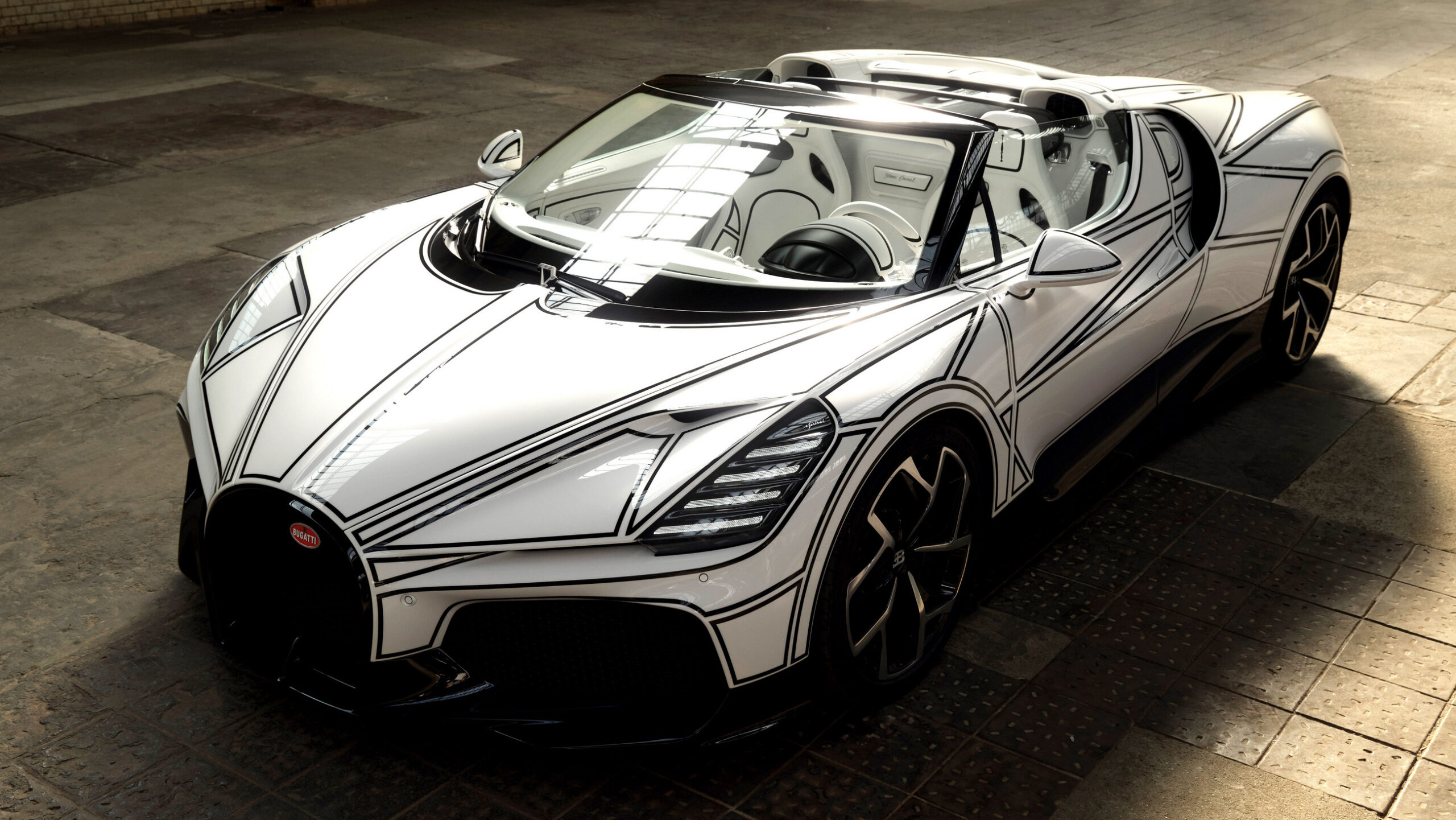
Blanc Éternel Hides Its Speed Behind a Gas Cap
Bugatti built a 261-mph roadster and made sure you'd notice the porcelain first.
From the other desks.

Gold Leaf on a Lacquer Dial, and the Weight of What That Costs
Awake's Frosted Leaf Royal Blue asks a question Vietnamese craft has never quite had to answer at this price.

ESPN Named Him. Then Unnamed Him. Nobody's Explaining the Gap.
A retraction without a reckoning is just a deleted link.

Hide My Email Has Been Showing Your Email
Apple's privacy flagship has a hole in it. They've known for over a year.