South Korea Played Like They Had Something to Prove. Turns Out They Did.
When one team's style becomes the tournament's argument, winning stops being the only thing that matters.
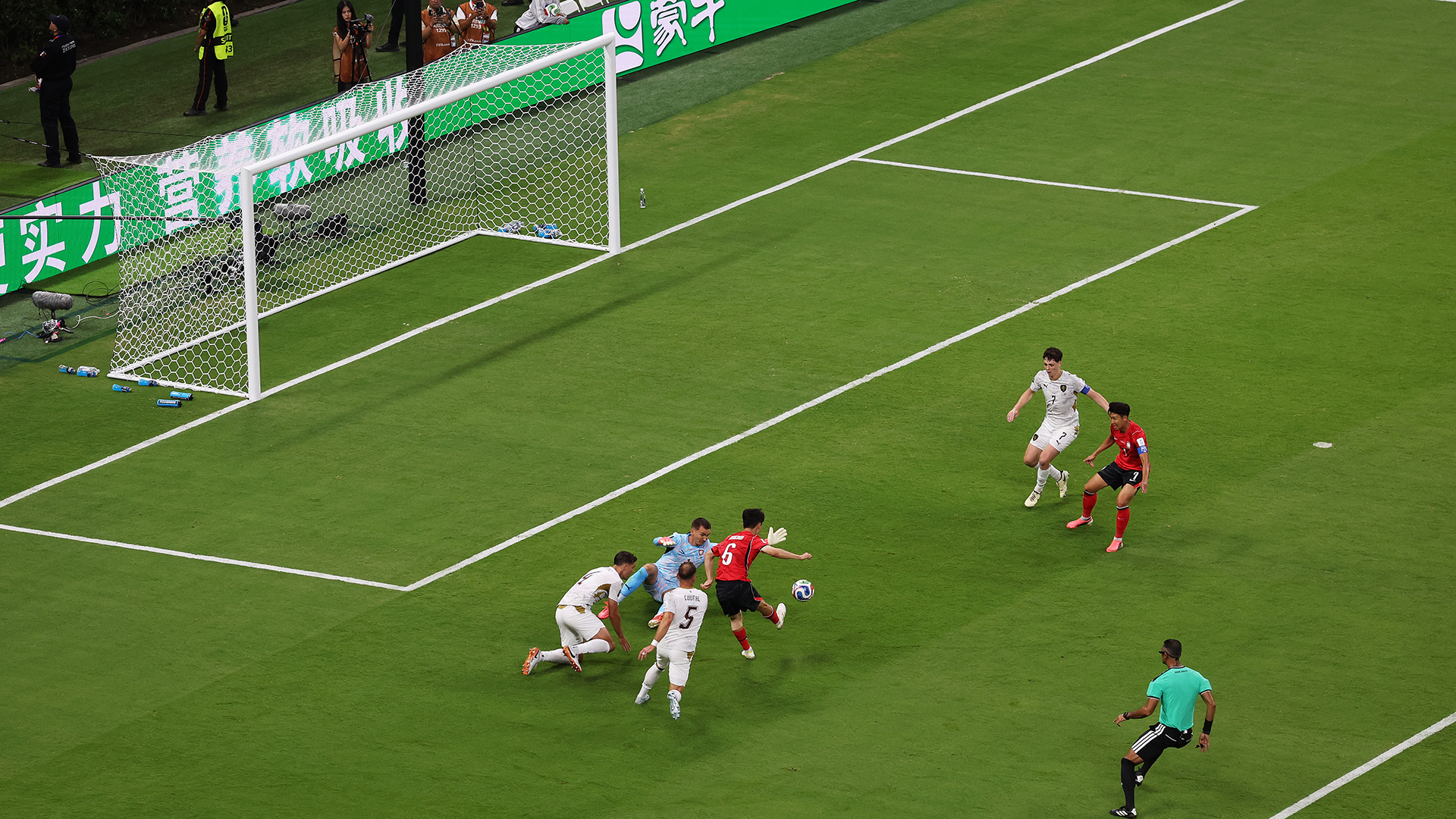
Photo · Defector
The Question Before the Whistle
There's a version of international football where results are everything and style is just the path you took to get there. Win ugly, win beautifully — six points is six points. That version of the sport has had a long, comfortable run. Coaches built careers on it. Entire national programs organized themselves around the premise that chaos management and set-piece ruthlessness were more reliable than any attempt at something that might be called play.
Then a tournament starts, and someone forgets to follow the script.
A writer at Defector opened their World Cup coverage not with a scoreline, not with a standout individual, but with a clash of philosophies — South Korea's approach running headfirst into Czechia's set-piece architecture and somehow, stubbornly, coming out ahead 2-1. The framing wasn't accidental. The writer called it the summer's starkest stylistic contrast, and they found it in the second match of the tournament. Second match. The summer hadn't even exhaled yet.
That's worth sitting with.
What Gets Named Gets Remembered
The phrase the Defector writer reached for — "Real Hooper Shit" — is doing a specific kind of work. It's the language of someone who watches basketball as fluently as football, who sees the connective tissue between how a team moves off the ball in one sport and how it moves in another. It's informal, almost deliberately so, and that informality is the tell: this is how you talk about something you love, not something you're obligated to cover.
But beyond the affection, there's an argument being made. South Korea wasn't just playing attractively. They were playing identifiably — a coherent system, a recognizable grammar, a style committed enough that the writer could name it in shorthand and trust the reader to follow. That kind of legibility is rarer than it should be at this level. National teams are assembled from club players mid-season, shoehorned into tactical shapes that sometimes fit and sometimes don't, asked to perform coherence on short preparation windows. When a team actually achieves it, when you can watch them and feel the intention, it reads as something close to a statement.
Czechia made a statement too. The set-piece wall is its own kind of philosophy — disciplined, physical, built around converting the moments the other team gives you. It's not unattractive if you understand what you're watching. It's a bet that entropy will create chances and that you'll be organized enough to take them. Against most opponents, it's a reasonable bet.
South Korea made it unreasonable. Not through some tactical masterstroke, but through the bluntest possible explanation: better players, playing better. The Defector writer says it almost like they can't believe they're saying it, like the simplicity of the answer is the joke. But it's not a joke. It's the sport working the way it's supposed to.
The Tournament's Central Tension, Surfacing Early
What's interesting isn't that South Korea won. It's that a football writer, two matches into a major summer tournament, already had their organizing theme. Style versus structure. Belief in possession and movement versus belief in shape and set pieces. The tension that runs through every tactical debate, every manager press conference, every argument about what football is for.
Tournaments need these tensions. They need a team to root for that means something beyond the country on the badge. South Korea, apparently, became that team fast — not because of where they're from, but because of how they play. That's the shift. That's what the Defector piece is actually tracking underneath the match report: the moment when a team's approach becomes the story, when the neutrals pick a side based on aesthetics rather than allegiance.
I've watched this happen before with teams I had no reason to follow, no cultural connection to, no dog in the fight. You find yourself leaning forward because something about the way they move the ball feels like an argument you want to win. It's irrational and it's completely real.
Permission to Care About How
The deeper thing the Defector writer is doing — maybe without fully announcing it — is granting permission. Permission to care about style in a context where results are supposed to be the only currency. Permission to frame a 2-1 win as a philosophical victory, not just three points. Permission to use the word "stole" in the headline, which implies something was taken from someone who wasn't expecting it — the tournament's attention, redirected before it had settled.
This matters because the counter-pressure is real. There's always someone ready to point out that pretty football doesn't win trophies, that the beautiful game is a myth sold by people who've never had to defend a lead in the eighty-third minute, that results are the only honest measure. That argument has enough evidence behind it that you can't dismiss it. But it also has a way of flattening everything, of making the sport feel like a resource extraction project rather than something worth watching.
South Korea, two matches in, gave a writer at Defector enough to build a whole frame around. That's not nothing. That's the tournament finding its character before most people had even checked the group standings.
How you play is the argument. South Korea showed up ready to make it.
Keep reading sports.

ESPN Named Him. Then Unnamed Him. Nobody's Explaining the Gap.
A retraction without a reckoning is just a deleted link.

Three People Died Celebrating. FIFA Hasn't Said Their Names.
Mexico City buried three people after the World Cup crowds came through. At some point, the sport has to sit with that.

Sell the Stadium, Lose the Room
NFL franchises are rolling out the welcome mat for World Cup tourists — and the desperation is showing.
From the other desks.

800 Horsepower, One Ton of Doubt
Lamborghini built the most powerful SUV it's ever made. It's also slower than what it replaced.

Gold Leaf on a Lacquer Dial, and the Weight of What That Costs
Awake's Frosted Leaf Royal Blue asks a question Vietnamese craft has never quite had to answer at this price.

Hide My Email Has Been Showing Your Email
Apple's privacy flagship has a hole in it. They've known for over a year.