95% New, Still Completely Unhinged
McMurtry rebuilt almost everything on its record-breaking fan car — and somehow kept the part that matters most.

Photo · Electrek
There's a version of this story where a small British company builds something genuinely deranged, watches it rewrite track records, and then quietly sands off all the edges before production. That's usually how it goes. The prototype gets the press, the production car gets the compromise.
McMurtry Automotive is not doing that.
The Spéirling — the electric fan car that has spent its prototype life humiliating circuits and turning physics into a suggestion — is headed to production. And according to coverage from both Electrek and InsideEVs, the production version carries 95% new components compared to the prototypes that came before it. Ninety-five. That's not a refresh. That's a rebuild with a shared philosophy.
What makes that number worth sitting with isn't the engineering flex. It's what it tells you about intent. McMurtry didn't iterate toward something safer. They used everything the prototypes taught them — all those sessions where the fan car proved its concept by embarrassing machines that cost three times as much — and they started over with the confidence of people who already know the idea works.
The Fan Is Still There. That's the Whole Story.
The Spéirling's defining feature — the downforce-generating fan that allows it to corner at speeds that shouldn't be possible for a car of its size and weight — survives into production. That's the thread. Everything else changed; that stayed. And because it stayed, the production Spéirling isn't a road-going tribute to a race car. It is the race car, wearing new clothes and carrying a VIN.
InsideEVs noted the visual departure from the prototypes — incremental changes had been shown along the way, but the final series car looks different in ways that go beyond surface. Electrek framed it as a tease ahead of a full reveal, which means by the time you read this, there may already be sharper images in the world. But the number — 95% new — doesn't need a photo to land.
The question that hangs over every insane prototype is whether the production version will be allowed to be what the prototype promised. Whether the lawyers, the accountants, or the engineers responsible for things like door seals and cup holders will negotiate the soul out of it. McMurtry's answer, delivered through that one statistic, is that they rebuilt the whole thing rather than compromise the thing that made it worth building.
What Electric Obsession Looks Like With a Straight Face
There's a version of the EV performance conversation that's gotten exhausting — the horsepower arms race, the 0-60 records that stopped meaning anything once every sedan could do it in under three seconds. The Spéirling has never been part of that conversation. It's doing something structurally different: using the fan to generate downforce mechanically, which means it gets faster as it goes faster, in a way that has nothing to do with torque figures or battery size.
That's not a gimmick. That's a theory about what a car can be, carried from a sketch through prototypes and now into something with 95% new parts that someone will actually drive.
Small British car companies have made grand promises before. Most of them don't survive the gap between prototype and production. McMurtry is closing that gap — and they rebuilt almost everything to do it right.
The fan stays. That's not a detail. That's the argument.
Keep reading cars.

800 Horsepower, One Ton of Doubt
Lamborghini built the most powerful SUV it's ever made. It's also slower than what it replaced.

£11,990 Draws a Line Under Every Excuse You Had Left
Dacia just made the cheapest new car in Britain electric — and that's not a footnote, it's a verdict.
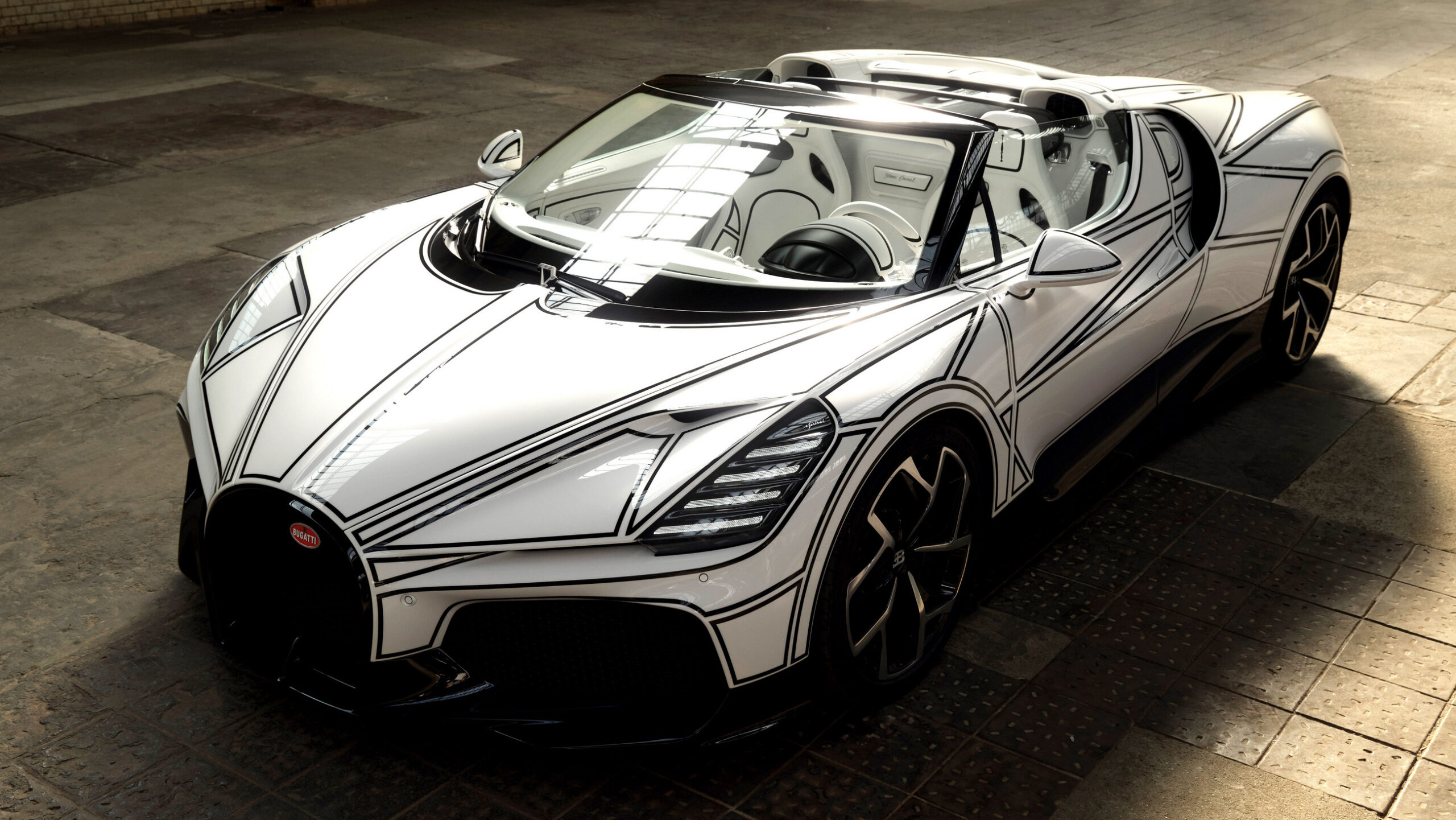
Blanc Éternel Hides Its Speed Behind a Gas Cap
Bugatti built a 261-mph roadster and made sure you'd notice the porcelain first.
From the other desks.

Gold Leaf on a Lacquer Dial, and the Weight of What That Costs
Awake's Frosted Leaf Royal Blue asks a question Vietnamese craft has never quite had to answer at this price.

ESPN Named Him. Then Unnamed Him. Nobody's Explaining the Gap.
A retraction without a reckoning is just a deleted link.

Hide My Email Has Been Showing Your Email
Apple's privacy flagship has a hole in it. They've known for over a year.