Collector Fatigue Finally Said Its Own Name Out Loud
A watch publication asked its readers which piece they'd wear forever and stop thinking about — and the answer quietly rewrote what it means to own something beautiful.
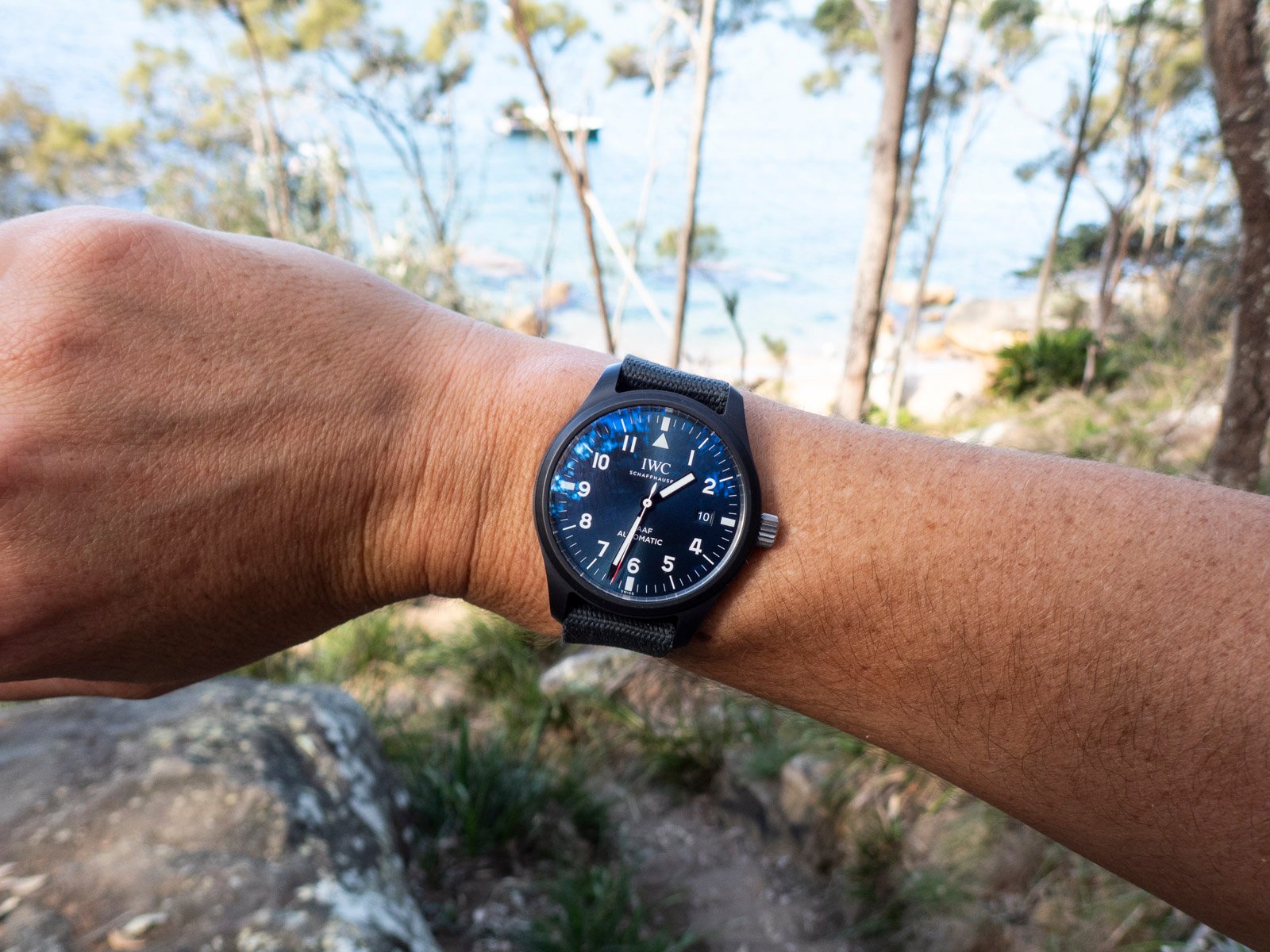
Photo · Fratello Watches – The Magazine Dedicated To Luxury Watches
The Noise Has a Shape Now
Picture a drawer. Not metaphorically — an actual drawer, in an actual bedroom, slightly sticky from humidity, full of watches that were urgent once. Each one arrived with a story attached: the limited run, the reissue, the collab that sold out in eleven minutes. Each one felt like a decision made under pressure, which is another way of saying it wasn't really a decision at all. It was participation. And participation, held long enough, starts to feel like its own kind of exhaustion.
Fratello Watches has published a piece asking its readers a deceptively simple question: what is your "set and forget" watch? The one you'd strap on and stop thinking about. The one that ends the search rather than extending it. It's a soft question dressed in collector language, but underneath it something sharper is happening. Because the very act of asking it — of naming this thing, of giving the fatigue a frame — suggests the community has reached a threshold. The noise of new releases, the piece notes, has become louder than the passion underneath it. Titanium this, forged carbon that. Another integrated bracelet with a fumbling backstory about racing or diving or aviation. The catalogue of urgency has grown long enough that people are now actively fantasizing about silence.
That's not a small thing. That's a shift.
What Acquisition Costs
Watch collecting has always had an acquisitive grammar. You learn the references, track the releases, study the auction results, build the collection — and the collection, implicitly, is never finished. Finishing would mean stopping. Stopping would mean the passion has cooled. So you keep going, and the going becomes the point, and somewhere in there the objects themselves get a little blurry.
What Fratello has stumbled into — or perhaps deliberately surfaced — is the moment when a meaningful slice of that community looked at the grammar and decided to write a different sentence. Not "what should I get next" but "what would I keep if I had to keep just one." That's a fundamentally different question. It reorients the whole project of ownership away from momentum and toward meaning. It asks: what actually matters here, when the hype timeline is stripped away?
I find this interesting not because the answer is surprising — it rarely is, in these conversations — but because the question is being asked at all, publicly, by a publication whose business model is partially built on enthusiasm for new releases. There's a kind of editorial honesty in that. An acknowledgment that the reader they're serving has grown more complicated than "excited about the next drop."
The Peace in a Single Object
There's a version of sophistication that looks like accumulation. More references, more complications, more dial variations in more metals. And then there's the version that looks like restraint — the single watch on the wrist, worn daily, no longer requiring justification. The latter is harder to arrive at, because it requires actually knowing what you want rather than responding to what's available.
The "set and forget" concept is really a description of that second kind of sophistication. It's the watch you'd choose if the market stopped tomorrow. If no new references dropped for a year. If the only thing left was what you already owned and what that object actually meant to you on a Tuesday morning when nothing is happening and you just need to know what time it is.
What strikes me about the Fratello piece is that it doesn't frame this as a failure of enthusiasm. It frames it as a destination — the place the journey was always supposed to be heading, even if the journey kept finding reasons to extend itself. That reframe matters. It gives collectors permission to stop without feeling like they've given up. It suggests that the most mature relationship with a beautiful object might be one of settled, undramatic loyalty rather than constant re-evaluation.
There's something instructive in that for anyone who owns things carefully — watches, cars, clothes, tools. The chase has its pleasures, and I won't pretend otherwise. But the chase is also, at some point, just noise with better packaging. The question worth sitting with is whether the thing you already have, worn without fanfare on an ordinary day, is already the answer you were looking for.
Most of the time, it is. Most of the time, it was.
Keep reading fashion.

Gold Leaf on a Lacquer Dial, and the Weight of What That Costs
Awake's Frosted Leaf Royal Blue asks a question Vietnamese craft has never quite had to answer at this price.
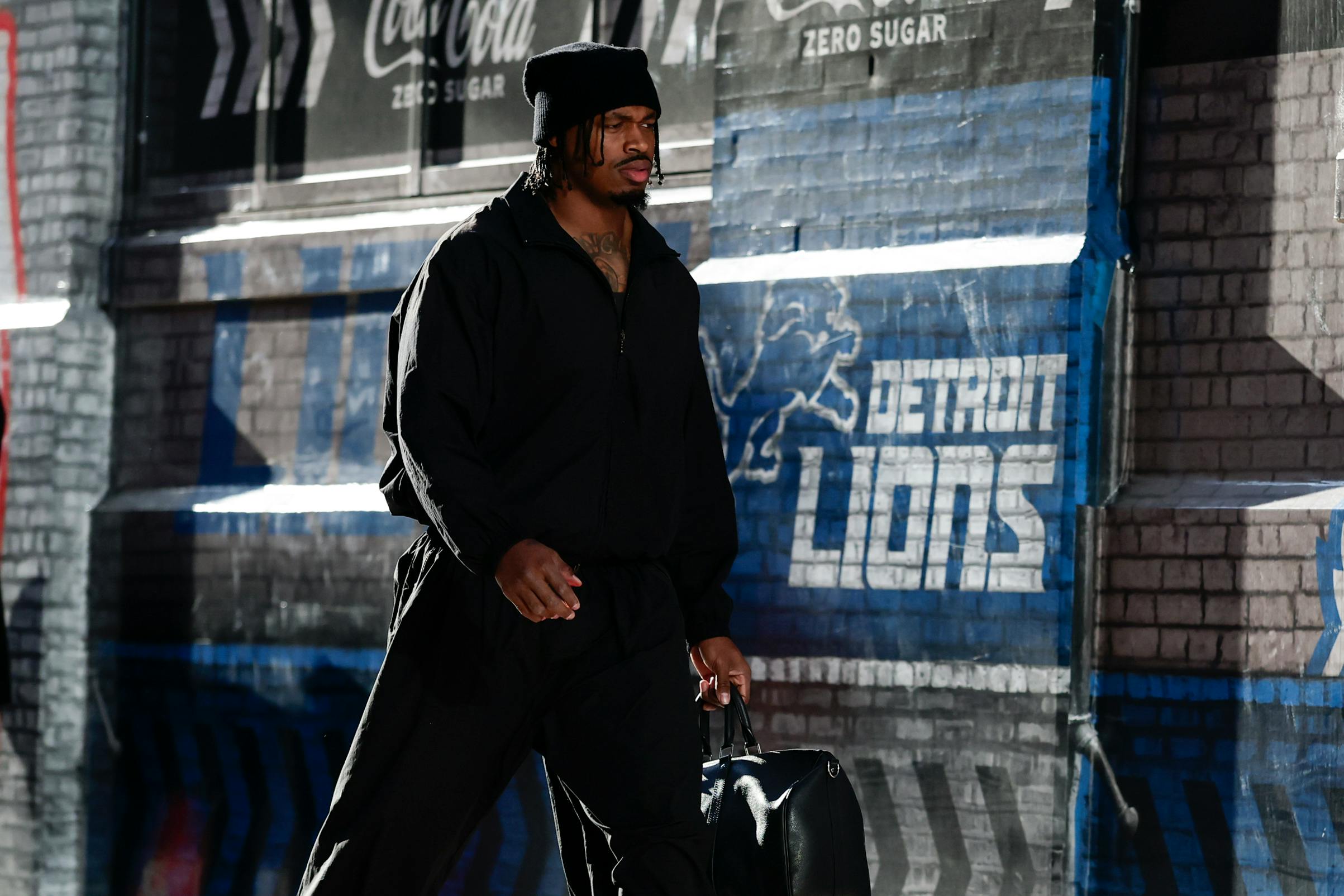
Kyle Smith Has a Job Title That Didn't Exist Before. That's the Whole Tell.
When the NFL hires a fashion editor, it's not about clothes — it's about who gets to decide what matters.
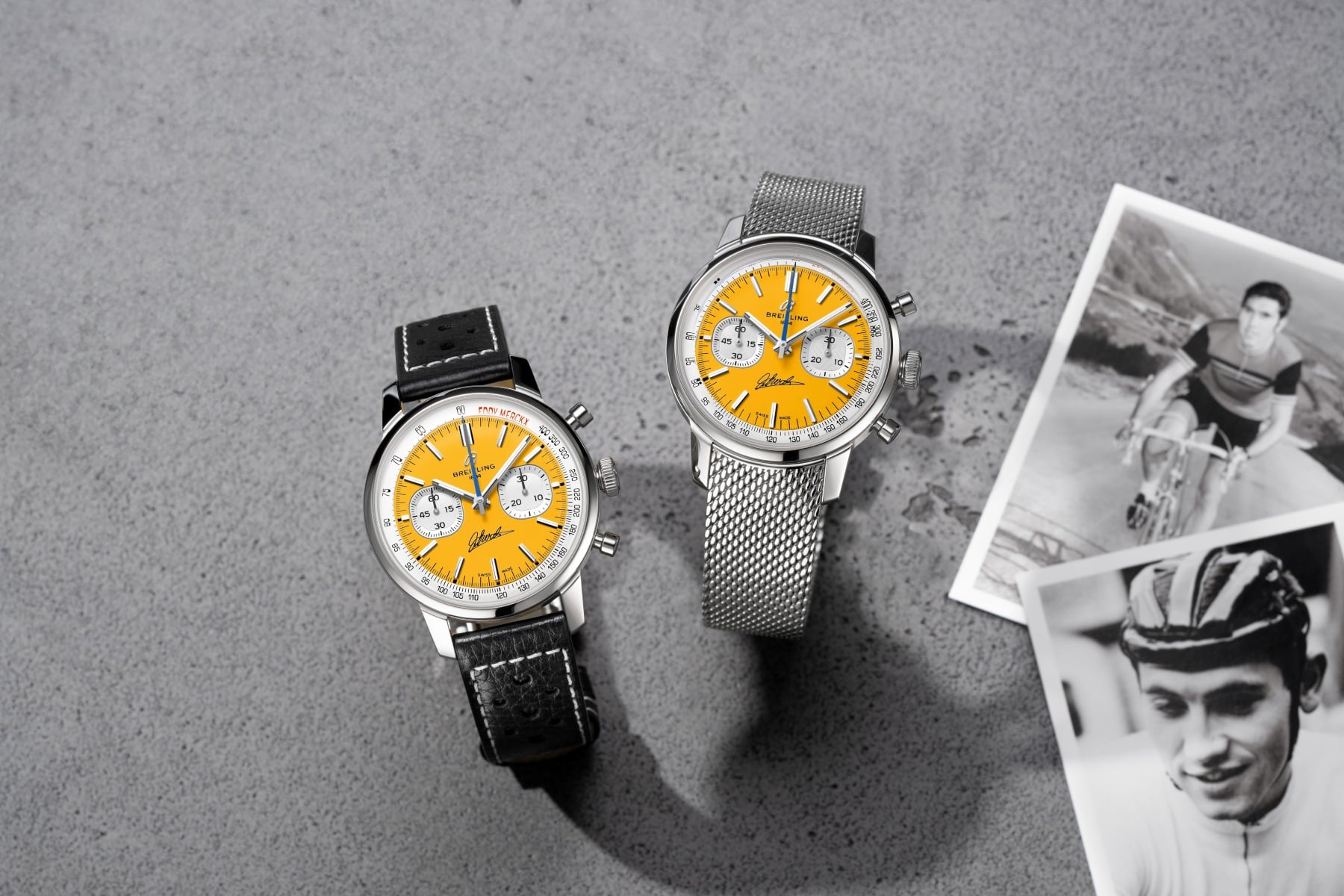
525 Victories, One Dial, and Cycling's Long Wait for a Wrist
Breitling's Eddy Merckx edition doesn't just reference a legend — it asks whether motorsport's younger sibling has finally earned its place in serious watch culture.
From the other desks.

800 Horsepower, One Ton of Doubt
Lamborghini built the most powerful SUV it's ever made. It's also slower than what it replaced.

ESPN Named Him. Then Unnamed Him. Nobody's Explaining the Gap.
A retraction without a reckoning is just a deleted link.

Hide My Email Has Been Showing Your Email
Apple's privacy flagship has a hole in it. They've known for over a year.