Audi Built a Statement. It Runs on Gasoline.
987 horsepower, 499 cars, and a V8 that says more about where the industry is headed than any EV roadmap.
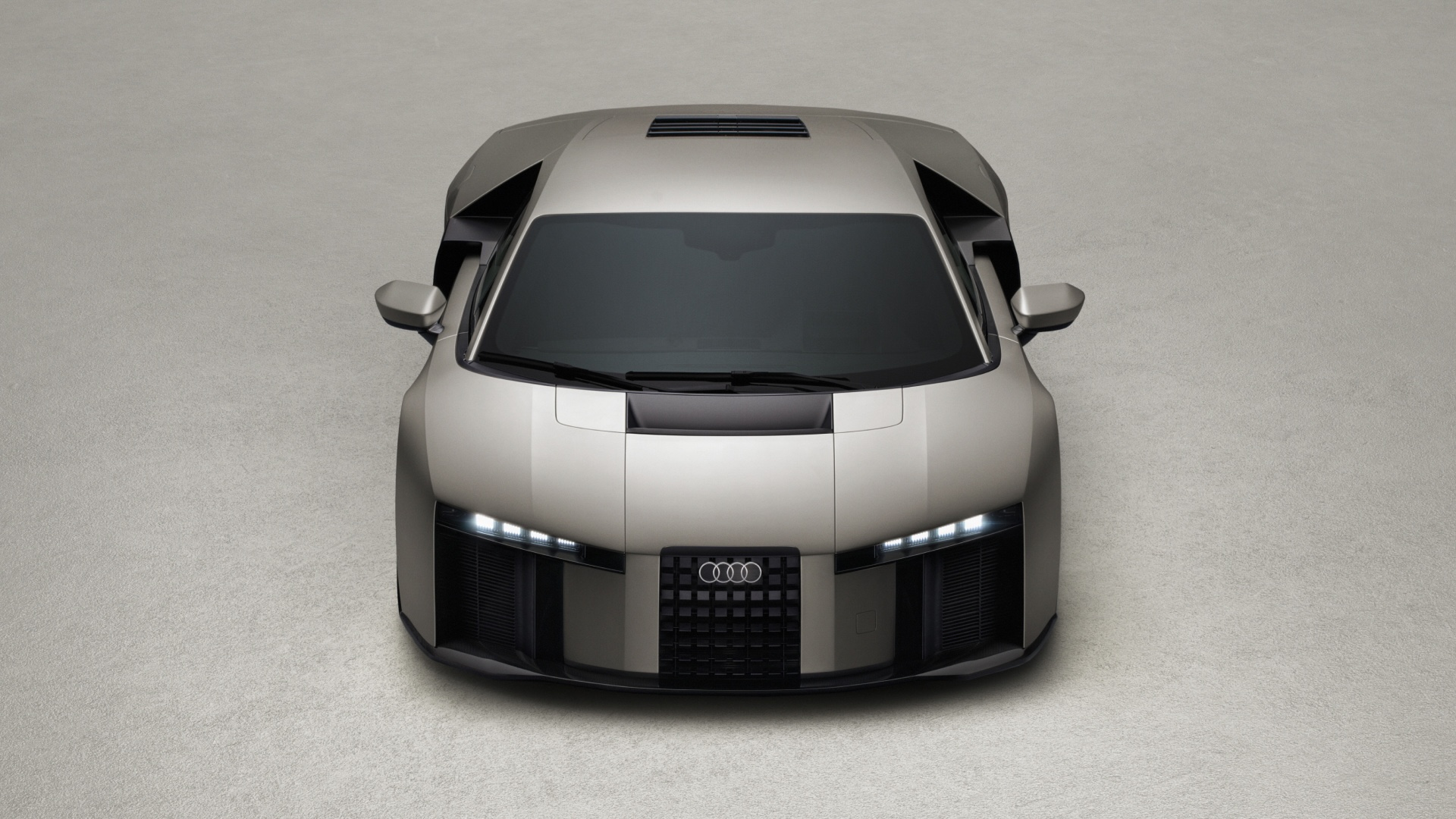
Photo · The Drive
There's a version of this story where Audi plays it safe — another electric flagship, another range figure, another careful press release about sustainability commitments. That version does not exist. What exists instead is the Nuvolari: a mid-engined, carbon-bodied, twin-turbocharged V8 hybrid supercar making 987 horsepower, limited to 499 units, priced upward of £500,000, and arriving in early 2027. Audi's CEO Gernot Döllner called it "a statement for the future" of the brand. He wasn't being subtle.
The engine at the center of this thing is a 4.0-litre twin-turbocharged V8 — the same unit found in the Lamborghini Temerario — capable of spinning to 10,000 RPM. Three axial flux electric motors join it, all working together in a torque-vectoring all-wheel-drive system. The result is the most powerful production car Audi has ever built. The body is full carbon fiber. The aerodynamics are active. The technology is described as Formula 1-inspired. This is not a car that hedges.
Not the R8's Shadow
For years, the R8 occupied an awkward position — a genuine supercar that kept getting compared unfavorably to its Lamborghini siblings, first the Gallardo, then the Huracán. Autocar put it plainly: the R8 played second fiddle. The Nuvolari, they argue, has no intention of repeating that arrangement. It carries more power than the Temerario, a full carbon body, and a production run that places it in the same exclusivity tier as a LaFerrari. These are not the specs of a car built to be dismissed.
Jalopnik described it as wide, low, and "oppressively German" — enough of an R8 evolution to feel familiar without being derivative or retro. That's a difficult balance to land, and the fact that multiple outlets noted it suggests Audi threaded it. The Nuvolari also introduces the brand's new design language, which means whatever comes after it will carry some of this car's DNA. That raises the stakes considerably.
Three Motors, One Argument
Here's the thing that the coverage keeps circling without quite landing on: the Nuvolari is technically a plug-in hybrid. InsideEVs covered it. Three electric motors, axial flux architecture, significant electrification. And yet nobody is leading with that. Nobody is calling it an EV play. Because the story of this car isn't electrification — it's a V8 that screams to 10,000 RPM, with electricity serving that engine rather than replacing it.
That's the real statement Döllner is making. Not that Audi is abandoning electrification, but that performance at this level still runs on combustion as its beating heart. The motors are tools. The V8 is the soul. In 2026, building a car this way — choosing a screaming naturally-high-revving engine as your flagship move — is a position. It will make some people uncomfortable. It will make 499 buyers extremely happy.
Motor1 is already reporting that Audi's CEO has hinted at a convertible variant, which means the Nuvolari isn't a one-and-done gesture. It's the opening move in something larger. A new design language, a new performance hierarchy, a new way of asserting that Audi builds driver's cars rather than appliances with badges.
Five hundred thousand pounds. Four hundred and ninety-nine copies. A V8 that redlines at ten thousand. Some arguments don't need footnotes.
Keep reading cars.
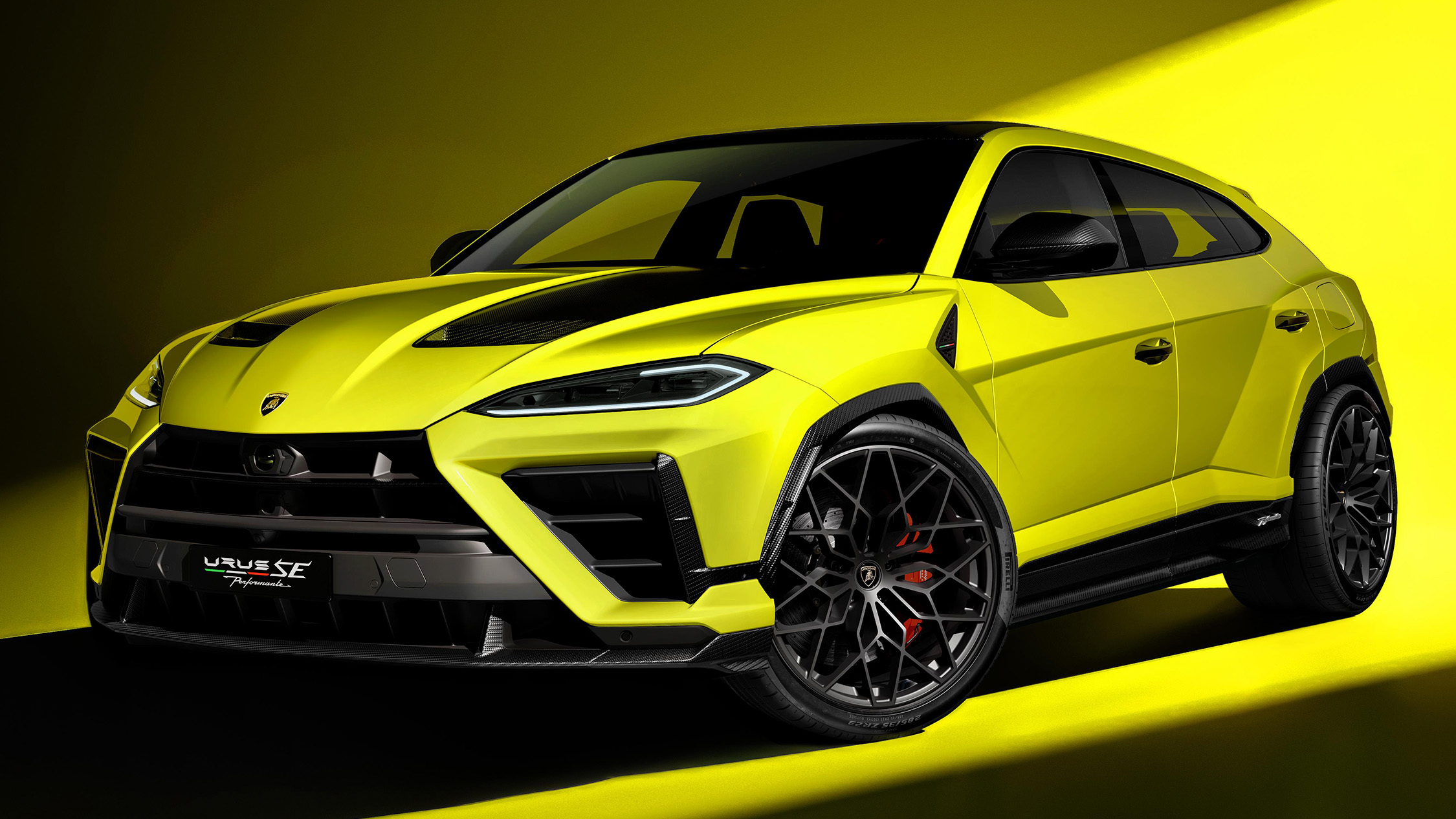
800 Horsepower, One Ton of Doubt
Lamborghini built the most powerful SUV it's ever made. It's also slower than what it replaced.

£11,990 Draws a Line Under Every Excuse You Had Left
Dacia just made the cheapest new car in Britain electric — and that's not a footnote, it's a verdict.
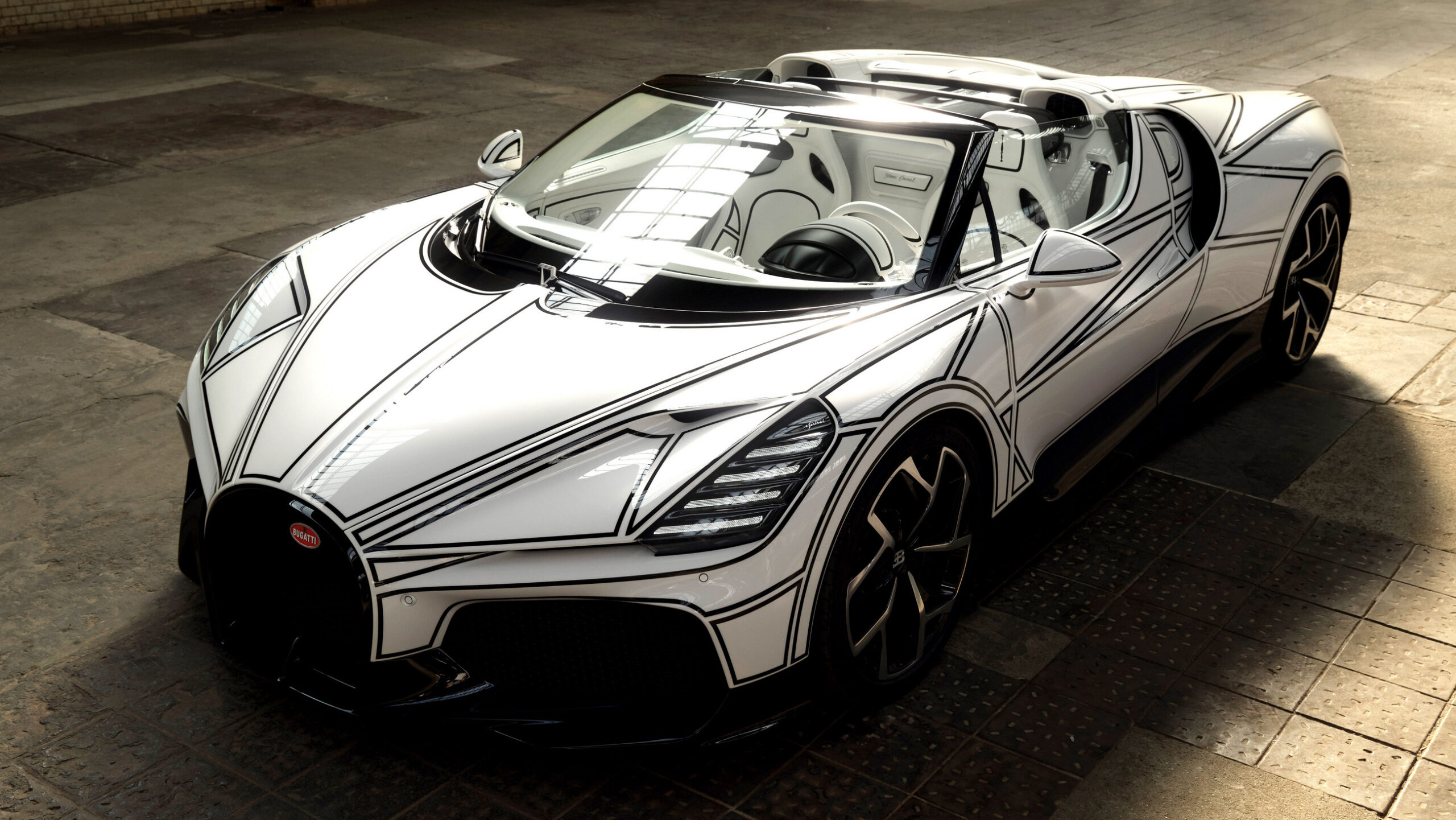
Blanc Éternel Hides Its Speed Behind a Gas Cap
Bugatti built a 261-mph roadster and made sure you'd notice the porcelain first.
From the other desks.

Gold Leaf on a Lacquer Dial, and the Weight of What That Costs
Awake's Frosted Leaf Royal Blue asks a question Vietnamese craft has never quite had to answer at this price.

ESPN Named Him. Then Unnamed Him. Nobody's Explaining the Gap.
A retraction without a reckoning is just a deleted link.

Hide My Email Has Been Showing Your Email
Apple's privacy flagship has a hole in it. They've known for over a year.