Automakers Solved the Powertrain. Then They Handed You a Tablet.
A new study says infotainment screens are getting worse every year. The industry should be embarrassed by what that actually means.
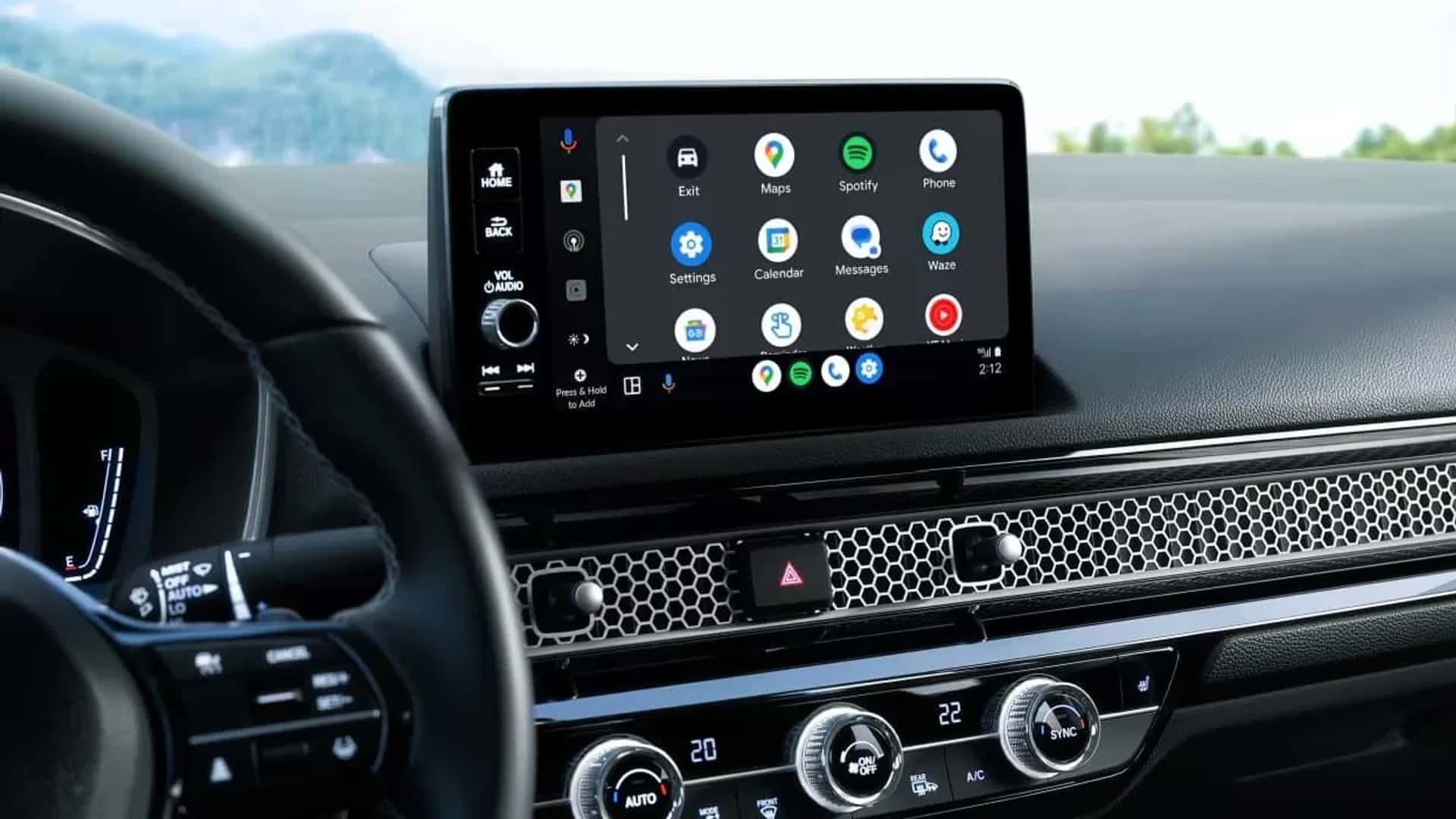
Photo · InsideEVs - Articles
There's a study out, covered by a writer at InsideEVs, with a finding that should make every product chief at every automaker sit quietly with their coffee for a moment: infotainment screens are the one area in cars where initial quality has gotten worse, year over year.
Not flat. Worse.
Everything else is trending up. Powertrains are more refined. Ride quality keeps improving. Safety systems have become genuinely impressive. And then you reach for the climate controls and you're fighting a lag-prone touchscreen that requires three taps and your full attention to do something a knob handled in under a second. The engineering capability is obviously there. So the question is what they chose to do with it.
The Gap Between Can and Did
Here's what makes this particular failure sting: screens are software. Software is theoretically fixable. Over-the-air updates exist. The tools to get this right are available to every manufacturer in the game. The fact that quality is declining isn't a supply chain problem or a materials constraint. It's a priority problem.
And the priority is legible if you look at it honestly. Screens are the most visible demonstration of a car being modern. They're the thing you photograph for a press release. They're the feature that reads well in a spec sheet. A beautifully damped suspension doesn't show up on a showroom floor the way a 15-inch display does. So the incentive is to make the screen look impressive, not to make it work well — and apparently, year after year, that trade is being made.
Drivers are noticing. The study says so plainly.
What This Reveals About Credibility
The infotainment problem is a credibility problem, and not just in the narrow consumer-satisfaction sense. It's credibility about what the industry is actually optimizing for when the cameras are off.
Automakers have spent years building a narrative around driver experience. The cockpit language. The human-machine interface rhetoric. All of it implying that every decision flows from what it feels like to be behind the wheel. But if that were true — if the driver were genuinely centered in the design process — a worsening satisfaction trend in the thing you interact with most would've triggered a hard correction by now. It hasn't. Which means the narrative and the optimization target are pointed in different directions.
This isn't about hating technology or being nostalgic for cassette decks. A great screen — fast, intuitive, with physical fallbacks for the things your hands need to find in the dark — is a genuinely good thing. It can be done. Some manufacturers have come closer than others. But the industry average is moving the wrong way, and that's a choice, even if it doesn't feel like one in any single product meeting.
The cars are getting better. The part you touch every single day is getting worse. At some point, drivers stop giving the benefit of the doubt.
Keep reading cars.

800 Horsepower, One Ton of Doubt
Lamborghini built the most powerful SUV it's ever made. It's also slower than what it replaced.

£11,990 Draws a Line Under Every Excuse You Had Left
Dacia just made the cheapest new car in Britain electric — and that's not a footnote, it's a verdict.
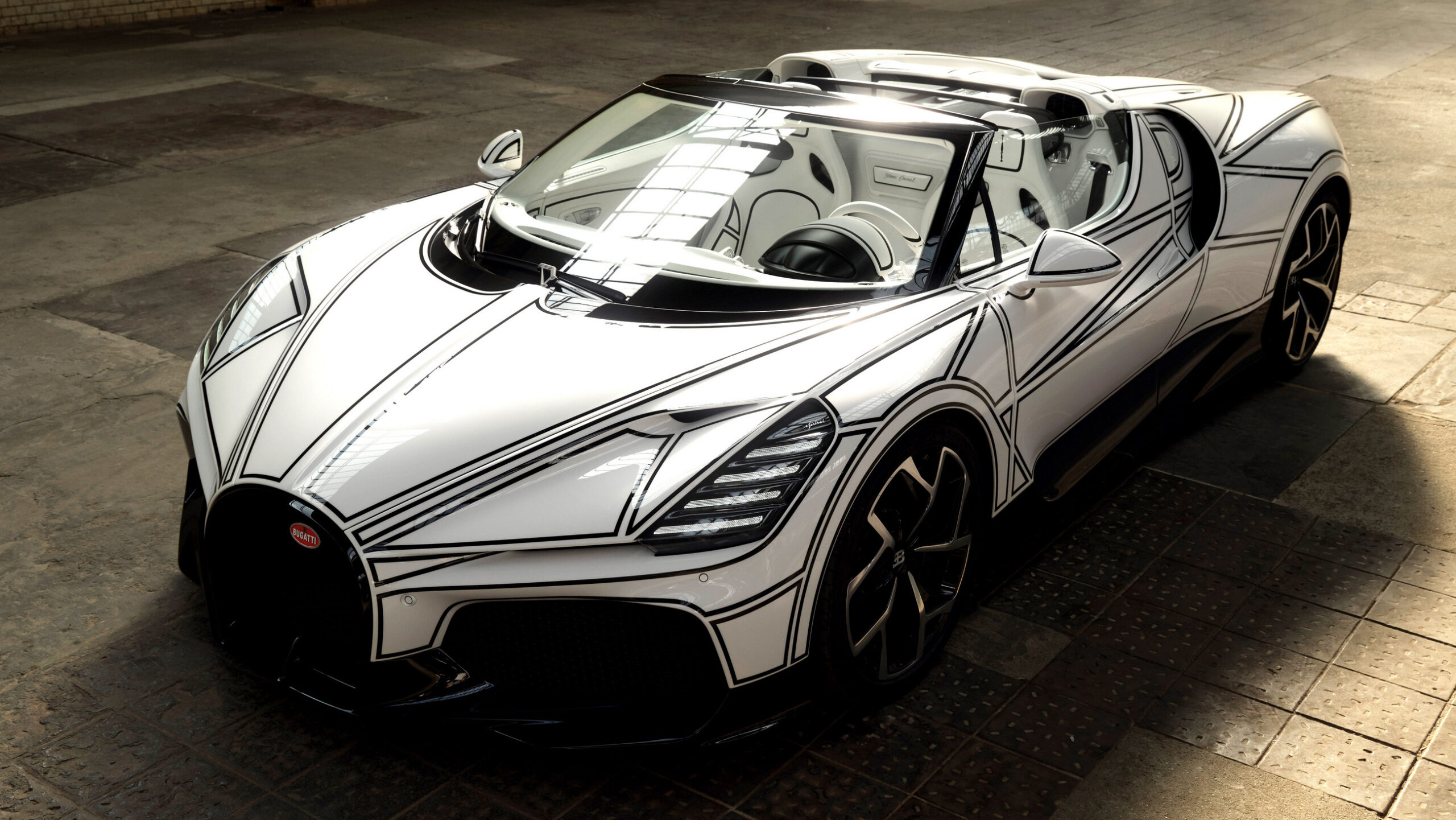
Blanc Éternel Hides Its Speed Behind a Gas Cap
Bugatti built a 261-mph roadster and made sure you'd notice the porcelain first.
From the other desks.

Gold Leaf on a Lacquer Dial, and the Weight of What That Costs
Awake's Frosted Leaf Royal Blue asks a question Vietnamese craft has never quite had to answer at this price.

ESPN Named Him. Then Unnamed Him. Nobody's Explaining the Gap.
A retraction without a reckoning is just a deleted link.

Hide My Email Has Been Showing Your Email
Apple's privacy flagship has a hole in it. They've known for over a year.