Their Fathers Watched. Their Names Will Travel.
The 2026 NBA draft class didn't just inherit talent — they inherited something harder to measure, and they're done pretending otherwise.
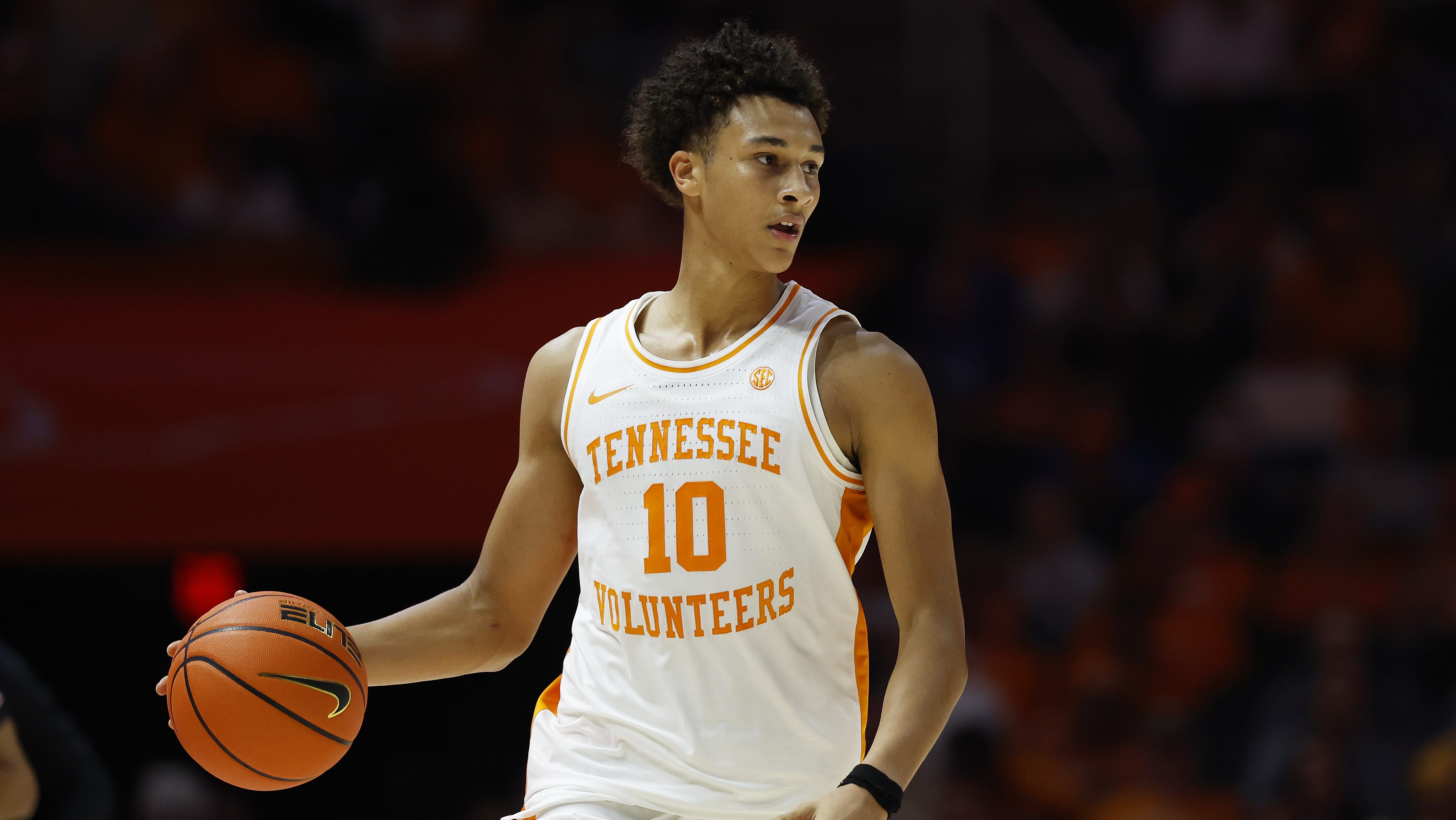
Photo · Andscape
What Gets Passed Down
Imagine the moment before your name gets called in a room full of cameras and strangers and history. You've been working toward it since before you could articulate what it was. And the thing you're thinking about — the thing that cuts through the noise — is a jersey. Specifically, the name on the back of it. Specifically, whose name that is, and what it means that it's yours.
That's where Mikel Brown Jr. is. According to Andscape's coverage ahead of the June 23 draft, the former University of Louisville guard has spoken openly about the pride he'll feel when his name appears on an NBA jersey — not just for himself, but for his family. It's a small detail in a season full of measurables and mock drafts and projected rotations. But sit with it for a second. A young man, on the verge of one of the most scrutinized professional entrances in American sport, locates his meaning in something that has nothing to do with his vertical or his three-point percentage. He finds it in a name.
That's not a coincidence. Across this draft class, it's a pattern.
The Men in the Background
Andscape's Marc J. Spears sat with top 2026 prospects and their fathers — AJ Dybantsa, Cam Boozer, Mikel Brown Jr., Kingston Flemings, and Darius Acuff Jr. among them — for a Father's Day conversation that covered presence, trust, discipline, faith, and NIL. Read that list of topics again. These aren't the questions you ask a draft prospect if you're just building a scouting report. These are the questions you ask a person.
What emerges from that coverage isn't a series of heartwarming sidebar quotes. It's evidence of something structural. These young men didn't arrive at the draft in spite of their families — they arrived through them, shaped by specific relationships with specific fathers who were present enough to leave a mark. The "Jr." in Mikel Brown Jr.'s name isn't decorative. It's load-bearing.
I keep thinking about what it takes to say that out loud, at twenty, in front of cameras, when every incentive in professional sports culture pushes you toward the mythology of the self-made. The lone wolf. The guy who outworked everyone in an empty gym at 3 a.m. while no one believed in him. That story sells. This one — my father was there, and that made me who I am — asks more of the audience.
This class seems willing to ask it.
The Best Upside in the Room
Nate Ament has his own version of this, though it arrives differently. The former University of Tennessee forward told Andscape that he believes he has the best upside in the 2026 draft class — a draft that, by multiple accounts within the coverage, is considered one of the strongest in league history. ESPN's Jeremy Woo, per Andscape's reporting, projects Ament going 10th overall to the Milwaukee Bucks.
The claim is bold. It's also worth noting that Ament made it. Not a coach, not an analyst, not a general manager hedging at a pre-draft combine. The prospect himself said it, clearly, without the usual performance of humility that gets packaged as maturity.
That's its own kind of identity statement. The willingness to say I think I'm the best in a room full of people who were all told the same thing growing up — that's not arrogance, necessarily. It might just be fluency in a language this generation has decided to speak more honestly. The hype machine has always said it about prospects. Now the prospects are saying it about themselves, and the gap between those two things is smaller than it used to be.
What Ament and Brown Jr. share, across very different stories, is a refusal to be a vessel for someone else's narrative. Brown Jr. grounds his identity in lineage. Ament stakes his in self-assessed potential. Both are forms of ownership. Both are choices about what you carry into the biggest room you've ever walked into.
What a Name Costs
There's a version of this story that gets written as soft — as athletes talking about feelings when they should be talking about basketball. I don't buy it. The version I'm watching is harder than that.
Carrying a family name into a league that will make you famous, then scrutinize everything you do with that fame, is not a light thing. It means when you fail — and you will fail, everyone does — the name fails with you, temporarily, publicly. It means the pride cuts both ways. You are not just representing yourself. You never were, but now everyone can see it.
The fathers in that Andscape conversation understood this. Presence, trust, discipline, faith. These aren't soft words. They're the architecture of someone who shows up when showing up is expensive.
On June 23, a room full of young men will hear their names called. Some of them will cry. Some will hug someone in the front row who taught them how to do this. And at least one of them will be thinking, as he runs out onto an NBA court for the first time with his name stitched across his back, that the name was always the whole story — not the destination, but the thing he was carrying the entire way there.
We should probably start paying attention to what we're carrying, too.
Keep reading sports.

ESPN Named Him. Then Unnamed Him. Nobody's Explaining the Gap.
A retraction without a reckoning is just a deleted link.

Three People Died Celebrating. FIFA Hasn't Said Their Names.
Mexico City buried three people after the World Cup crowds came through. At some point, the sport has to sit with that.

Sell the Stadium, Lose the Room
NFL franchises are rolling out the welcome mat for World Cup tourists — and the desperation is showing.
From the other desks.

800 Horsepower, One Ton of Doubt
Lamborghini built the most powerful SUV it's ever made. It's also slower than what it replaced.

Gold Leaf on a Lacquer Dial, and the Weight of What That Costs
Awake's Frosted Leaf Royal Blue asks a question Vietnamese craft has never quite had to answer at this price.

Hide My Email Has Been Showing Your Email
Apple's privacy flagship has a hole in it. They've known for over a year.